

- Bitcoin has lost more than $1 trillion in value as investors focus on AI stocks and major IPOs.
- The rise of spot Bitcoin ETFs has made BTC trade more like a traditional risk asset.
- Some investors believe Bitcoin’s weakness reflects a shift in liquidity rather than a permanent decline in long-term value.
The financial markets of 2026 have been defined by one thing above all else: concentration. Investors have piled into a relatively small group of companies tied to artificial intelligence, pushing major stock indexes to fresh record highs while leaving many other assets struggling to keep pace.
The Nasdaq and S&P 500 continue climbing as money pours into AI infrastructure, semiconductor manufacturers, memory producers, cloud providers, and the technology giants spending billions to dominate the next phase of innovation. Adding fuel to the excitement, SpaceX is preparing for what could become the largest IPO in market history. With so much attention focused on a handful of themes, it’s no surprise that some former market favorites have been left behind.
Bitcoin is one of them.
The world’s largest cryptocurrency has fallen more than 40% over the past twelve months and roughly 28% since the start of the year. Trading near $62,000, Bitcoin remains dramatically below its record high of around $126,000 reached last spring. In less than a year, more than $1 trillion in market value has disappeared.
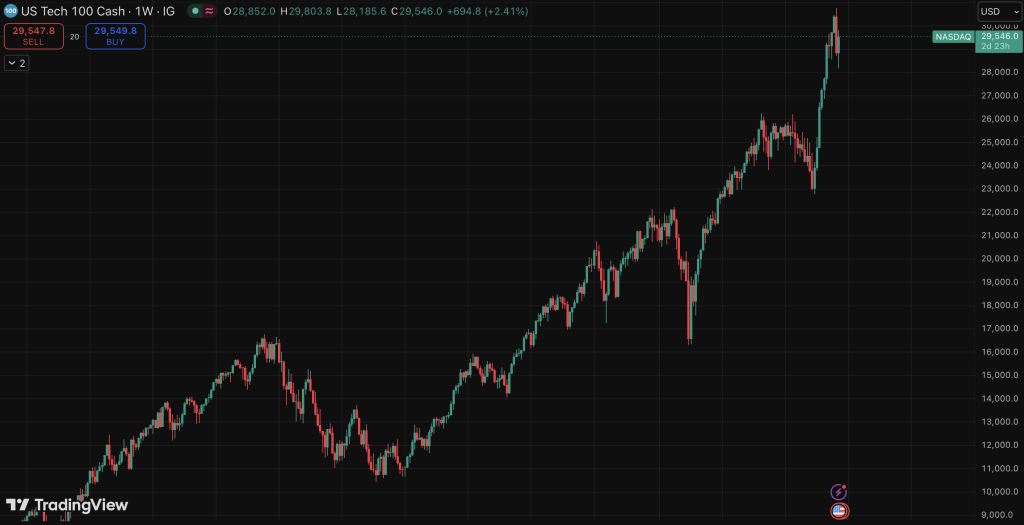
Liquidity Is Following the Hottest Story
Bitcoin’s fixed supply has always been one of its defining characteristics. Only 21 million coins will ever exist, and that number isn’t changing. Because supply remains largely static, Bitcoin’s price depends heavily on demand. And demand, more often than not, follows money.
Right now, money is chasing AI.
Investors tend to gravitate toward the strongest narrative in the market, and artificial intelligence has become the dominant story of 2026. Whether it’s chipmakers building the hardware, software firms creating new tools, or companies positioning themselves to benefit from the AI economy, capital continues flowing in that direction.
The upcoming SpaceX listing may only intensify that trend. Large IPOs often absorb enormous amounts of liquidity as investors reallocate capital to participate in what they perceive as the next major opportunity. Every dollar flowing toward AI-related assets is a dollar that isn’t flowing into Bitcoin, at least for the moment.
Bitcoin Trades More Like a Risk Asset Than Ever
The cryptocurrency market has changed significantly over the past several years. The launch of spot Bitcoin ETFs opened the door for a broader range of institutional investors, making Bitcoin easier to access than ever before.
That increased accessibility has come with a tradeoff.
Rather than operating as a completely separate asset class, Bitcoin now behaves much more like a traditional risk asset. When liquidity is abundant and investors feel confident, Bitcoin tends to perform well. When financial conditions tighten and interest rates remain elevated, speculative assets often struggle.
Markets are currently grappling with the possibility that rates could stay higher for longer. As a result, the easy-money environment that previously fueled explosive crypto rallies has become harder to find. Bitcoin is feeling the effects of that shift.
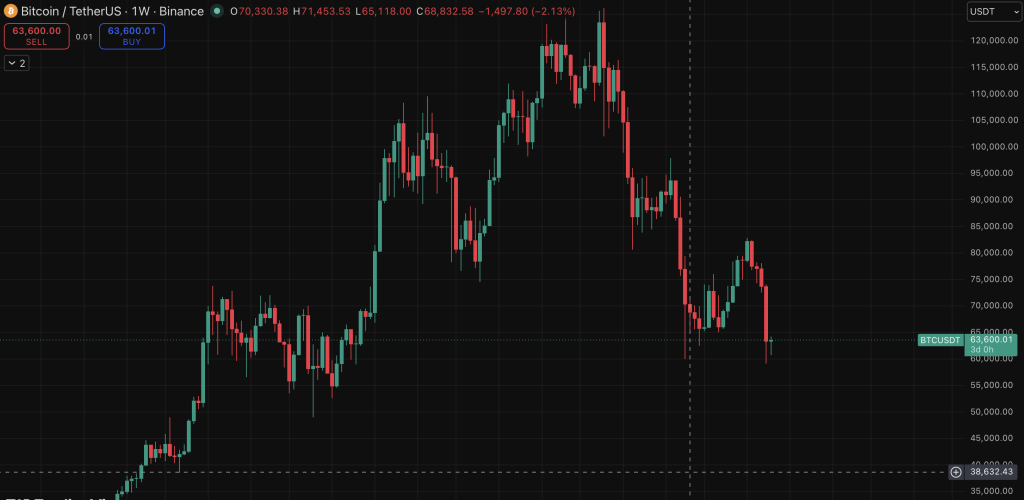
It Isn’t Just Bitcoin
While Bitcoin’s decline has attracted headlines, it isn’t the only asset facing challenges. Traditional safe havens such as gold and silver have also cooled after strong runs. Many smaller publicly traded companies with solid businesses and healthy fundamentals have similarly drifted lower or moved sideways.
The common thread isn’t necessarily deteriorating quality. It’s attention.
When investors become obsessed with a single theme, capital often clusters around a narrow group of winners. Assets outside that spotlight can be overlooked for extended periods, regardless of their underlying value. That dynamic has become one of the defining characteristics of this year’s market environment.
Price and value don’t always move together in the short term. Sometimes they diverge for months.
The Risks Around Bitcoin Remain
None of this means Bitcoin should be viewed as a defensive or low-risk investment. Far from it.
The asset still faces several unresolved questions. Regulators around the world continue debating how digital assets should be governed. Central bank policy remains a major influence on liquidity conditions. Investors are still divided over whether Bitcoin will ultimately establish itself as a lasting store of value or remain primarily a speculative asset.
Those debates are ongoing, and their outcomes will play a significant role in shaping Bitcoin’s future.
History Suggests Volatility Comes With the Territory
One thing Bitcoin investors know well is volatility. The cryptocurrency has endured multiple drawdowns exceeding 50% throughout its history, and each downturn has been accompanied by predictions that the asset’s best days were behind it.
Yet time and again, Bitcoin has recovered and gone on to establish new highs.
That doesn’t guarantee the same outcome this time. Markets never owe investors a repeat performance. Still, history serves as a reminder that sharp corrections have been a recurring feature of Bitcoin’s journey rather than an exception.
For now, AI stocks and high-profile public offerings are commanding most of the market’s attention. Bitcoin has slipped into the background, overshadowed by newer narratives and stronger momentum elsewhere. But liquidity rarely stays in one place forever.
Eventually, capital rotates. When enthusiasm around today’s hottest trades begins to cool, investors may start searching for opportunities in the assets left behind. Whether Bitcoin becomes one of those opportunities remains uncertain, but market history suggests that yesterday’s forgotten asset can sometimes become tomorrow’s headline once again.