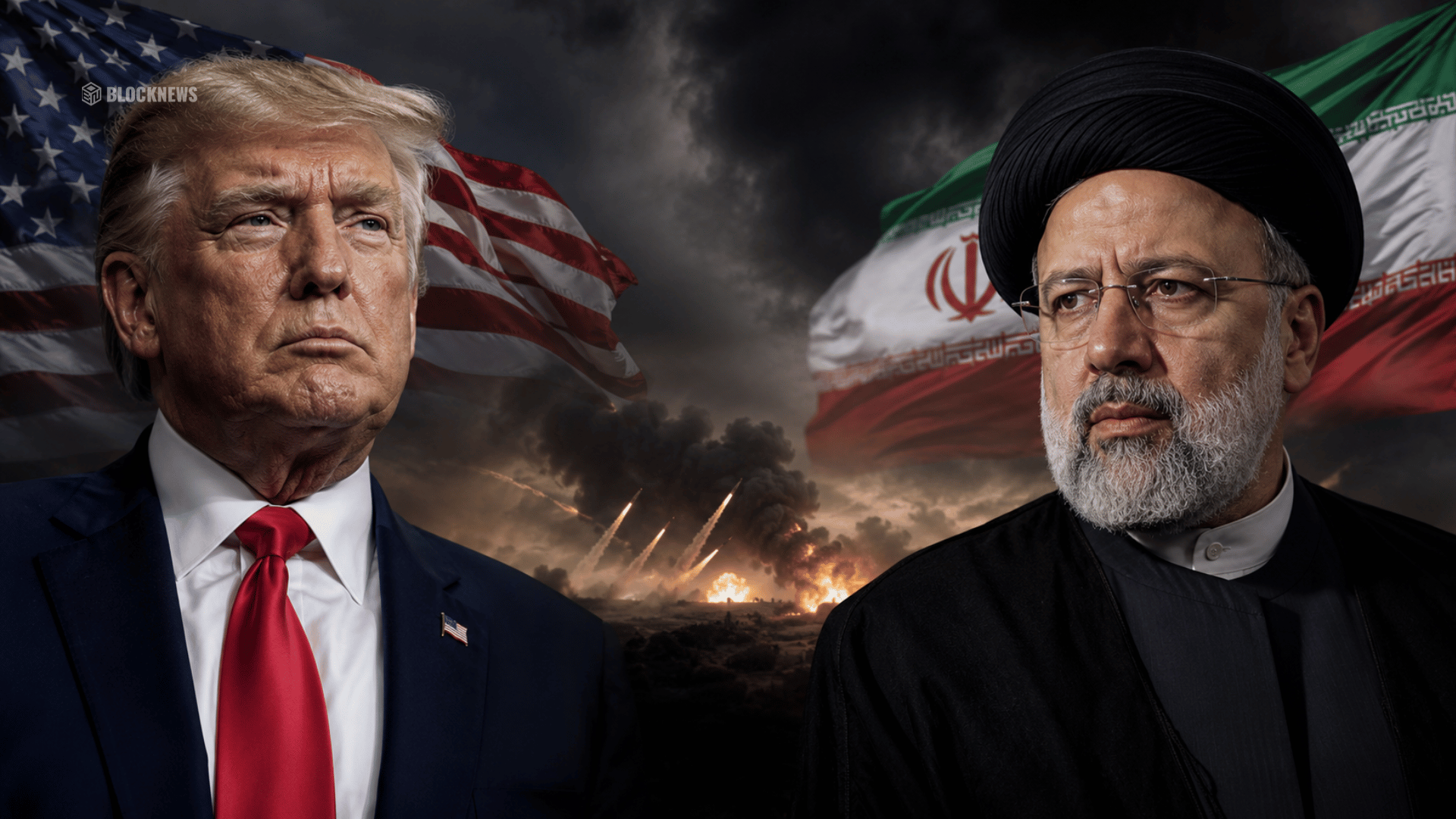
- The U.S. launched another round of military strikes against targets inside Iran on Wednesday.
- President Trump warned Iran would “pay the price” following attacks on U.S. assets in the Middle East.
- Rising geopolitical tensions are increasing concerns about energy markets, inflation, and risk assets including crypto.
The conflict between the United States and Iran escalated further on Wednesday after U.S. Central Command confirmed a new wave of military strikes against multiple targets inside Iran. The operation follows several days of rising tensions that began after Iranian forces allegedly targeted U.S. military assets and shot down an American Army helicopter near the Strait of Hormuz.
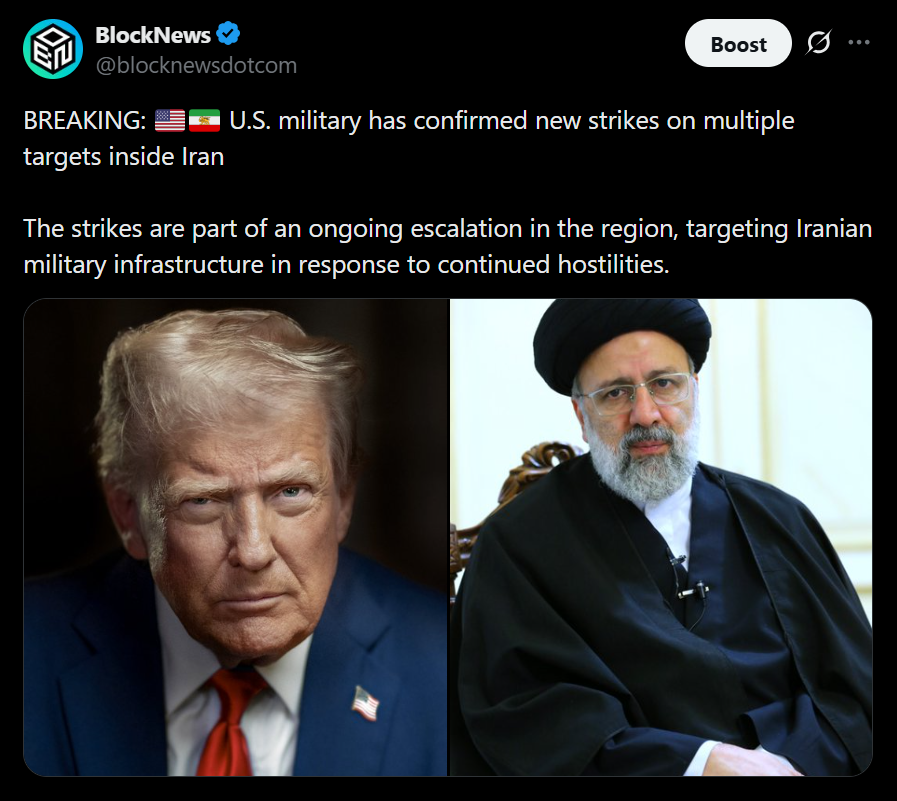
According to CENTCOM, the latest attacks were launched under orders from President Donald Trump and were described as “self-defense strikes” responding to what the military called continued Iranian aggression. The development marks another dangerous step in a confrontation that has already rattled global markets and raised fears of a broader regional conflict.
The Latest Round of Strikes
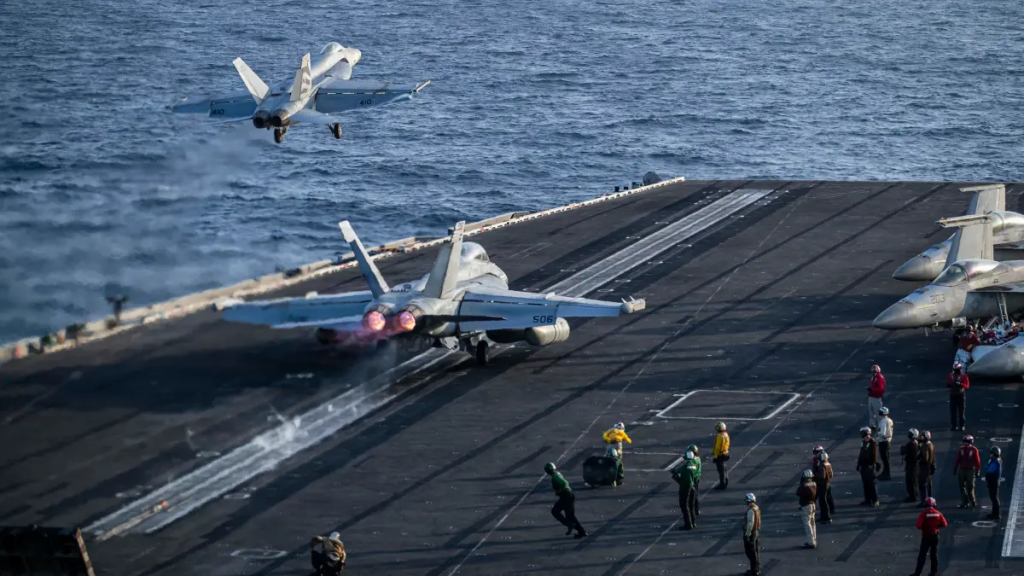
U.S. Central Command announced that military operations began at approximately 5:15 p.m. ET, targeting multiple locations inside Iran. While officials have not yet released detailed information regarding the specific sites struck, military leaders described the operation as a direct response to recent attacks against American personnel and assets.
The strikes come just one day after an earlier U.S. operation targeting Iranian military infrastructure. That initial response followed the downing of a U.S. Army Apache helicopter during patrol operations near the Strait of Hormuz.
President Trump made it clear that additional military action remained on the table, stating that Iran would face consequences unless it agreed to a broader diplomatic resolution.
Trump Increases Pressure on Tehran
Speaking to reporters before the latest operation, Trump reiterated his position that Iran has delayed negotiations for too long and warned that the country would now face increasing pressure.
Administration officials also linked the military response to ongoing efforts to secure a deal that would prevent Iran from obtaining nuclear weapons. Defense Secretary Pete Hegseth echoed the President’s stance, stating that military operations would continue while diplomatic options remain available.
The White House maintains that Iran still has an opportunity to reach an agreement, but officials have simultaneously emphasized that military responses will continue if attacks on U.S. interests persist.
Energy Markets Face New Risks
The latest escalation is drawing intense attention from investors because of its potential impact on global energy supplies. The Strait of Hormuz remains one of the world’s most important shipping routes for oil and natural gas exports.
Any prolonged disruption in the region could drive energy prices significantly higher. Markets have already experienced increased volatility due to ongoing tensions, and further military exchanges could place additional pressure on fuel prices worldwide.
Rising energy costs would also complicate efforts by central banks to control inflation, creating another challenge for policymakers already dealing with economic uncertainty.
Why Crypto Investors Are Watching Closely
Cryptocurrency markets are particularly sensitive to major geopolitical events. During periods of uncertainty, investors often reduce exposure to higher-risk assets while seeking safety in cash, government bonds, or other defensive investments.
Bitcoin and the broader crypto market have already experienced volatility amid concerns surrounding inflation, interest rates, and global economic growth. An extended conflict in the Middle East could amplify those pressures by increasing energy costs and weakening investor risk appetite.
At the same time, some market participants continue to view Bitcoin as a potential hedge against geopolitical instability, creating competing narratives that could lead to heightened volatility in the weeks ahead.
The Situation Remains Highly Fluid
The latest military action underscores how quickly tensions between the United States and Iran have intensified. While both sides continue to leave the door open for diplomacy, the cycle of attacks and retaliatory strikes has increased the risk of further escalation.
For financial markets, the focus now shifts to whether military operations remain limited or expand into a broader regional confrontation. Energy traders, equity investors, and crypto participants alike will be closely monitoring developments as uncertainty continues to grow.
For now, the geopolitical backdrop remains one of the biggest variables influencing global market sentiment.