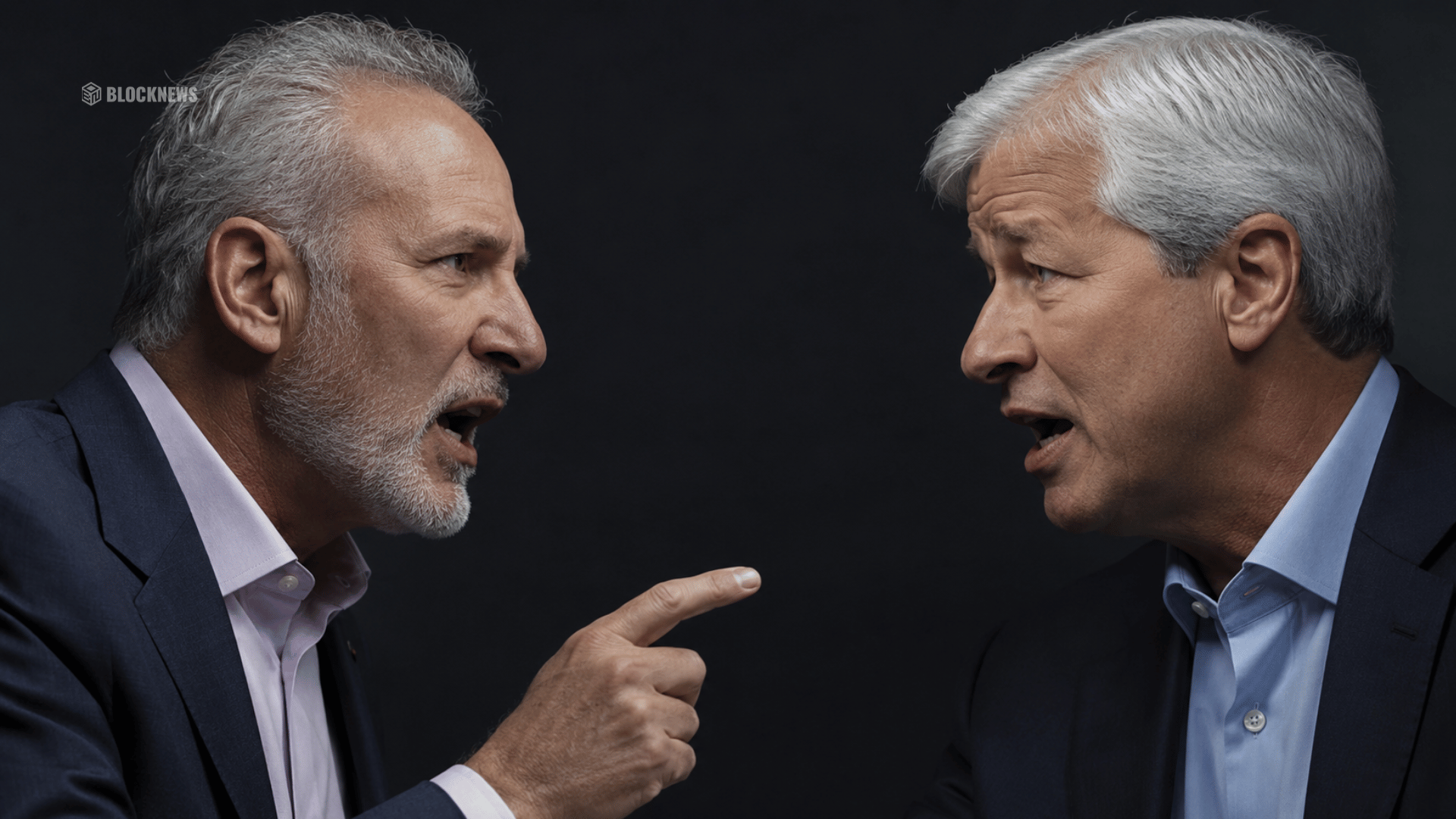
- Peter Schiff has rejected calls to regulate stablecoin issuers like traditional banks.
- The longtime Bitcoin critic argued that fully backed stablecoin providers do not carry the same risks as fractional-reserve banks.
- The debate could play a major role in shaping future U.S. crypto regulation and stablecoin legislation.
Peter Schiff is not known for defending anything connected to the cryptocurrency industry. The longtime gold advocate and vocal Bitcoin critic has spent years challenging digital assets and questioning their value proposition. That is why his latest comments on stablecoin regulation caught many market observers by surprise.

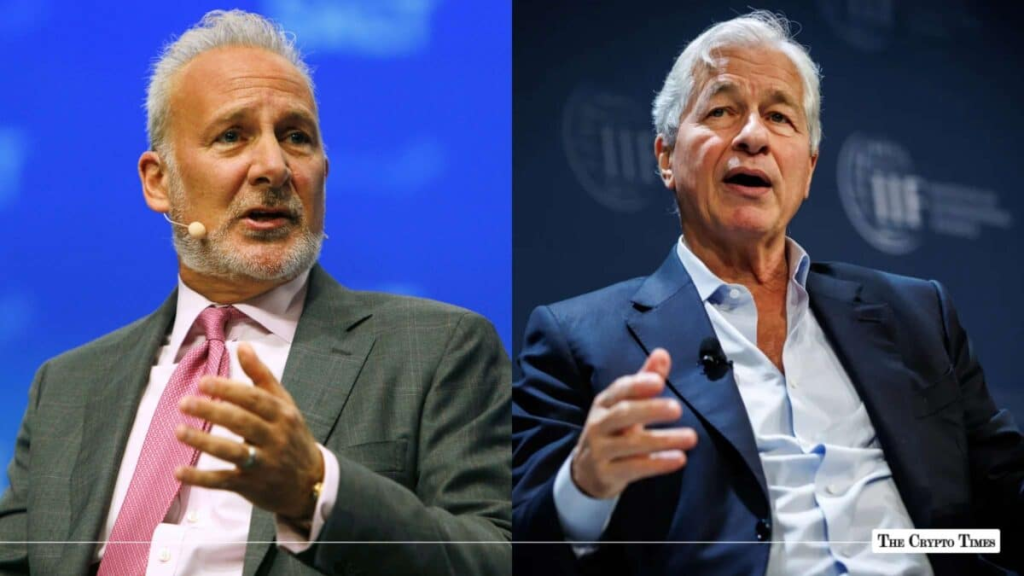
The discussion began after JPMorgan CEO Jamie Dimon renewed his argument that crypto companies offering yield-like rewards on stablecoin holdings should face the same regulatory standards as traditional banks. Dimon has repeatedly stated that if firms are effectively accepting deposits and paying returns, they should be subject to bank-level capital requirements, liquidity standards, anti-money laundering obligations, and other compliance measures.
Schiff Pushes Back Against Bank-Style Regulation
In a post on X, Schiff dismissed the idea that stablecoin issuers should automatically be regulated as banks. He argued that the comparison ignores a fundamental difference in how the two business models operate.
According to Schiff, traditional banks function through a fractional-reserve system, lending out a significant portion of customer deposits while maintaining only a fraction of those funds in reserve. That model creates risks that justify strict regulatory oversight and capital requirements. Stablecoin issuers that maintain full reserves in cash or short-term U.S. Treasury securities, on the other hand, do not engage in the same lending activities and therefore do not pose identical risks.
His position suggests that applying banking regulations to fully backed stablecoin providers would be an unnecessary and potentially harmful approach.
An Unusual Alliance With Crypto Advocates
What makes Schiff‘s comments particularly noteworthy is how closely they align with arguments made by many crypto industry participants. For years, stablecoin issuers and blockchain advocates have argued that stablecoins represent a unique financial product that requires a specialized regulatory framework rather than a direct application of existing banking laws.
The industry’s position has generally been that stablecoins should be regulated according to their specific structure and risk profile. Schiff’s remarks echo that view, despite his long history of criticizing cryptocurrencies.
Similar arguments have also surfaced within government circles. Earlier this year, White House advisers reportedly pushed back against proposals that would automatically classify stablecoin issuers as banks, emphasizing the distinction between lending institutions and reserve-backed payment providers.
Why the Stablecoin Debate Matters
The outcome of this debate could have significant implications for the future of the U.S. digital asset industry. If stablecoin issuers are forced to comply with the same requirements as banks, the resulting compliance costs could create substantial barriers for new entrants and potentially slow innovation.
Conversely, a tailored regulatory framework could encourage greater institutional participation while allowing the sector to develop within a clear set of rules. Supporters argue that such an approach would strengthen America’s competitiveness in digital finance while maintaining appropriate consumer protections.
Schiff’s intervention may not change the regulatory landscape overnight, but it adds an unexpected voice to one of the most important policy discussions facing the crypto industry today. Whether lawmakers ultimately adopt a bespoke framework or pursue stricter bank-style oversight remains one of the biggest unanswered questions in U.S. crypto regulation.