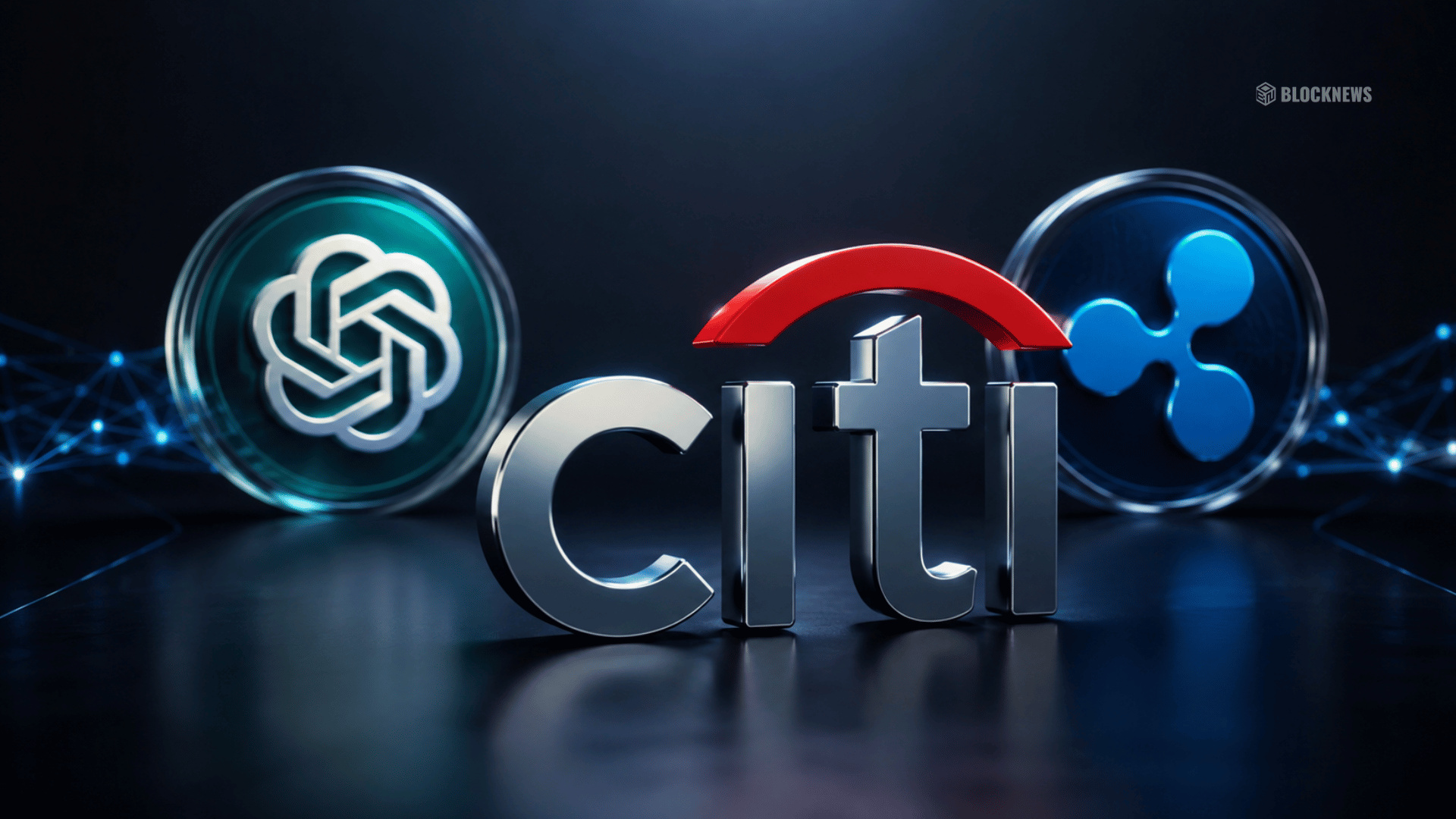
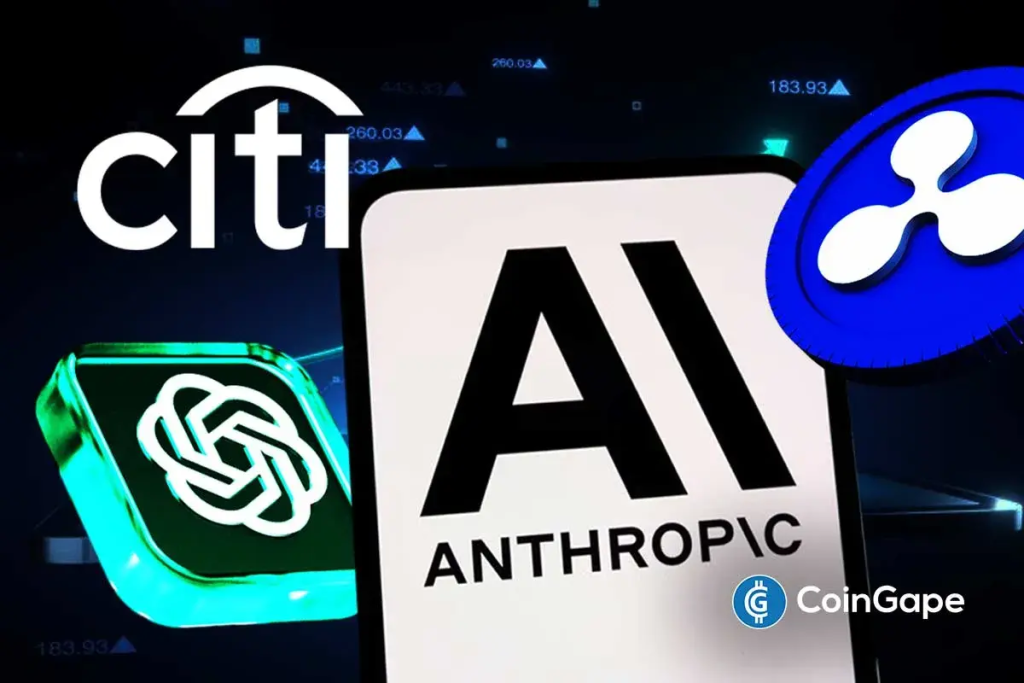
- Citigroup plans to launch tokenized shares of major private companies, including firms such as OpenAI, Anthropic, and Ripple.
- The offering would allow institutional investors to gain blockchain-based exposure to private companies before IPOs.
- The move highlights the growing race among Wall Street firms to bring traditional assets onto blockchain networks.
Wall Street’s tokenization push just took another major step forward. Citigroup is reportedly preparing to launch tokenized shares of private companies, allowing institutional and wealthy clients to gain exposure to some of the world’s most sought-after private firms through blockchain-based infrastructure.
The initiative comes at a time when investor demand for pre-IPO opportunities is surging. Companies such as OpenAI, Anthropic, Ripple, and SpaceX continue attracting enormous interest from investors looking to participate in their growth before they eventually enter public markets.
If successful, Citi’s latest venture could become one of the most significant examples yet of traditional finance embracing blockchain technology.
Bringing Private Markets On-Chain
According to reports, Citigroup is developing a framework that would enable clients to trade blockchain-based representations of shares in private companies. The bank is already holding discussions with some of the largest private firms as it builds out the offering.
The concept is designed to solve a long-standing challenge in investing. Access to private companies has traditionally been limited to venture capital firms, private equity funds, and select institutional investors. Tokenization could create a more efficient framework for transferring and managing ownership interests while improving accessibility for qualified investors.
Citigroup’s Head of Enterprise Digital Assets, Artem Korenyuk, described the vision as placing private company shares alongside traditional investments in a more seamless digital environment.
How the System Will Work
The platform will reportedly operate through depositary receipts, a familiar financial structure already used in global markets. Banks issue these securities to represent ownership interests in companies, while also serving as custodians for the underlying assets.
In this case, Citigroup would issue tokenized representations of those receipts on blockchain infrastructure. Investors would effectively gain exposure to private company shares while benefiting from the efficiencies associated with digital asset technology.
Initially, the service is expected to be available only to non-U.S. investors, although the bank reportedly plans to expand access to American investors at a later stage.
Why OpenAI and Ripple Matter
Interest in private company exposure has intensified as several high-profile firms continue delaying public offerings. OpenAI remains one of the most closely watched examples, especially after CEO Sam Altman recently suggested that an IPO could eventually happen but is not an immediate priority.
Ripple is another name attracting significant attention as investors continue monitoring developments around blockchain adoption, tokenization, and regulatory clarity in the United States.
For institutional investors, tokenized access to these companies could provide exposure to major growth stories without waiting for traditional IPOs.
Tokenization Is Becoming Wall Street’s Next Big Trend
Citigroup‘s move is part of a broader industry shift toward tokenization. Financial institutions increasingly view blockchain technology as a way to modernize capital markets, improve settlement processes, and unlock new investment opportunities.
The New York Stock Exchange is already exploring infrastructure for tokenized securities, while regulators continue evaluating how digital representations of traditional assets should operate within existing frameworks.
Meanwhile, banks including JPMorgan and Citi are also developing tokenized deposit systems as they respond to growing competition from stablecoins and crypto-native financial services.
The Bigger Picture
The significance of Citi’s initiative extends beyond individual private companies. It represents another step toward the convergence of traditional finance and blockchain technology.
For years, tokenization has been discussed as one of crypto’s largest long-term opportunities. By bringing assets such as private equity, stocks, bonds, and deposits onto blockchain networks, financial institutions hope to create more efficient, accessible, and transparent markets.
As demand for private company exposure continues rising, Citigroup’s latest project suggests that Wall Street is no longer asking whether tokenization will happen. The focus has shifted toward determining how quickly it can be implemented at scale.