- XRP remains far below its all-time high despite strong Ripple development
- Ripple has built one of the largest global regulatory footprints in crypto
- Upcoming US regulation could be the catalyst that shifts XRP price momentum
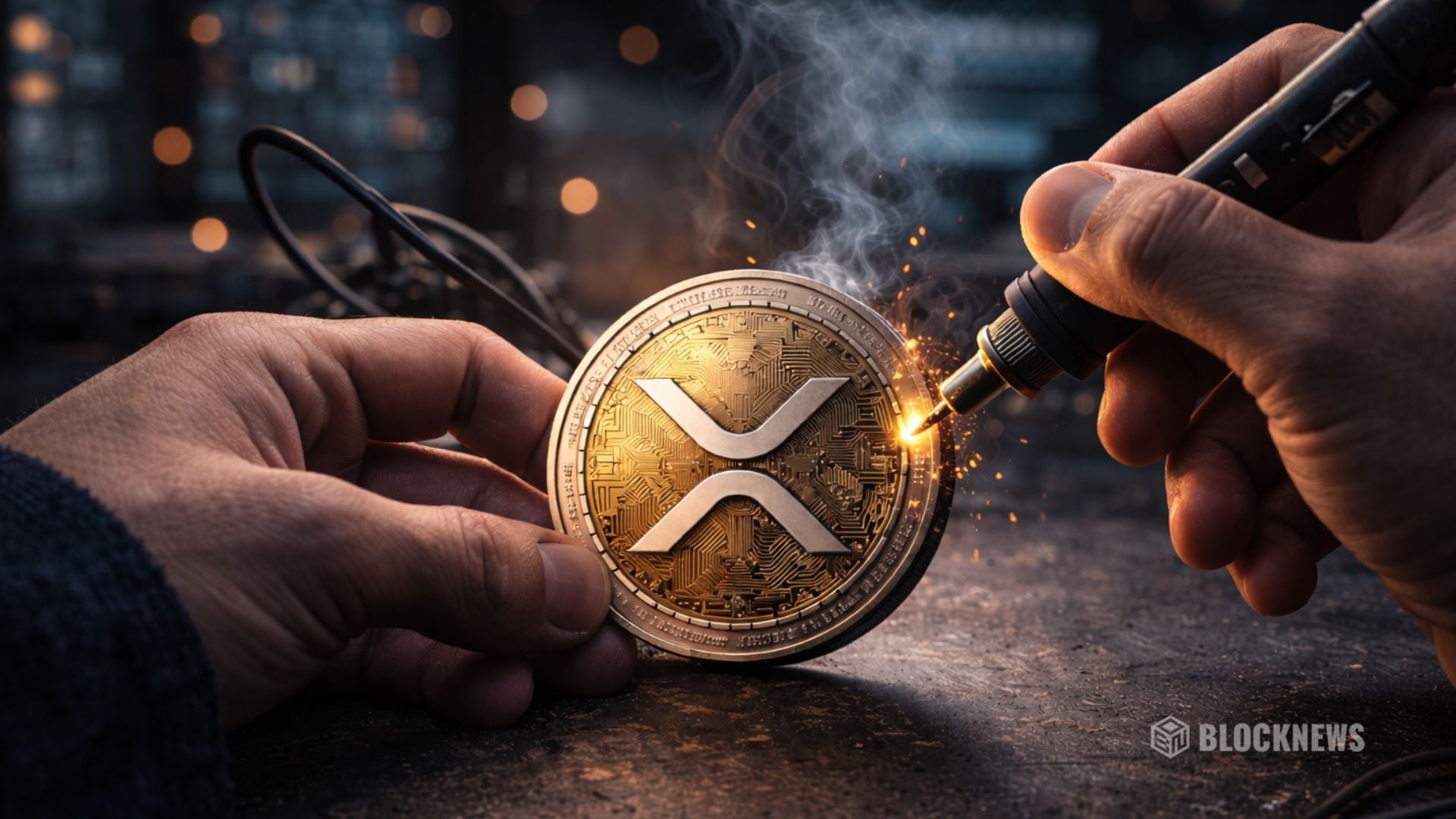
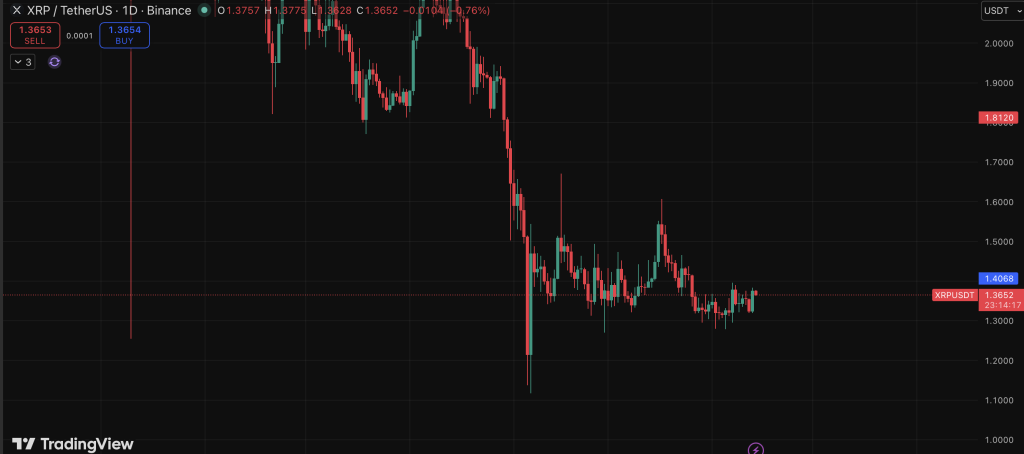
XRP is hovering around $1.33 right now, which—when you think about it—is still roughly 64% below its all-time high of $3.65 from July 2025. That kind of drop usually signals weakness, or at least slowing momentum. But here’s the strange part… while the price has been sliding for months, Ripple itself hasn’t slowed down at all. In fact, it’s been moving almost aggressively, building, expanding, checking boxes most companies don’t even get close to.
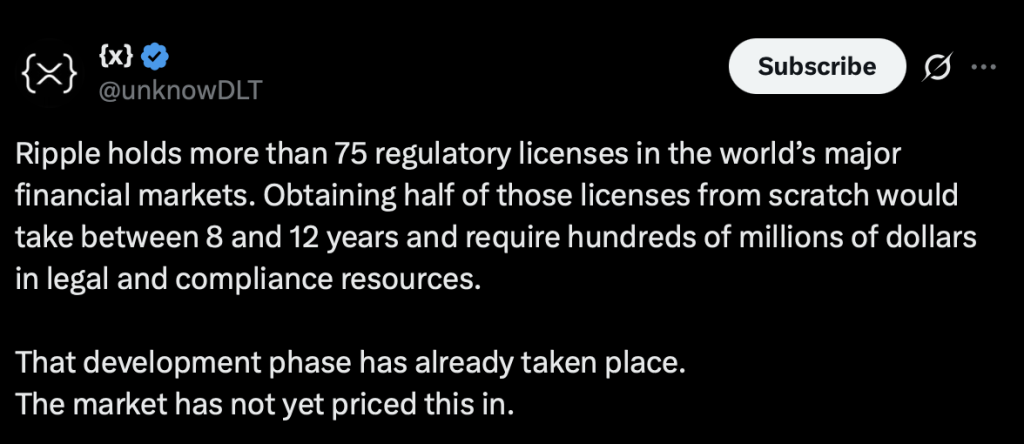
And that disconnect? It’s starting to stand out more. One crypto commentator on X pointed out something pretty simple but kind of hard to ignore—most of the real development work behind XRP might already be finished. If that’s true, then what we’re seeing now isn’t a lack of progress… it’s the market just not catching up yet.
Ripple’s Global Regulatory Footprint Is Already Built
According to that same take, Ripple now holds over 75 regulatory licenses across major financial markets. That’s not just impressive—it’s borderline unrealistic for most companies. Getting even half of that from scratch could take close to a decade, maybe more, plus hundreds of millions in legal costs. Ripple already did it. Quietly, over time.
They’ve secured approvals in key regions too, not just smaller markets. The UK, for example, granted Ripple both an Electronic Money Institution license and crypto-asset registration through the FCA. In Europe, Luxembourg approved Ripple’s EMI license, which effectively opens the door to all 27 EU countries under a single framework. That’s… huge, honestly, even if the market hasn’t reacted much yet.
Then there’s the US angle. Ripple’s acquisition of Hidden Road for $1.25 billion added institutional-grade clearing capabilities, with recognition from the DTCC’s National Securities Clearing Corporation. And maybe more interesting, the DTCC itself has referenced XRP and Ripple in patents tied to tokenized finance infrastructure. Considering the DTCC sits at the core of the US securities system, that kind of alignment feels important—maybe more than people realize.
So Why Isn’t XRP Moving?
Here’s where things get a bit frustrating, depending on how you look at it. Despite all this progress, XRP hasn’t really broken out. It keeps bumping into resistance around the mid-$1.30 range, struggling to push past $1.40 in any meaningful way. It’s like the market sees the developments… but isn’t fully convinced they translate into immediate value.
And that’s kind of the key issue. Infrastructure alone doesn’t always drive price. It needs demand—clear, consistent demand—for the token itself. Without that, even the strongest foundations can sit there… underappreciated, maybe even overlooked.
Macro Pressure and a Possible Turning Point
On top of that, the broader market hasn’t exactly been supportive. Early 2026 saw capital flowing out of crypto, driven by things like trade tensions, tariffs, and rising geopolitical risk in the Middle East. You could see it in ETF outflows, which only recently started to stabilize. XRP didn’t escape that environment—it moved with it.
But there might be something on the horizon. The CLARITY Act, expected to move through the Senate Banking Committee later in April, could change how XRP is classified in the US. If it officially becomes recognized as a digital commodity, that opens the door to ETF inflows… potentially billions. And if that happens, finally, the price might start reflecting everything Ripple has already built.