
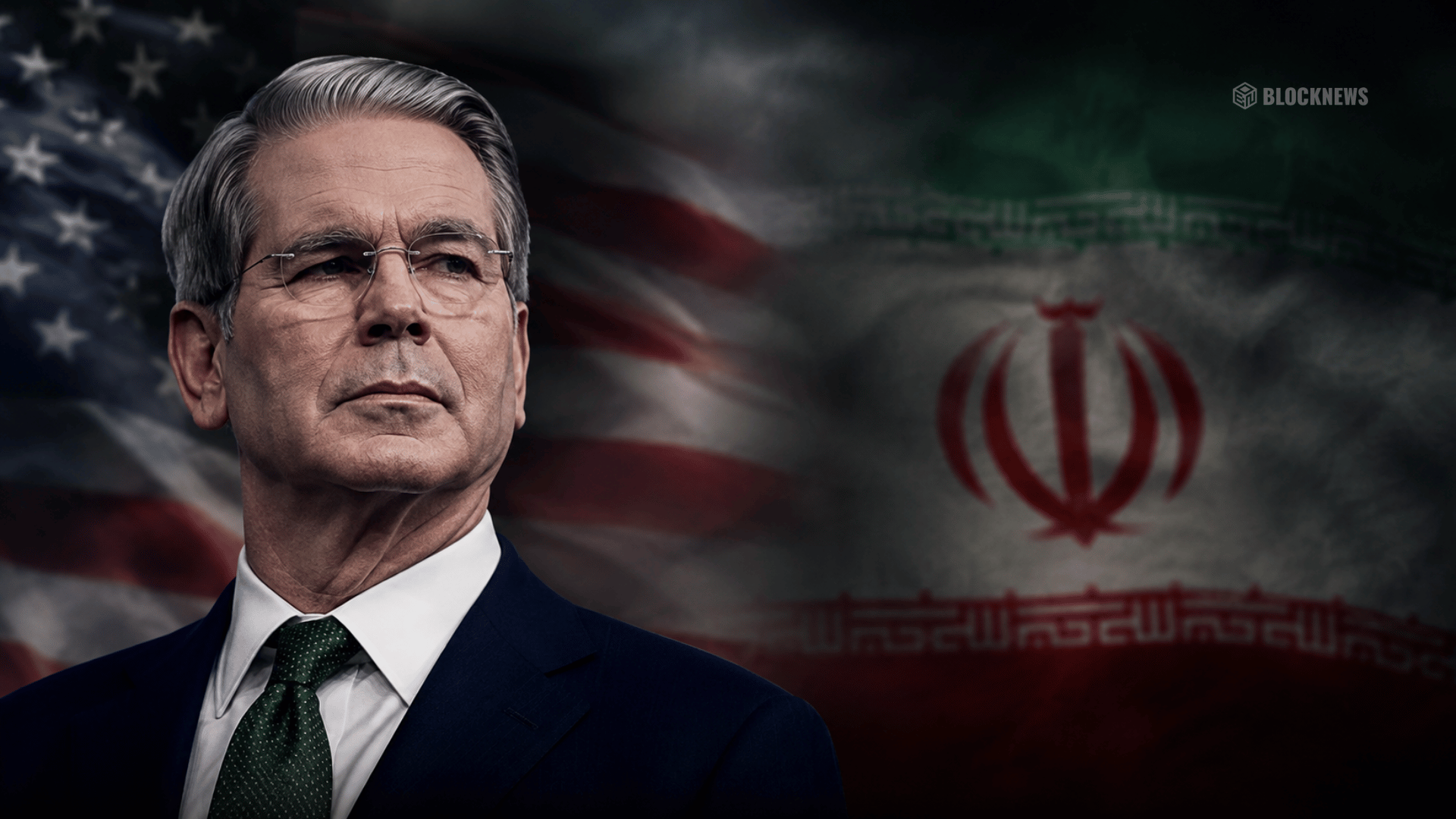
- The Trump administration is preparing new economic measures against Iran that Treasury Secretary Scott Bessent says could go beyond previous sanctions campaigns.
- Potential targets could include Chinese banks, yuan-based Iranian oil payments, shipping networks, insurers and financial intermediaries.
- Experts warn tougher economic pressure could severely damage Iran’s economy without necessarily forcing Tehran to change its policies.
President Donald Trump’s administration is preparing another major escalation in its economic campaign against Iran, with Treasury Secretary Scott Bessent signaling that new measures could be announced as early as next week.
Bessent described the coming action as part of a broader effort to economically isolate Iran, alongside continued pressure on the country’s ports and oil exports. Exactly what Washington plans hasn’t been disclosed, but the language suggests the administration could look beyond another conventional round of sanctions.
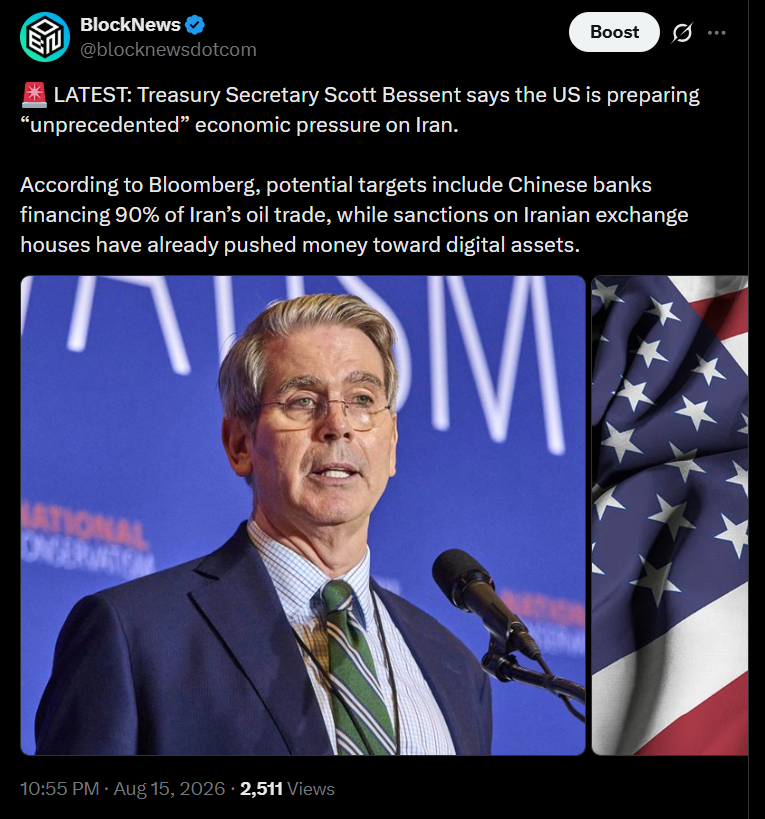
One possibility is targeting the international financial infrastructure that allows Iran to continue selling oil despite years of restrictions. That could potentially bring Chinese financial institutions, alternative payment networks and yuan-denominated transactions into sharper focus.
Chinese Banks Could Face Greater Pressure
China remains a crucial buyer of sanctioned Iranian oil, making financial institutions facilitating those transactions a potentially powerful pressure point.
Experts suggest sanctions against Chinese banks would represent a much larger escalation than targeting individual Iranian companies or independent refineries. Washington could also increase scrutiny of financial institutions that process Iranian oil payments while maintaining relationships with Western banks.
Iran has increasingly relied on payment infrastructure outside the traditional dollar system, including China’s CIPS and Russia’s SPFS networks. That makes alternative settlement systems another potential area for U.S. action.
However, directly targeting major Chinese financial institutions could carry substantial consequences for global trade and financial markets, giving Washington reason to proceed carefully.
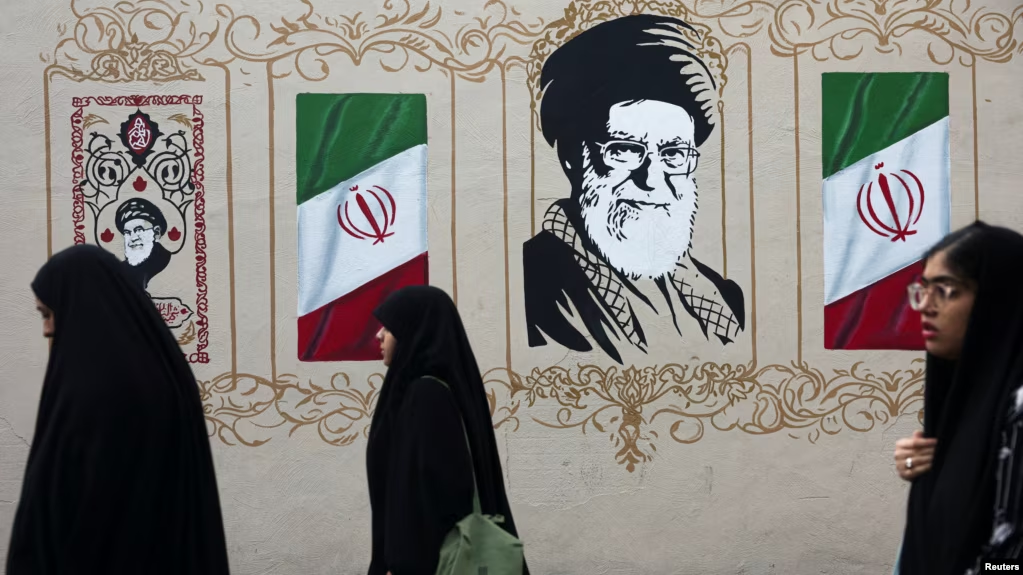
Iranian Oil Networks Could Become the Main Target
The administration could also expand its focus beyond banks.
Iranian oil moves through complicated networks involving traders, vessels, shell companies, refineries, insurers and payment intermediaries. Targeting several parts of that ecosystem simultaneously could make sanctions harder to evade.
Washington has already targeted some independent Chinese “teapot” refineries involved with Iranian oil. A broader strategy could extend restrictions to companies and financial networks supporting those operations.
Such measures could further squeeze Tehran’s access to foreign currency at a time when its economy is already facing inflation, declining energy revenue and other pressures.
Economic Pressure Comes With Major Risks
The bigger question is whether unprecedented economic pressure would actually change Iran’s political or military strategy.
Iran has operated under different forms of U.S. sanctions for decades and has developed extensive methods for circumventing restrictions. Stronger economic measures could therefore inflict substantial damage without necessarily producing the concessions Washington wants.
There is also the risk that aggressive sanctions could hurt ordinary Iranians more quickly than political leaders, while escalating pressure on Iranian oil could create higher energy and shipping costs internationally.
Bessent’s promised announcement could provide the first clear indication of how far Washington is prepared to go. If the administration begins targeting major foreign banks or the financial infrastructure supporting Iranian oil exports, it would mark a considerably more aggressive phase of U.S. economic pressure.