- TON became the second-largest NFT blockchain by trading volume in early 2026
- Telegram-integrated NFTs like usernames and digital gifts are driving massive activity
- Telegram upgraded TON infrastructure before most of its 950 million users even entered the market
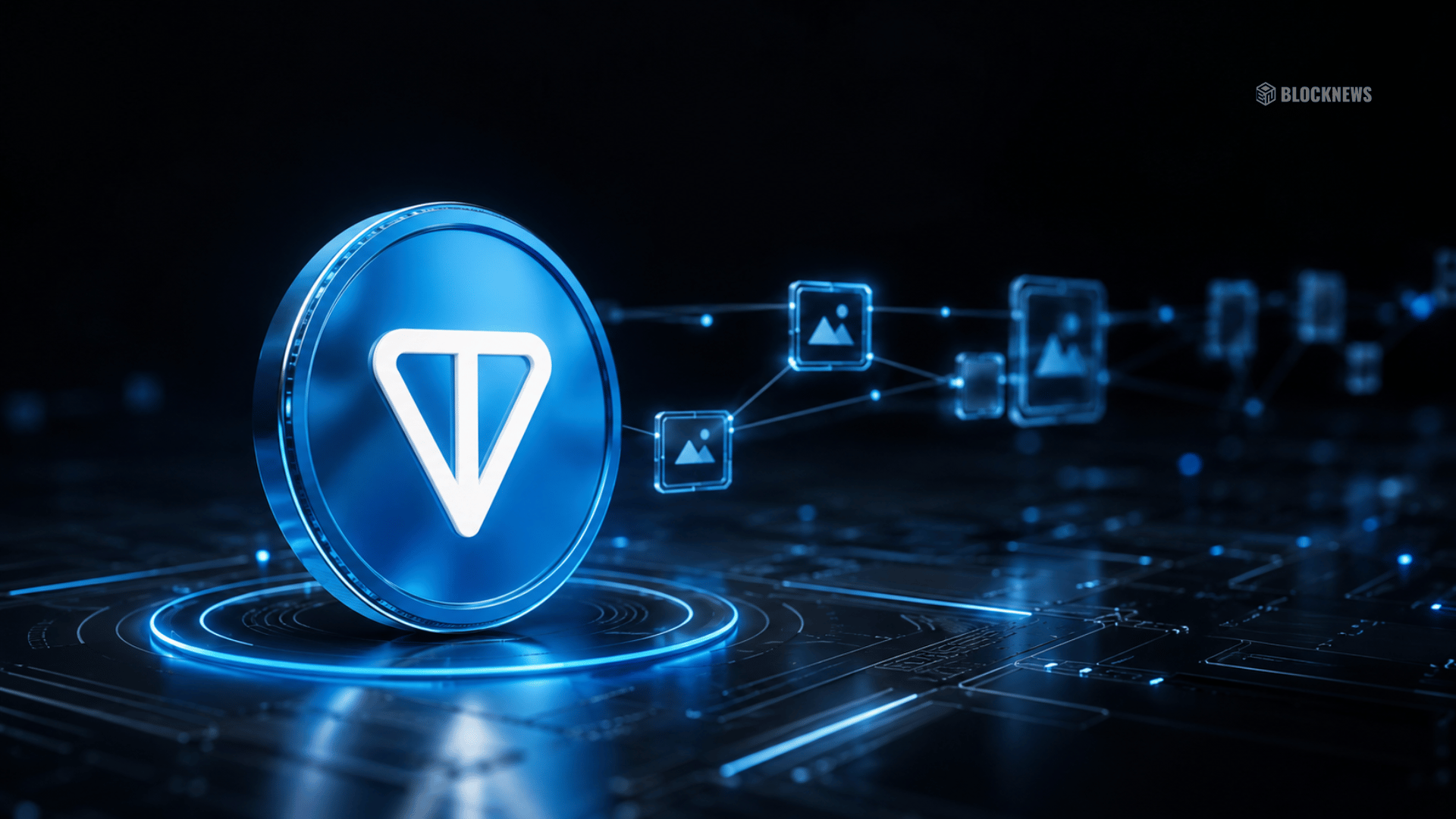
TON is quietly turning into one of the biggest NFT ecosystems in crypto, and strangely, most of the market still doesn’t seem fully aware of it yet. According to recent trading data, TON ranked as the second-largest NFT chain in early 2026, trailing only Ethereum while outperforming both Solana and Base in several key volume metrics.
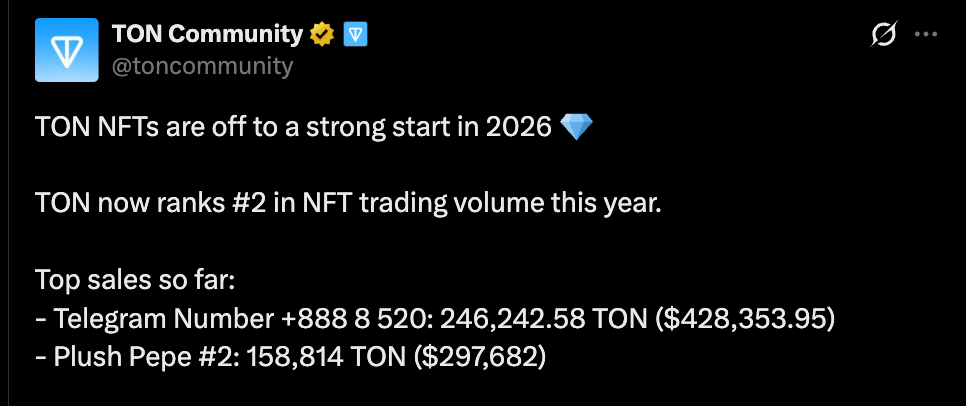
Ethereum still led overall NFT trading activity with roughly $36.7 million in volume, but TON reached around $16.3 million when combining on-chain and off-chain transactions. Pure on-chain volume alone reportedly hit $6.6 million, which was enough to surpass several chains that dominated NFT conversations just a year ago.
TON NFTs Are Functionally Different
Part of what makes TON’s growth interesting is that these NFTs don’t really behave like the speculative profile-picture mania from previous cycles. Instead, many TON-based assets are directly integrated into Telegram’s social ecosystem itself.
Users can convert digital gifts sent through Telegram chats into blockchain-based collectibles, which then function as profile badges, usernames, animated stickers, or transferable social assets. In other words, these NFTs already have built-in utility inside an app hundreds of millions of people actively use every day.
That changes the dynamic completely. Anonymous Telegram Numbers alone reportedly generated individual sales worth $428,000 and $366,000, while Plush Pepe NFTs produced nearly $3 million in trading volume by themselves.
Even Telegram usernames became surprisingly valuable. Early 2026 sales involving usernames like @trap, @nova, and @newcoin collectively totaled close to $91,000.
Telegram Is Now Fully Backing TON
The infrastructure side is becoming just as important as the collectibles themselves. In May 2026, Telegram officially took over many of the TON Foundation’s primary responsibilities through what it called the “Make TON Great Again” initiative.
As part of that transition, Telegram staked roughly 2.2 million TON and dramatically reduced transaction fees across the network, reportedly cutting costs by around six times. The company also rolled out Catchain 2.0, an upgrade designed to make the blockchain approximately 10 times faster while enabling sub-second transaction confirmations.
Those aren’t the kinds of upgrades you make unless you expect serious usage growth ahead. Telegram clearly appears to be preparing TON infrastructure for much larger traffic volumes than it currently handles.
Fragment Is Quietly Becoming A Massive Marketplace
Much of TON’s NFT activity is being driven through Fragment, Telegram’s integrated on-chain marketplace for usernames, anonymous numbers, and digital gifts. Because Fragment connects directly into Telegram’s existing social graph, users don’t really need to understand traditional NFT culture to participate.
That’s probably one of TON’s biggest advantages. Most NFT ecosystems historically relied on convincing people to join entirely new platforms and wallets from scratch. Telegram already has the users, the identity layer, the messaging network, and now increasingly, the blockchain infrastructure underneath it all.
When onboarding becomes frictionless, adoption tends to accelerate much faster than people expect.
Telegram’s User Base Could Change The Entire NFT Market
Right now, TON’s NFT ecosystem is still relatively early compared to Ethereum’s mature market. But the long-term potential becomes easier to understand once you remember Telegram reportedly serves around 950 million users globally.
Most of those users haven’t interacted with TON NFTs yet. They haven’t bought usernames, traded digital gifts, or explored Fragment marketplaces at scale.
If even a small percentage eventually starts using these blockchain-integrated social assets naturally inside Telegram, TON’s current #2 ranking may not stay temporary for very long. And honestly, this may end up looking less like an NFT comeback and more like social media quietly absorbing crypto underneath the surface.