

- Solv Protocol is migrating more than $700 million in tokenized Bitcoin assets to Chainlink CCIP.
- The move aims to strengthen cross-chain security across Corn, Berachain, Rootstock, and TAC ecosystems.
- Growing institutional participation in DeFi is pushing protocols toward more battle-tested infrastructure solutions.
Solv Protocol is making a major infrastructure shift as it moves more than $700 million worth of tokenized Bitcoin assets onto Chainlink’s Cross-Chain Interoperability Protocol, better known as CCIP. The decision comes as cross-chain security becomes one of the biggest concerns across decentralized finance, especially after a long list of bridge exploits over the past few years.
The protocol, which focuses on tokenized Bitcoin products like SolvBTC and xSolvBTC, uses these assets to allow BTC liquidity to move across multiple blockchain ecosystems. Now, instead of relying on several interoperability systems, Solv Protocol is consolidating much of that activity through Chainlink CCIP in an effort to tighten security standards and reduce systemic risk.
Solv Protocol Expands Cross-Chain Focus Across Four Networks
According to an announcement published on Solv Protocol’s official blog, Chainlink CCIP will now become the primary cross-chain routing layer for SolvBTC and xSolvBTC across four blockchain ecosystems: Corn, Berachain, Rootstock, and TAC.
The move wasn’t made casually either. Solv said the team reviewed several interoperability solutions before ultimately choosing Chainlink’s infrastructure following what it described as a deep security evaluation process.
Cross-chain bridges have become one of the weakest points in crypto infrastructure. A single exploit can spread damage across multiple connected ecosystems almost instantly, which is why larger protocols managing significant capital are becoming increasingly selective about which systems they trust.
That broader concern seems to sit at the center of Solv’s latest decision.
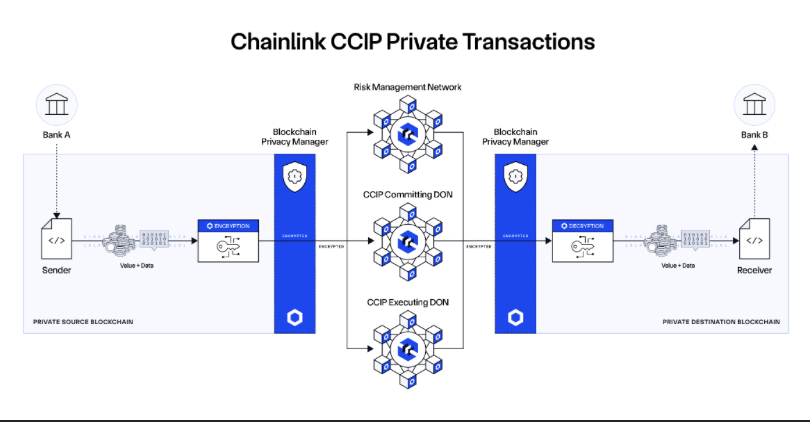
Why Chainlink CCIP Was Chosen
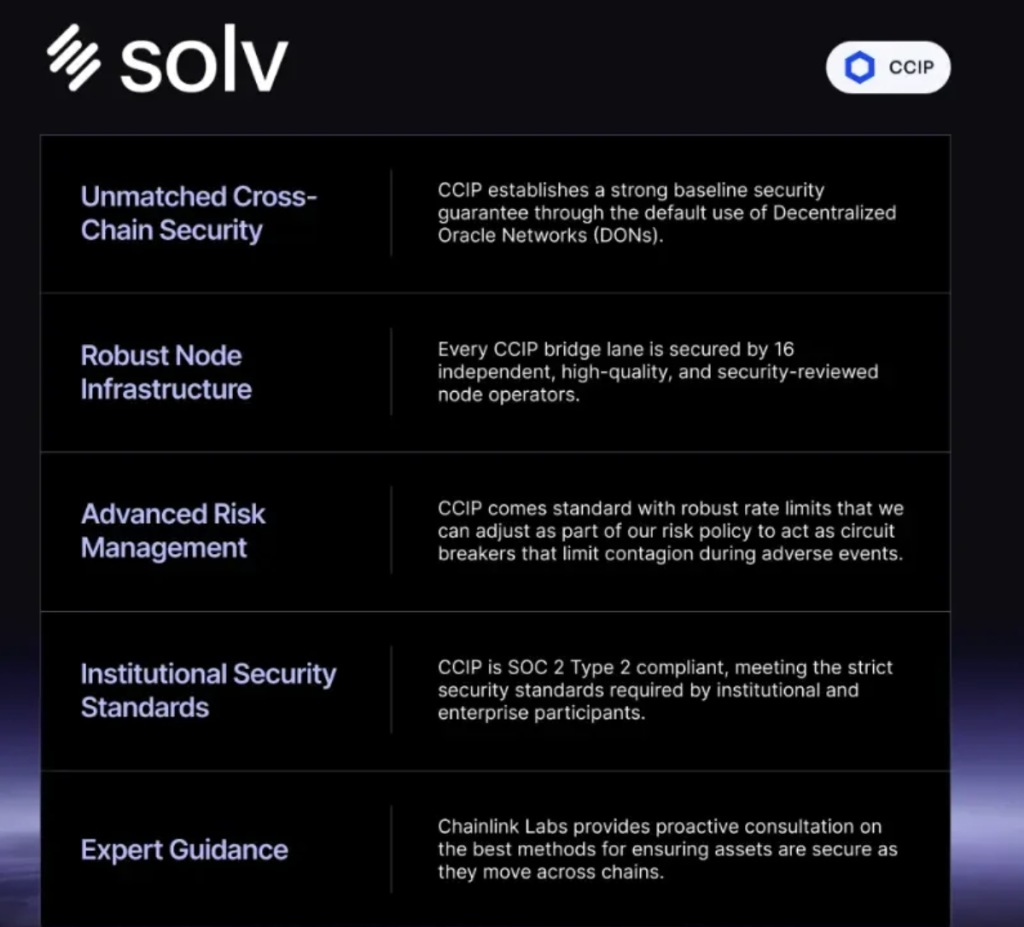
Solv Protocol highlighted several reasons for selecting Chainlink CCIP over competing alternatives. According to the team, Chainlink’s decentralized node architecture, advanced risk management systems, and institutional-grade security standards played a major role in the decision.
The protocol also pointed toward Chainlink’s reputation within both traditional finance and blockchain infrastructure. As tokenized Bitcoin products continue gaining traction across DeFi, protocols handling large pools of capital appear to be leaning more heavily toward battle-tested infrastructure rather than newer, less-proven interoperability systems.
In simple terms, Solv seems to be prioritizing stability over experimentation here, which honestly reflects a broader shift happening across crypto right now.
Institutional Standards Are Becoming More Important in DeFi
This migration also says something bigger about where the market may be heading. DeFi protocols are no longer just competing on yield or speed. Security and infrastructure reliability are starting to matter just as much, maybe even more.
As more institutional participants explore tokenized assets and Bitcoin-based financial products, the pressure to maintain enterprise-level security standards keeps increasing. A major exploit involving tokenized BTC liquidity could ripple through multiple ecosystems very quickly, and protocols managing large reserves clearly understand that risk now.
Solv Protocol’s decision to move over $700 million in assets onto Chainlink CCIP reflects that growing reality. Instead of chasing newer interoperability experiments, larger platforms appear increasingly focused on reducing attack surfaces and building around systems that have already earned broader market trust.
At the same time, this also strengthens Chainlink’s position as one of the dominant infrastructure providers within cross-chain crypto activity, especially as tokenized real-world assets and Bitcoin liquidity continue expanding deeper into decentralized finance.