- Solana dropped from nearly $295 to around $85 amid macro pressure
- High speed and growing developer activity continue to support its long-term case
- Partnerships and ETFs could drive stronger adoption in future market cycles
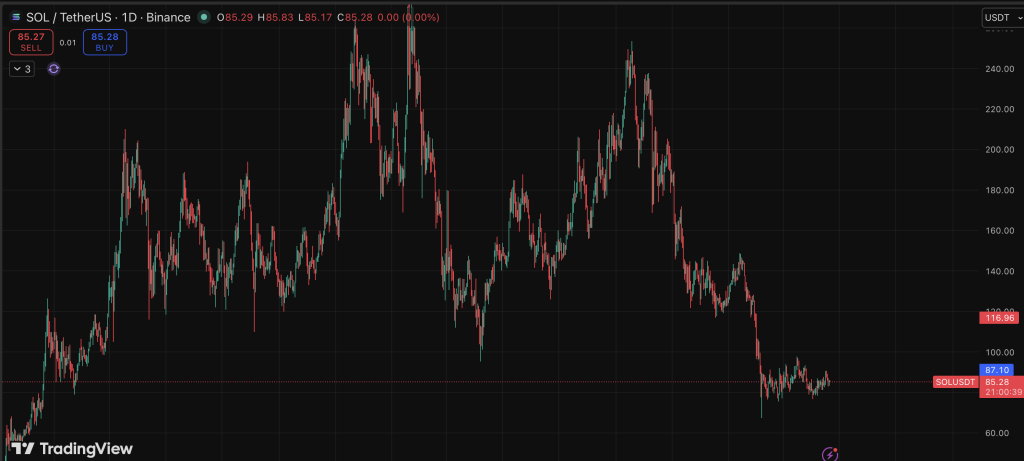
Solana had its moment. Back in January, it pushed close to $295—fast, aggressive, almost unstoppable. Now? It’s sitting around $85. Quite a drop, honestly.
But that’s not unusual in crypto. Higher interest rates, global tensions, shifting macro conditions… all of that pushed investors away from risk. Solana didn’t escape that wave. Few assets did.
Still, here’s the thing—it didn’t lose its relevance. Not really.
What Makes Solana Different
At its core, Solana works differently from Bitcoin. Bitcoin runs on proof-of-work, while Solana uses proof-of-stake, similar to Ethereum. That alone isn’t unique, but what Solana added on top of it kind of is.
It uses something called proof-of-history. Sounds technical, but the idea is simple—it timestamps transactions before validating them. That small twist speeds things up… a lot.
And speed matters. In a space where users don’t like waiting (who does?), faster networks tend to win attention.
Speed Is Where Solana Stands Out
Right now, Solana can process roughly 1,200 transactions per second. Ethereum? Around 24 on its base layer. That’s not a small gap—it’s massive.
Even the theoretical limits tell a story. Solana aims for up to 65,000 TPS, while Ethereum sits far lower. Of course, theory isn’t reality, but it still shows intent.
That performance has pulled in developers pretty quickly. By late 2025, Solana had over 17,000 active developers. Not quite Ethereum’s level, but still… second place isn’t nothing.

Developers, Partnerships, and Real Usage
What really keeps Solana interesting isn’t just speed—it’s activity. Developers are building on it, and big names are paying attention.
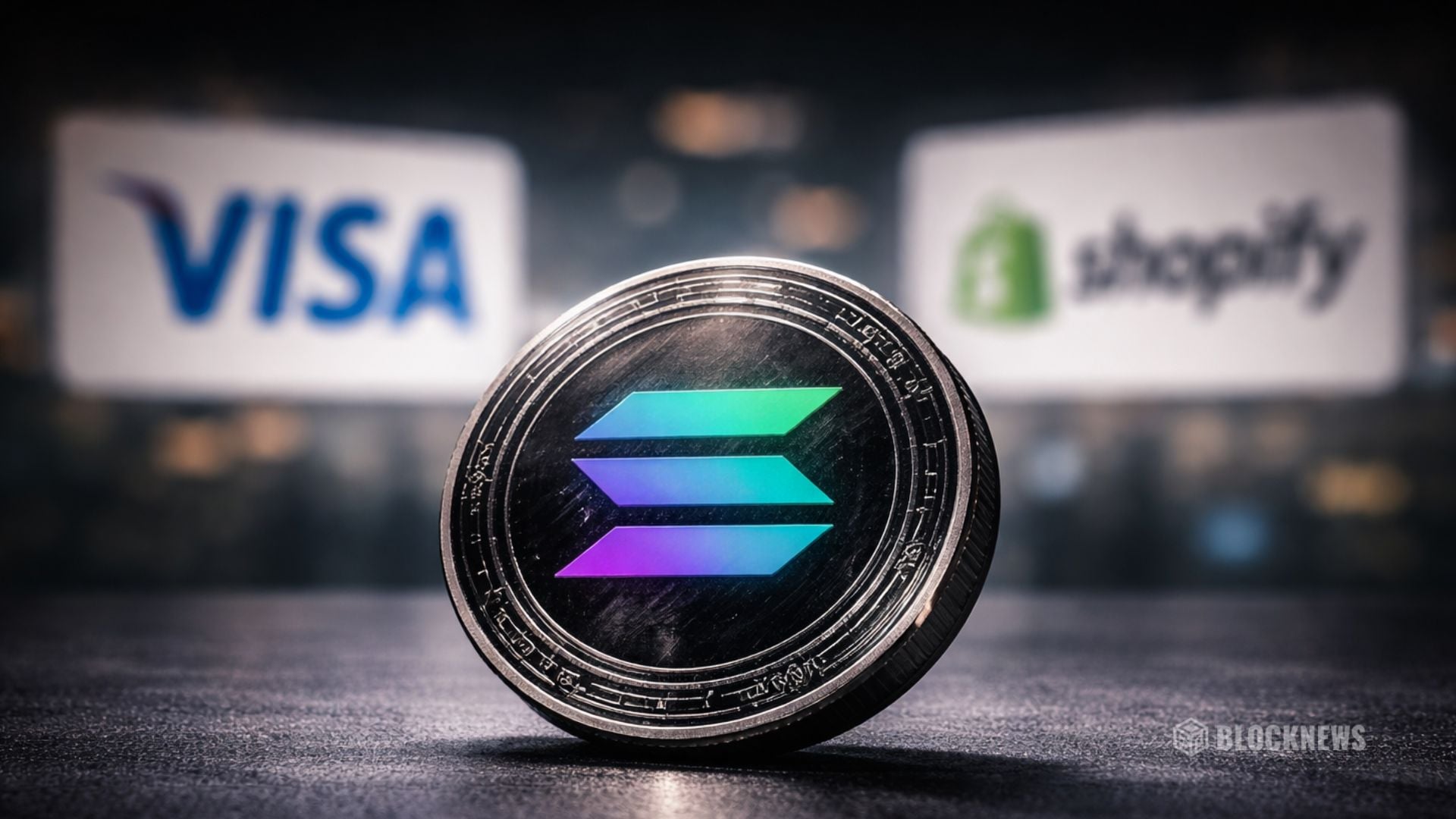
Visa, for example, uses Solana for stablecoin settlements. Shopify integrated Solana Pay to handle crypto payments. These aren’t experimental partnerships—they’re real-world use cases.
Then there’s the ecosystem expansion. Solana even launched its own crypto-focused phones—Saga and Seeker. That’s a different kind of bet, aiming to bring blockchain directly into consumer hardware.
New Products Could Pull In More Capital
Another piece of the puzzle is investment access. Solana spot ETFs with staking features launched recently, opening the door for both retail and institutional money.
That matters more than people think. Easier access tends to bring more liquidity, and more liquidity… usually leads to stronger price cycles over time.
It’s not immediate. But it builds pressure underneath.
Big Potential, But Not Without Risk
So yes, Solana has dropped. A lot. But the foundation? Still there.
If the broader crypto market picks up again—and it probably will at some point—Solana has enough going on to ride that wave. Maybe even outperform bigger names like Bitcoin or Ethereum in percentage terms.
That said, it won’t be smooth. It never is. There will be pullbacks, fakeouts, moments where it looks like it’s done… and then it isn’t.
For patient investors, though, that volatility might be part of the opportunity.