- Major institutions like Mastercard and BlackRock are exploring the XRP Ledger
- Real-world asset activity on XRPL has surged 875%, nearing $2.5 billion
- Global adoption is expanding, with real-use cases emerging beyond experimentation
Something’s shifting in the background of crypto—and it’s not loud, not flashy, but you can feel it. Big institutions are starting to move in, not just looking anymore, but actually testing things out. Names like Mastercard, BlackRock, and Franklin Templeton are now exploring the XRP Ledger as part of their broader digital asset strategies.
That alone says a lot.
Because for years, this space was mostly speculation. Now… it’s starting to look like infrastructure.
DeFi Isn’t Experimental Anymore
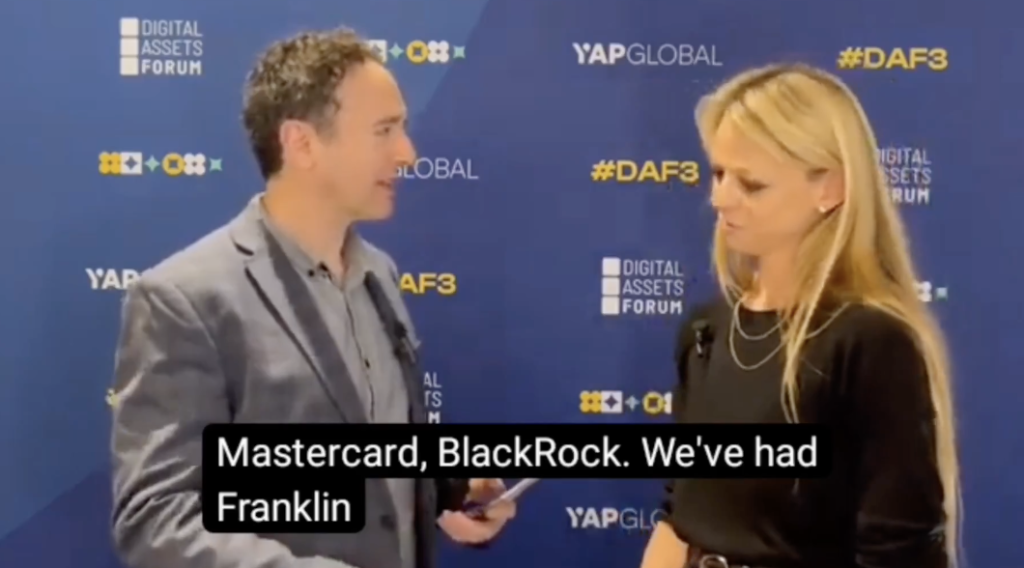
At the Digital Assets Forum 2026, a pretty interesting idea came up. Odelia Torteman from the World Bank described DeFi not as a niche sector, but as “middleware”—basically the invisible layer connecting financial systems.
It’s a subtle shift in language, but it matters.
Instead of asking “does this work?”, the question is becoming “how do we use this at scale?”
In that context, the XRP Ledger stands out. It’s built for fast, transparent movement of value across different assets—payments, tokenized assets, even cross-border flows. Not theoretical use cases… actual ones.
Real-World Activity Is Picking Up Fast
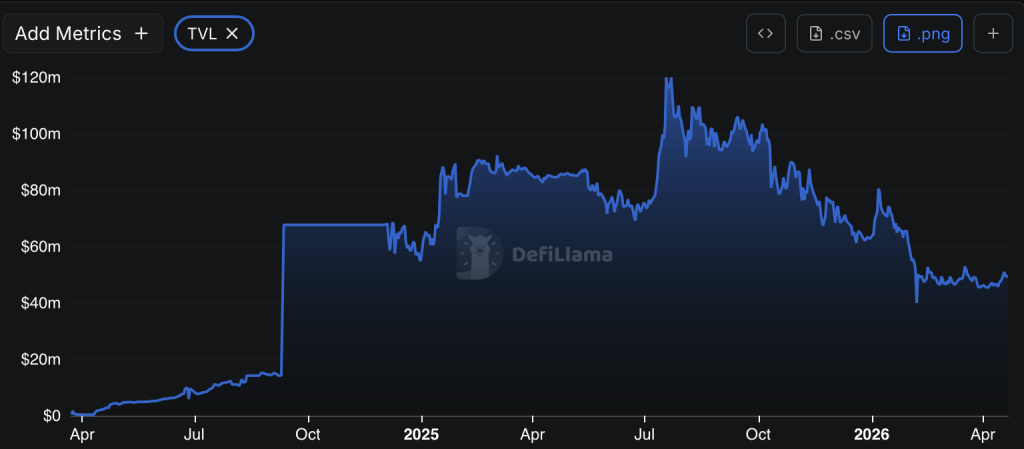
And the numbers back that up. Activity tied to real-world assets on the XRP Ledger has jumped around 875%, with total value nearing $2.5 billion. That’s not just a random spike—it suggests institutions are actively testing tokenization.
Things like bonds, commodities… moving on-chain, not just talked about.
For large financial players, the appeal is pretty straightforward: faster settlement, lower costs, and better transparency. Traditional systems, for all their scale, don’t really offer that combination easily.
Adoption Isn’t Just Western—Asia Is Moving Too
What’s interesting is that this isn’t limited to Western institutions. Over in Japan, there are reports of a major travel company working on integrating prepaid payment systems directly onto the XRP Ledger.
That market alone is massive—around ¥30 trillion annually.
If even a fraction of that moves on-chain, it changes how everyday payments work. Not in a flashy “crypto revolution” way, but quietly… gradually.
Infrastructure Meets Institutional Intent
For a long time, blockchain had the tech—but not the trust from big institutions. That gap is starting to close. Regulation is clearer, systems are more stable, and DeFi itself is maturing.
Now both sides—technology and institutional demand—are finally aligning. And that’s rare.
When firms like Mastercard or BlackRock start leaning in, it’s not about hype. It’s about long-term positioning.
The Bigger Picture Still Unfolding
If DeFi really does become the “middleware” of global finance, as suggested, then networks like the XRP Ledger could end up doing a lot of the heavy lifting… quietly. Powering transactions, settling assets, connecting systems—without most users even noticing.
And maybe that’s the point.
Not to replace everything overnight, but to integrate slowly, until it just becomes part of how things work.