
- Solana continues gaining ground in key blockchain sectors, including tokenized assets and stablecoins.
- Faster transactions and lower fees are helping attract developers and users away from Ethereum.
- Some analysts believe Solana could eventually overtake Ethereum as the largest altcoin if current growth trends continue.
For years, Ethereum has held a firm grip on the altcoin throne. As the second-largest cryptocurrency behind Bitcoin, it has built an enormous ecosystem around decentralized finance, smart contracts, NFTs, and tokenized assets. With a market value of roughly $200 billion, Ethereum remains one of the most influential networks in the digital asset space.
Still, crypto markets have a habit of changing faster than expected. A growing number of investors are beginning to wonder whether Solana could eventually challenge Ethereum’s position at the top. It’s a bold idea, sure, but one that is becoming harder to dismiss as Solana continues expanding its footprint across some of crypto’s fastest-growing sectors.
Solana’s Growth Is Outpacing Ethereum
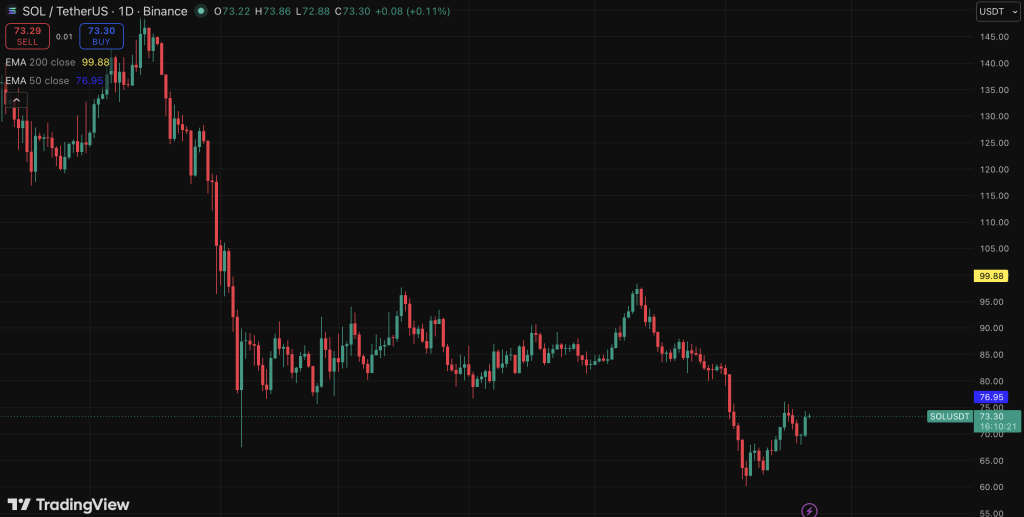
One of the strongest arguments in Solana’s favor is simple: growth. Over the past few years, Solana has consistently gained traction thanks to its fast transaction speeds and significantly lower fees. For developers building applications and users interacting with blockchain networks every day, those advantages matter.
The shift has been visible across decentralized finance. Back in 2024, Solana’s decentralized exchanges began recording monthly trading volumes that surpassed Ethereum’s in certain periods. That was an important milestone because it demonstrated that users were increasingly willing to move activity away from Ethereum when given a cheaper and faster alternative.
The trend has continued. Rather than relying solely on hype-driven sectors, Solana has been steadily strengthening its infrastructure and expanding into more mature financial use cases. That evolution is attracting attention from both retail participants and institutional players.
Institutional Finance Could Be Solana’s Biggest Opportunity
Several prominent investors have highlighted Solana’s disruptive potential over the years. One of the most frequently cited advantages remains its ability to process transactions quickly without forcing users to pay expensive network fees.
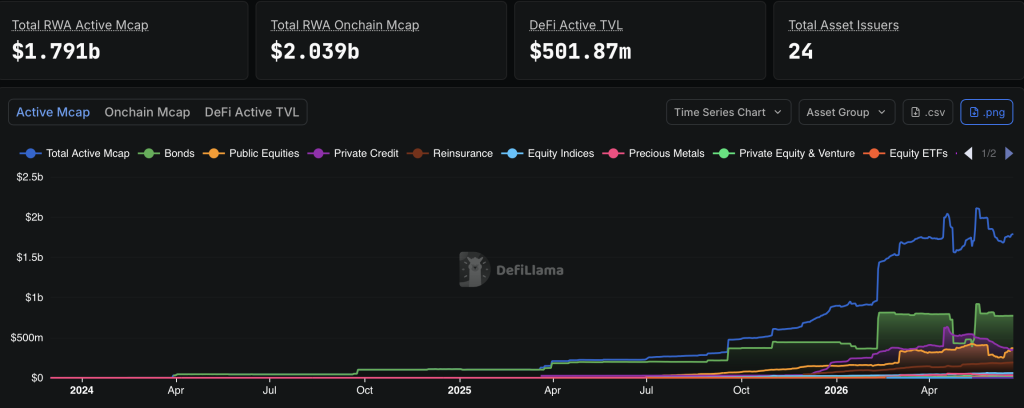
Today, Solana appears focused on a new chapter. While meme coins helped drive activity during previous cycles, the network is increasingly positioning itself around stablecoins, tokenized assets, and institutional finance. Those areas are attracting billions of dollars in investment and are widely viewed as key growth engines for the next phase of blockchain adoption.
This is where the competition with Ethereum becomes particularly interesting. Stablecoins and tokenized real-world assets are among the fastest-growing categories in decentralized finance. If Solana can continue capturing market share in those sectors, its growth rate could remain significantly higher than Ethereum’s for years to come.
What Would It Take for Solana to Pass Ethereum?
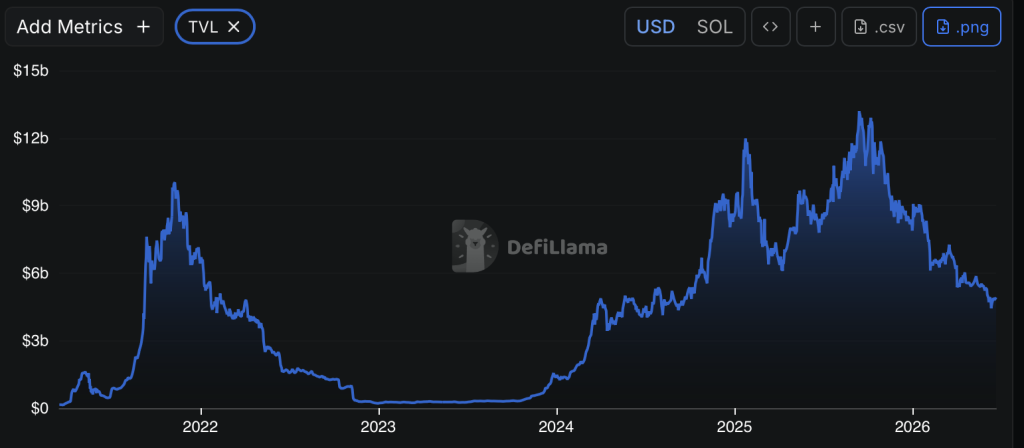
Of course, overtaking Ethereum is easier said than done. The gap remains substantial. Ethereum currently carries a market capitalization near $200 billion, while Solana sits closer to $40 billion. That’s a difference of roughly five times.
However, market leadership can change surprisingly quickly when growth rates diverge. Imagine a scenario where Solana doubles in value annually while Ethereum grows at a slower pace of around 20% per year. Under that assumption, Solana’s market capitalization could approach $320 billion by 2029, while Ethereum would sit around $346 billion.
In that scenario, 2030 becomes the year when Solana finally catches up and potentially moves ahead. Whether that exact path unfolds is impossible to predict, but it illustrates how rapidly the competitive landscape can shift when one asset grows substantially faster than another.
Solana Has Proven It Can Deliver Explosive Growth
Skeptics may argue that doubling in value every year is unrealistic. Fair enough. Yet Solana has already demonstrated its ability to generate extraordinary returns during favorable market conditions.
In 2023, the token surged more than 900%. The following year, it delivered another impressive gain of roughly 86%. While past performance never guarantees future results, those numbers show that Solana is capable of growing much faster than most large-cap cryptocurrencies when momentum turns positive.
The bigger question is whether the network can maintain that pace while expanding into more serious financial applications. If it succeeds, Solana may become more than just another Ethereum competitor. It could emerge as the blockchain best positioned to challenge Ethereum’s long-standing dominance.
Could Solana Really Become the Top Altcoin?
Nothing in crypto is guaranteed. Technology changes, competition evolves, regulations shift, and market sentiment can reverse almost overnight. Ethereum still possesses one of the largest developer communities in the industry and remains deeply embedded across decentralized finance.
At the same time, Solana continues building momentum where it matters most: user activity, transaction efficiency, tokenized assets, and institutional adoption. Those strengths are creating a compelling long-term narrative.
If any cryptocurrency has the potential to challenge Ethereum’s position over the next several years, Solana remains one of the strongest candidates. Whether that challenge succeeds by 2030 remains uncertain, but the race is becoming far more interesting than many investors expected.