

- TAO daily emissions were cut in half after its December 2025 halving, tightening overall supply.
- Over 75% of TAO is staked, reducing liquid float and strengthening the supply shock argument.
- AI momentum, subnet expansion, and new Binance margin access are boosting attention and liquidity.
Bittensor is catching the AI tailwind again. NVIDIA just posted a staggering $68.1 billion in revenue, and that headline alone sent AI-linked tokens higher almost instantly. TAO was quick to respond. It didn’t hesitate.
At the same time, Binance rolled out cross margin trading for TAO with a new TAO/U pair. That may sound technical, but it matters. More liquidity. Easier leverage. Wider access on the biggest exchange in the world. When you combine record AI earnings with expanded trading rails, momentum can build fast, sometimes faster than expected.
And all of this is unfolding just as Bittensor enters a new supply era.
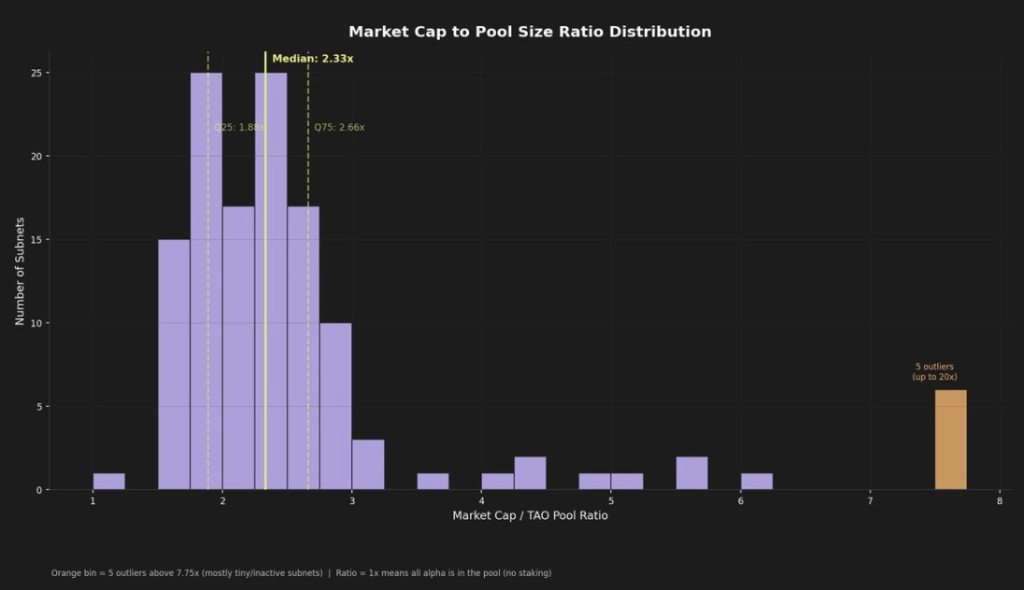
The Halving Shifted the Supply Curve
In December 2025, Bittensor completed its first halving. Daily emissions were cut from roughly 7,200 TAO to about 3,600. Inflation dropped to near 5%. Quietly, that changed the math.
TAO was already positioned as one of the more credible AI-native projects in crypto. Now it carries a tightening issuance model too. Lower supply growth paired with rising attention tends to reshape how markets value an asset. We’ve seen that pattern before, in different cycles, under different names.
What makes it more interesting is staking. Over 75% of the total TAO supply is currently staked. That leaves only around 25% actually liquid. When emissions fall and most of the supply is locked at the same time, the available float becomes thin. Thin floats don’t need massive demand to move sharply. They just need consistent buyers.
This is where the “supply shock” narrative comes from. It isn’t just hype floating around on social feeds. It’s basic scarcity mechanics.
Subnets Expand While Supply Contracts
Supply is tightening, yes. But demand infrastructure is growing too.
Bittensor now supports roughly 128 active subnets, with a roadmap targeting 256 by 2026. Each subnet operates like a focused AI vertical, some centered on text generation, others on drug discovery, computer vision, autonomous coding agents, and more. It’s almost like plugging dozens of specialized AI startups into one shared incentive layer.
Participation is also meaningful. Around 4,200 validators and thousands of miners are active on the network. That doesn’t look like a hollow ecosystem. It suggests real engagement, and most of that engagement locks supply further.
So you end up with three forces aligning at once. Emissions cut in half. Majority of supply staked. Infrastructure steadily expanding. That combination doesn’t guarantee price appreciation, but structurally, it’s compelling.
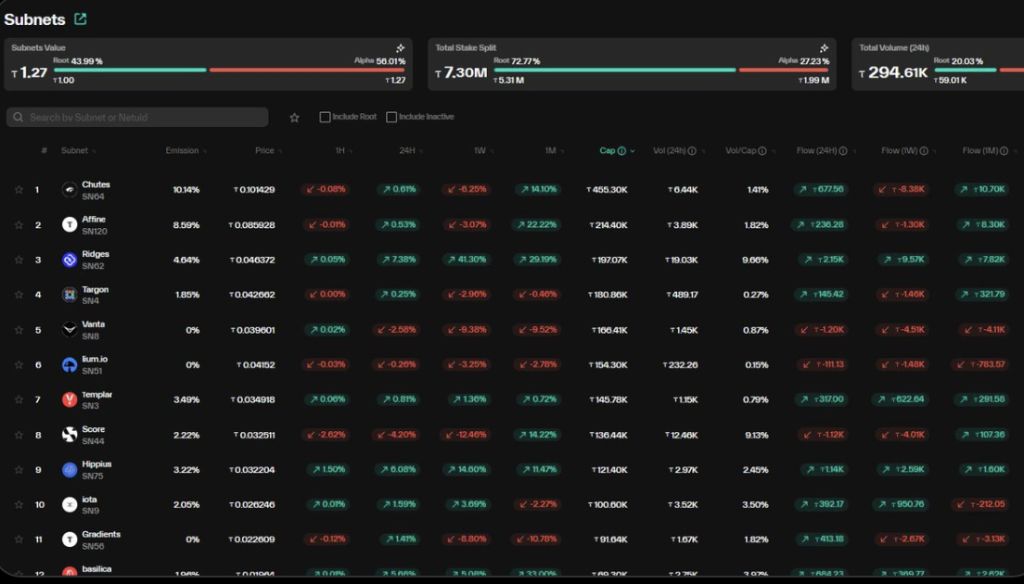
AI Narrative or Structural Positioning?
AI remains one of the dominant themes heading into 2026. Plenty of tokens are trying to ride that narrative wave. Bittensor, however, has been building within this category for years, long before AI became the default buzzword in every pitch deck.
That distinction matters to certain investors. Some traders chase fresh narratives for short-term spikes. Others gravitate toward category leaders with longer operating histories. Lower risk, potentially more durable upside.
There’s also a noticeable shift toward structured accumulation strategies. Long-term participants are dollar-cost averaging into infrastructure plays like ETH and TAO, rather than trying to perfectly time volatile swings. In messy macro conditions, consistency often replaces precision.
Is This a True Supply Shock Setup?
No one can say with certainty what TAO does next. Markets don’t move on logic alone. But the ingredients are there.
Daily emissions are halved. Most of the supply is locked. AI demand continues expanding. Subnets are scaling. Trading access is improving through platforms like Binance. When scarcity meets rising attention, markets tend to respond.
Whether TAO experiences a full-scale supply shock similar to past Bitcoin halving cycles depends on sustained demand, not just headlines. Still, one thing is clear. Bittensor is no longer just an AI narrative. It’s becoming a scarcity narrative too, and that shift feels significant.