
- Headline PCE inflation rose 0.2% in July and 3.7% year-over-year, slightly above expectations.
- Core PCE increased 0.2% monthly and 3.3% annually, matching forecasts.
- Markets see roughly a one-in-three chance of a Fed move in September as inflation remains above the central bank’s 2% target.
U.S. inflation came in slightly hotter than expected in July, adding another complication for the Federal Reserve as policymakers prepare for their September interest rate decision.
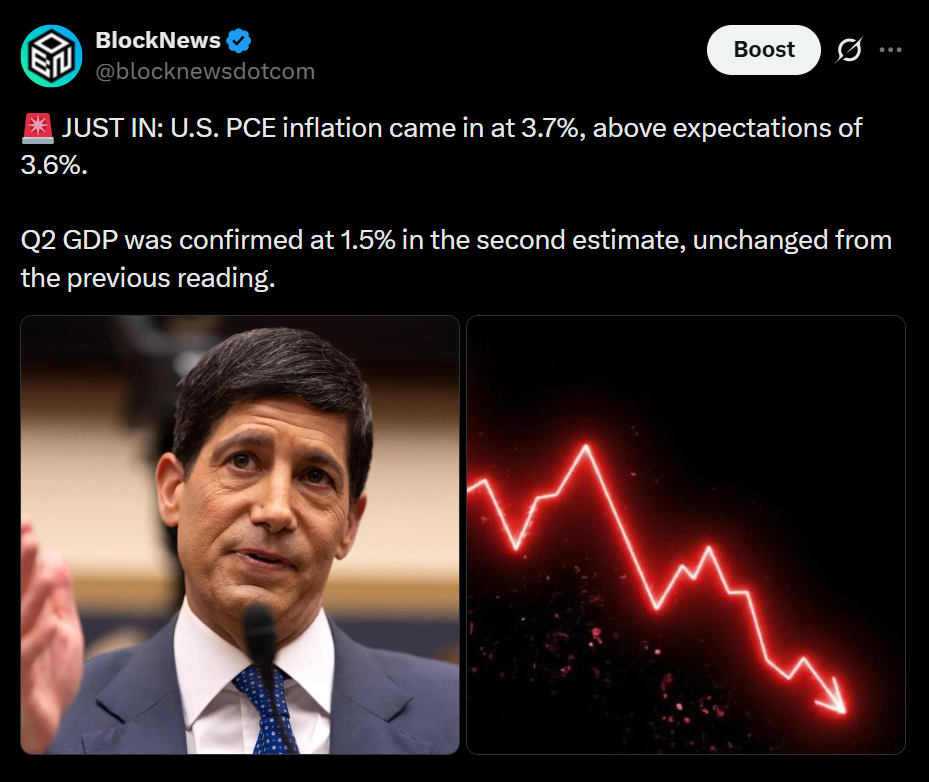
The personal consumption expenditures price index, the Fed’s preferred inflation gauge, increased 0.2% during July and 3.7% from a year earlier. Both readings were 0.1 percentage point above expectations.
Core Inflation Matches Expectations
Core PCE, which excludes volatile food and energy prices, increased 0.2% for the month and 3.3% annually, matching forecasts.
Goods prices declined 0.1%, helped by a 2.7% drop in gasoline and other energy-related goods. Services prices increased 0.3%, driven partly by financial services, insurance and housing.
Personal income also rose 0.4%, while consumer spending increased 0.2%, both stronger than expected.
Fed Faces September Decision
Inflation remains well above the Fed’s 2% target despite relatively soft monthly readings during the summer.
The Federal Open Market Committee’s next meeting is scheduled for Sept. 15-16. Markets currently price roughly a one-in-three chance of a policy move in September, while expectations for a potential rate hike are more concentrated around December.
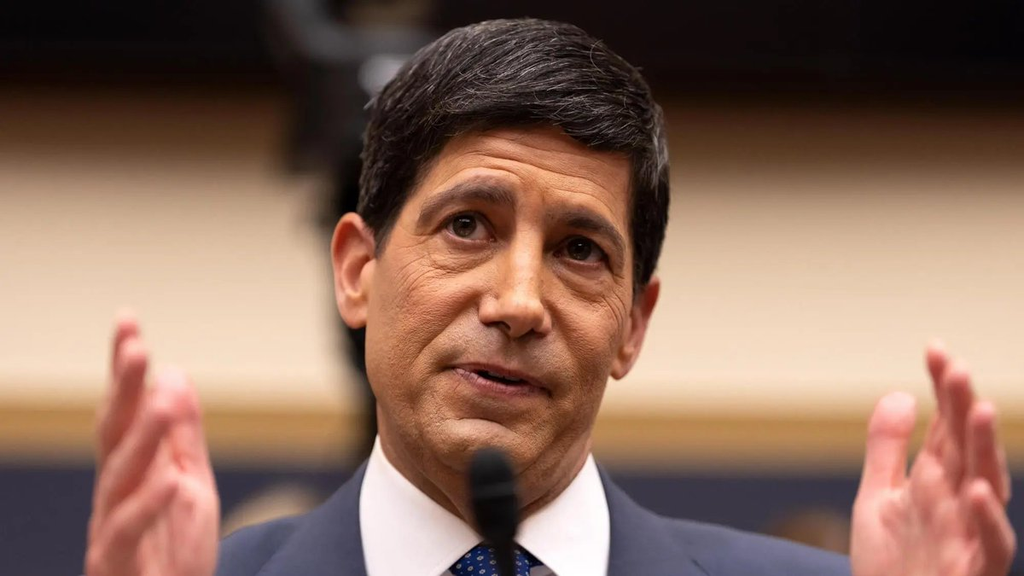
Investors will now turn their attention to Fed Chair Kevin Warsh‘s Jackson Hole speech on Friday for additional clues about the direction of monetary policy.
Treasury Yields Remain a Concern
Stock futures moved slightly lower following the inflation report, while Treasury yields climbed.
Long-term yields have already risen sharply, with the 10-year and 30-year Treasury recently reaching their highest levels since 2007 amid concerns over inflation, government debt and federal deficits.
Treasury Secretary Scott Bessent recently announced plans to increase government debt buybacks in an attempt to improve market liquidity, though investors remain divided over how much the program can influence longer-term yields.