
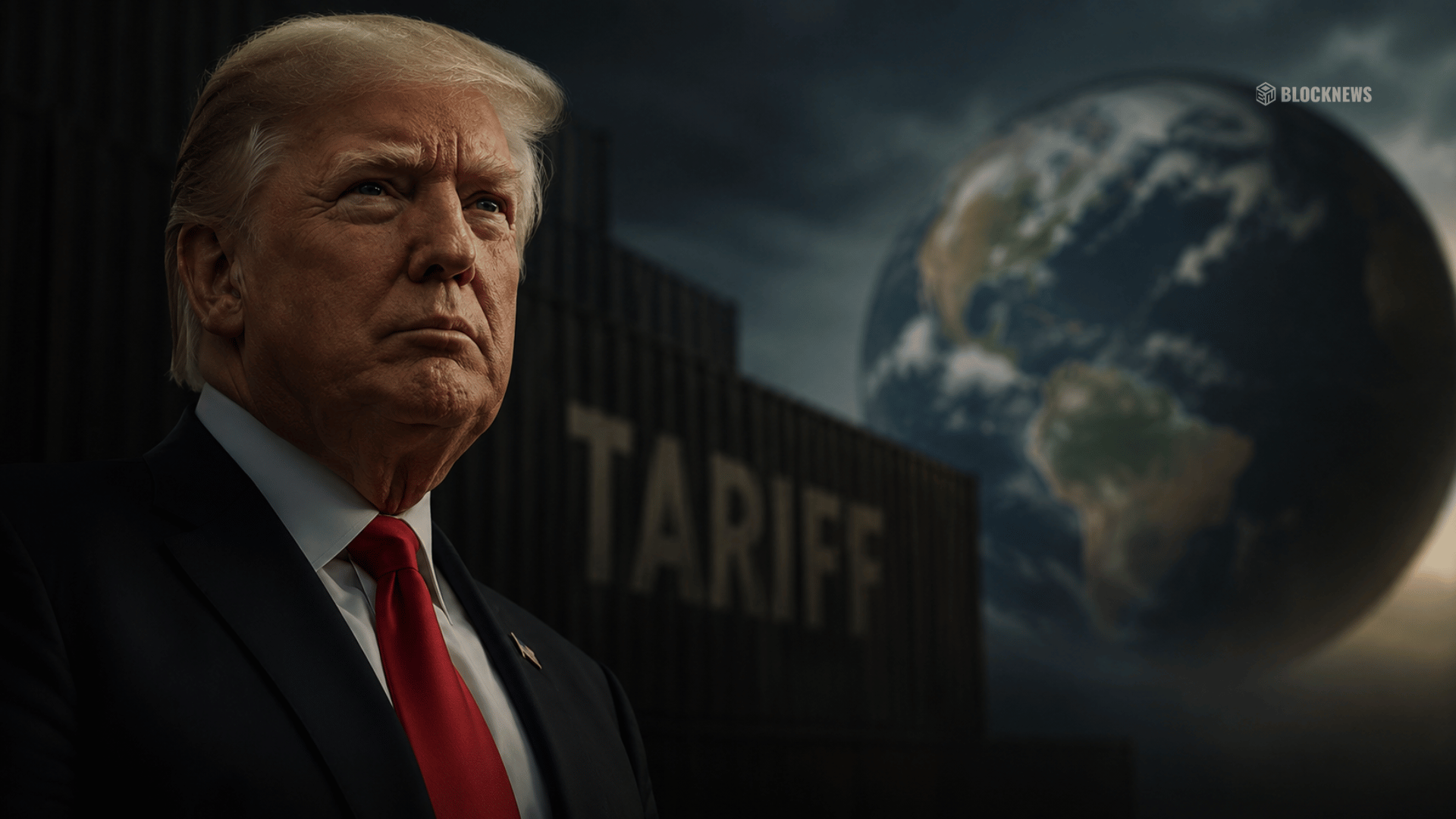
- President Donald Trump is reportedly preparing new tariffs on dozens of countries as early as this week.
- The current 10% temporary global tariff is scheduled to expire on Friday, with similar or potentially higher duties under consideration.
- The move could reshape global trade flows, increase market volatility, and influence inflation, manufacturing, and investor sentiment.
The Trump administration is reportedly preparing to introduce a new wave of tariffs on dozens of countries as the temporary global tariff policy approaches its expiration.
According to the Financial Times, the White House is expected to announce new import duties as early as this week, with the current 10% global tariff set to expire on Friday. While many of the new tariffs are expected to remain around the existing 10% level, officials are also exploring legal avenues that could allow significantly higher duties on selected imports.
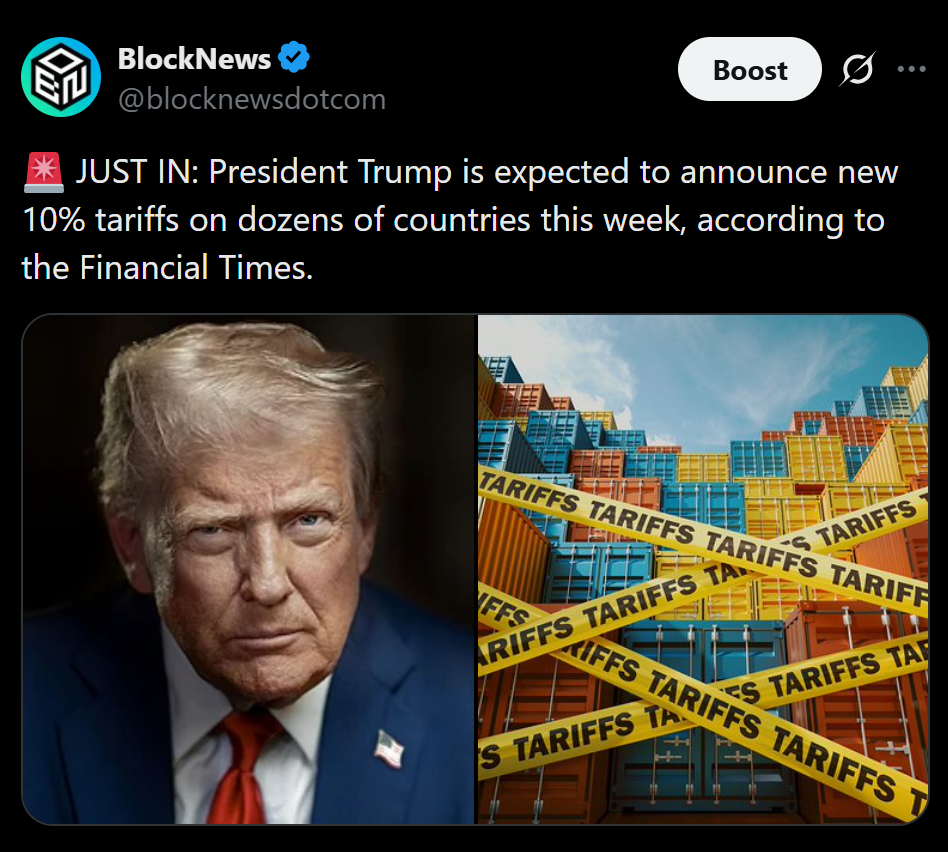
The potential changes mark another major step in the administration’s effort to reshape U.S. trade policy and encourage domestic manufacturing.
Existing Tariffs Could Become Permanent
Rather than allowing the temporary tariff program to expire, the administration appears prepared to replace it with a broader long-term framework.
Officials are reportedly considering maintaining duties comparable to the current 10% baseline, while separate trade investigations could justify imposing steeper tariffs on specific countries or industries.
The approach would provide greater flexibility to target imports viewed as posing economic or national security concerns.
Global Trade Could Face New Headwinds
Fresh tariffs would likely affect a wide range of trading partners, potentially increasing costs for exporters while encouraging companies to diversify supply chains.
Businesses that rely heavily on imported goods may face higher production costs, while manufacturers with domestic operations could benefit from increased protection against foreign competition.
Financial markets will also be watching closely for possible retaliatory measures from affected countries, which could further influence global trade flows.
Investors Will Be Watching Inflation and the Federal Reserve
Tariffs often have broader economic consequences beyond international trade.
Higher import costs can place upward pressure on consumer prices, complicating the Federal Reserve’s efforts to manage inflation. At the same time, uncertainty surrounding trade policy may contribute to increased market volatility across equities, commodities, and currencies.
Sectors tied to global manufacturing, shipping, retail, and industrial production could be among the most sensitive to any new tariff announcements.
Trade Policy Remains a Key Market Driver
As the expiration of the current tariff framework approaches, investors are closely monitoring how aggressively the administration moves to expand or modify existing duties.
Whether the White House ultimately maintains tariffs near current levels or introduces higher rates through additional legal authority, the decisions are expected to influence global markets, corporate earnings, and international trade relationships in the months ahead.