
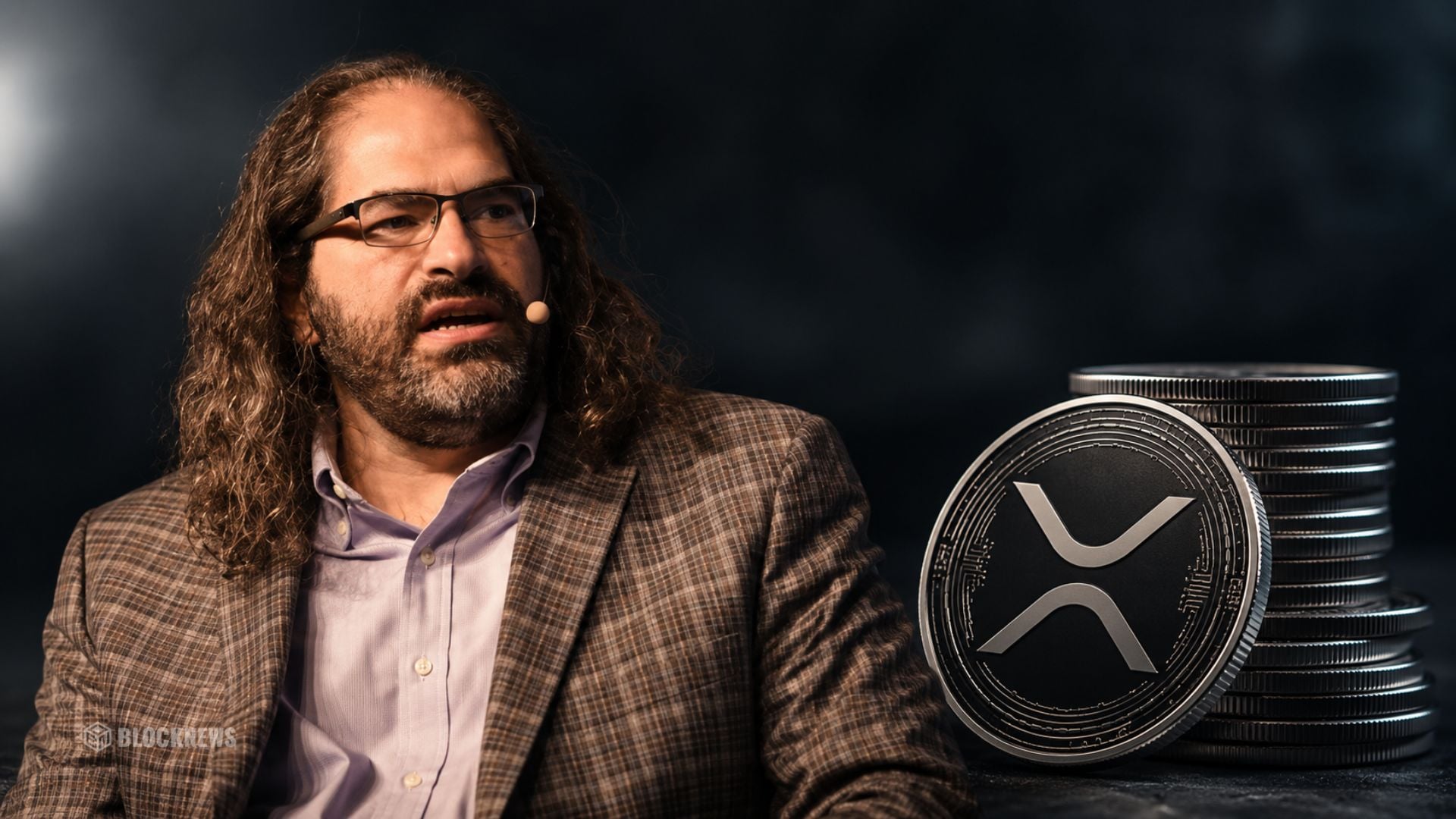
- Ripple executives discussed the possibility of burning escrowed XRP, though no decision has been made.
- David Schwartz cited Stellar’s 2019 token burn as evidence that reducing supply does not always increase price.
- Ripple still controls roughly 38.15 billion XRP in escrow, but much of the monthly unlock is routinely re-locked.
The debate over Ripple’s massive XRP escrow reserves is back in focus after company executives addressed the possibility of permanently removing some of those tokens from circulation. While the idea has attracted attention from investors hoping it could boost XRP’s price, Ripple’s leadership appears far less convinced that the outcome would be so straightforward.
David Schwartz, Ripple’s Chief Technology Officer and one of the key architects behind the XRP Ledger, recently pointed to a historical example that may challenge popular assumptions. According to Schwartz, simply reducing supply does not automatically lead to higher prices, especially in crypto markets where sentiment, demand, and liquidity often play much bigger roles.
His comments arrive as Ripple completed another scheduled escrow release, putting billions of dollars worth of XRP back into the spotlight once again.
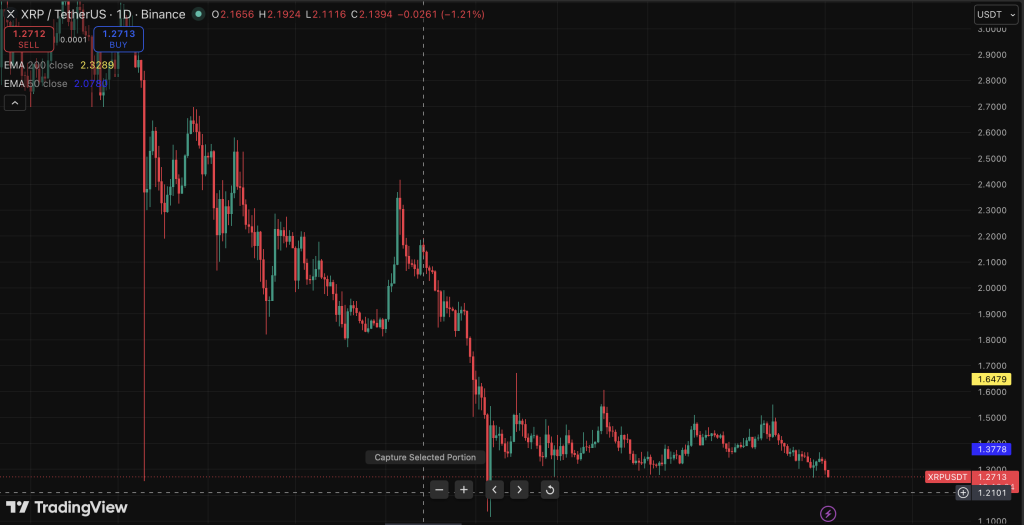
Why Burning XRP May Not Have the Impact Investors Expect
Schwartz referenced a major event from 2019 involving the Stellar Development Foundation. At the time, Stellar destroyed roughly 55 billion XLM tokens, effectively cutting half of the cryptocurrency’s total supply.
Many investors expected a strong market reaction. Instead, the price barely responded.
That example remains one of the strongest arguments against the idea that token burns automatically create value. Schwartz suggested Ripple could permanently prevent escrowed XRP from entering circulation if it wanted to. In theory, the company could even achieve a similar result by transferring ownership of the accounts controlling those funds.
Still, he stopped short of suggesting such a move would necessarily benefit XRP holders. Markets, after all, are rarely that simple.
Ripple CEO Brad Garlinghouse also addressed the topic recently, saying he would not completely rule out any option regarding the company’s escrow reserves. While that leaves the door open, it doesn’t indicate that a burn is actively being considered either.
Ripple Unlocks Another 1 Billion XRP
The discussion gained momentum after Ripple completed its latest monthly escrow release. According to blockchain tracking service Whale Alert, the company unlocked 1 billion XRP through three separate transactions with a combined value exceeding $1.33 billion.
The largest transfer involved 500 million XRP worth approximately $666 million. A second transaction released 400 million XRP valued near $533 million, while the final batch contained 100 million XRP worth around $133 million.
Numbers like these naturally grab attention. Seeing over a billion dollars in XRP move at once can create concerns among traders who worry about additional supply entering the market.
However, the reality is usually less dramatic than the headline figures suggest.
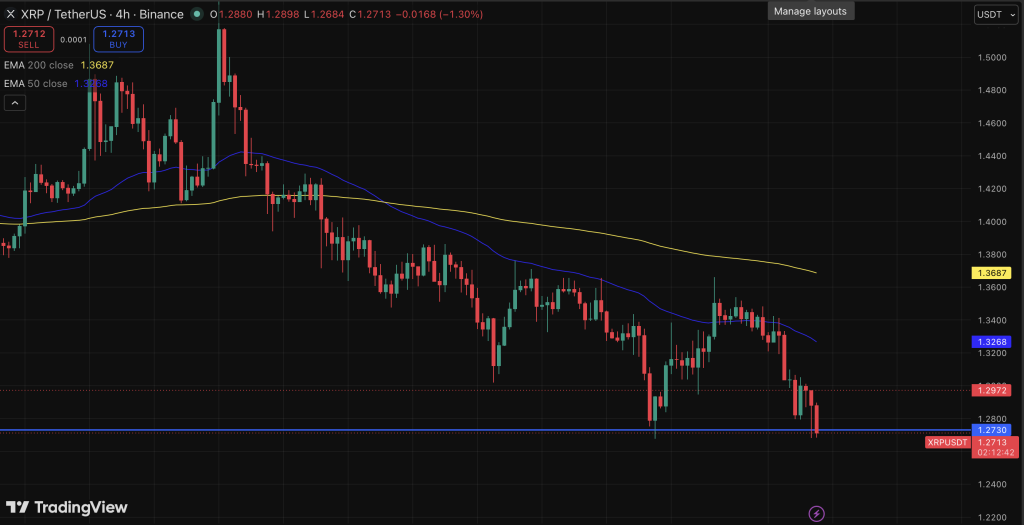
How Much XRP Is Still Locked Away?
XRP’s total supply is permanently capped at 100 billion tokens, and that number cannot be increased. According to market data from early June 2026, approximately 61.85 billion XRP are currently circulating across the market.
That leaves around 38.15 billion XRP still held in Ripple-controlled escrow accounts.
Importantly, Ripple does not sell every token it unlocks each month. The company routinely places a large portion of released XRP back into escrow, extending the distribution schedule further into the future. As a result, the monthly release of 1 billion XRP does not translate into 1 billion tokens immediately entering circulation.
This mechanism has helped Ripple manage supply concerns for years, even though debate around the escrow system continues to resurface whenever major unlocks occur.
When Will Ripple’s Escrow Finally Run Out?
One of the biggest questions surrounding XRP remains surprisingly difficult to answer. Exactly when will the escrow reserves be exhausted?
According to Schwartz, Ripple regularly returns XRP it does not expect to use back into escrow. That practice makes forecasting the final depletion date far more complicated than simply dividing the remaining balance by the monthly release schedule.
As long as Ripple continues re-locking large portions of its unlocked XRP, the timeline remains fluid. Some months may see higher usage, while others could result in substantial amounts being returned.
For now, the escrow system remains a central part of Ripple’s supply management strategy. Whether the company eventually burns a portion of those reserves or continues operating under the current model, one thing is clear: XRP’s future valuation will likely depend on far more than supply reductions alone.