- Bitcoin rises as Trump delays planned strikes on Iran infrastructure
- Risk markets rebound after weeks of geopolitical pressure
- Oil shock and Fed policy still keep broader uncertainty elevated
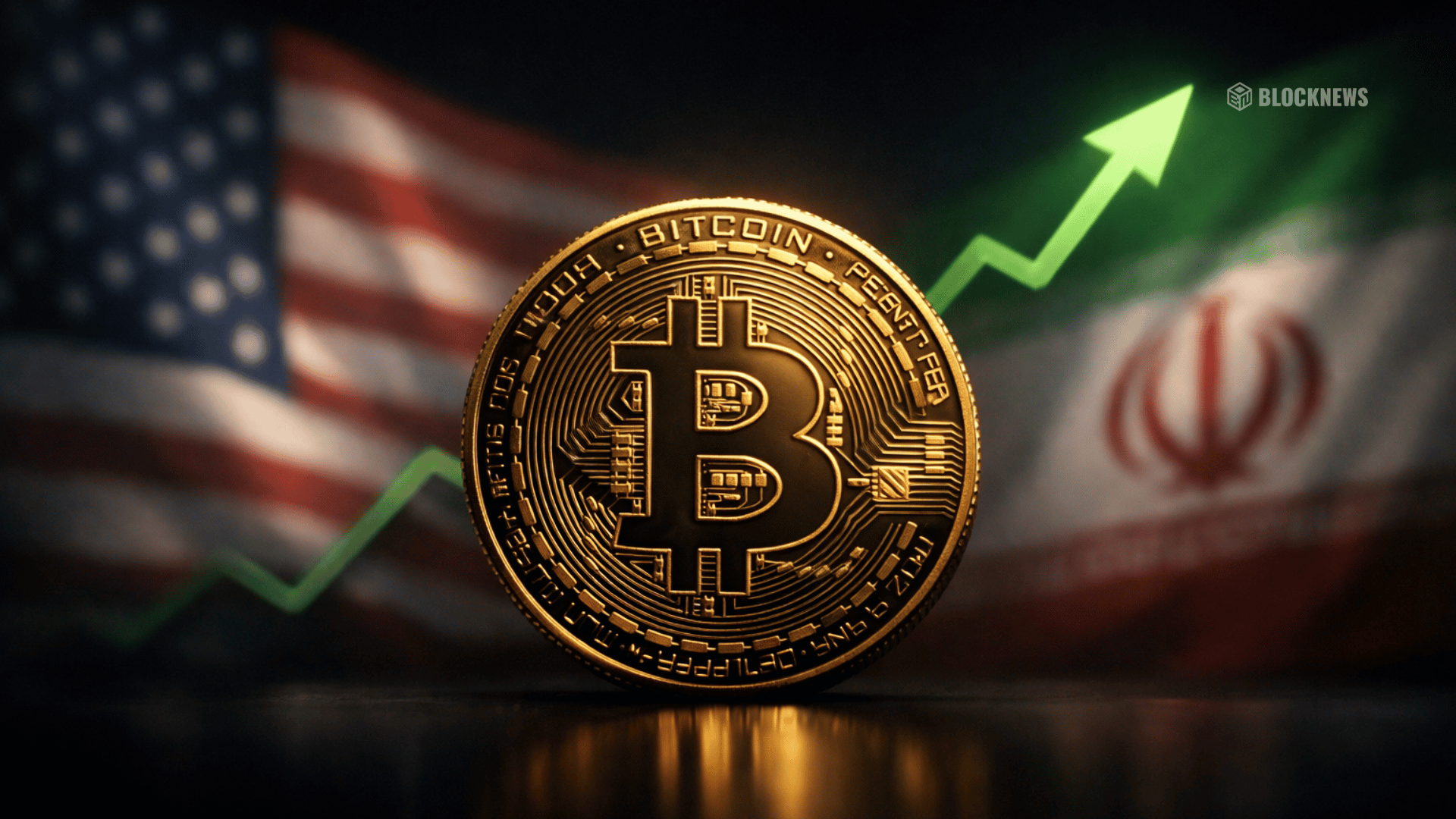
Bitcoin saw a sharp bounce after President Donald Trump announced a temporary halt to planned military strikes on Iranian energy infrastructure. The five-day pause, tied to ongoing diplomatic talks described as “constructive,” was enough to ease immediate fears of further escalation. Markets, which had been under pressure for weeks, reacted quickly, and crypto moved higher almost instantly.
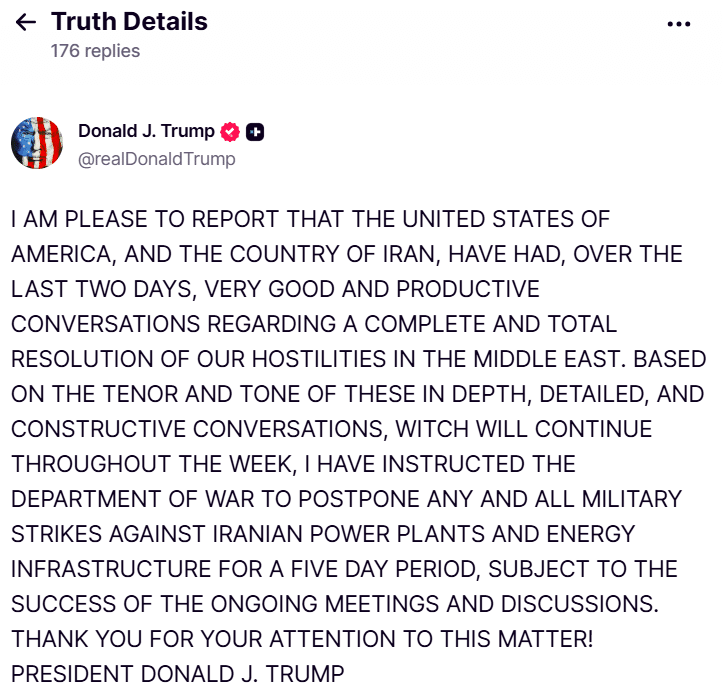
The relief wasn’t just about crypto. Risk assets across the board had been weighed down by sustained geopolitical tension, and even a short-term pause changes the tone. Bitcoin, which has been trading in a volatile range between roughly $66,000 and $76,000, used the news as a catalyst to push higher again, showing just how sensitive it remains to macro headlines.
A Market Driven by Geopolitical Shifts
The backdrop here is still intense. Since the launch of Operation Epic Fury in late February, markets have been navigating constant uncertainty. The conflict triggered retaliatory strikes across the region and sent shockwaves through global financial systems, keeping volatility elevated across both crypto and traditional assets.
Bitcoin itself dropped as low as $63,000 during the early phase of the conflict, reflecting how quickly sentiment can shift when risk levels rise. The recent bounce doesn’t erase that volatility, but it does show how fast markets can react when tensions ease, even temporarily.
Energy Shock Remains the Bigger Issue
While the pause in strikes brought short-term relief, the broader energy situation hasn’t really improved.Oil prices remain significantly elevated, with Brent crude up roughly 60% since the conflict began. Disruptions tied to the Strait of Hormuz have only intensified supply concerns, keeping pressure on global markets.

This energy shock is feeding directly into inflation expectations. Higher oil prices ripple through economies quickly, raising costs across sectors and complicating central bank policy decisions. Even with reduced immediate conflict risk, the structural impact is still very much in place.
Fed Policy Adds Another Layer of Pressure
The Federal Reserve has already adjusted its outlook in response to these developments. Inflation projections for 2026 were revised higher, and policymakers signaled a “higher-for-longer” stance on interest rates. That kind of environment tends to limit upside for risk assets, including crypto.
So while Bitcoin is bouncing on geopolitical relief, it’s still operating within a tighter macro framework. Liquidity isn’t expanding, and rate cuts aren’t guaranteed, which keeps the overall setup somewhat constrained.
Relief Rally or Temporary Bounce?
The key question now is whether this move turns into something more sustained or fades once the immediate news impact passes. A five-day pause doesn’t resolve the broader conflict, and markets know that. It simply reduces the probability of near-term escalation.
For Bitcoin, that means the rally could continue if sentiment stabilizes, but it also remains vulnerable to any renewed tension. Right now, crypto is reacting to headlines, not just fundamentals, and that keeps price action reactive and, at times, unpredictable.