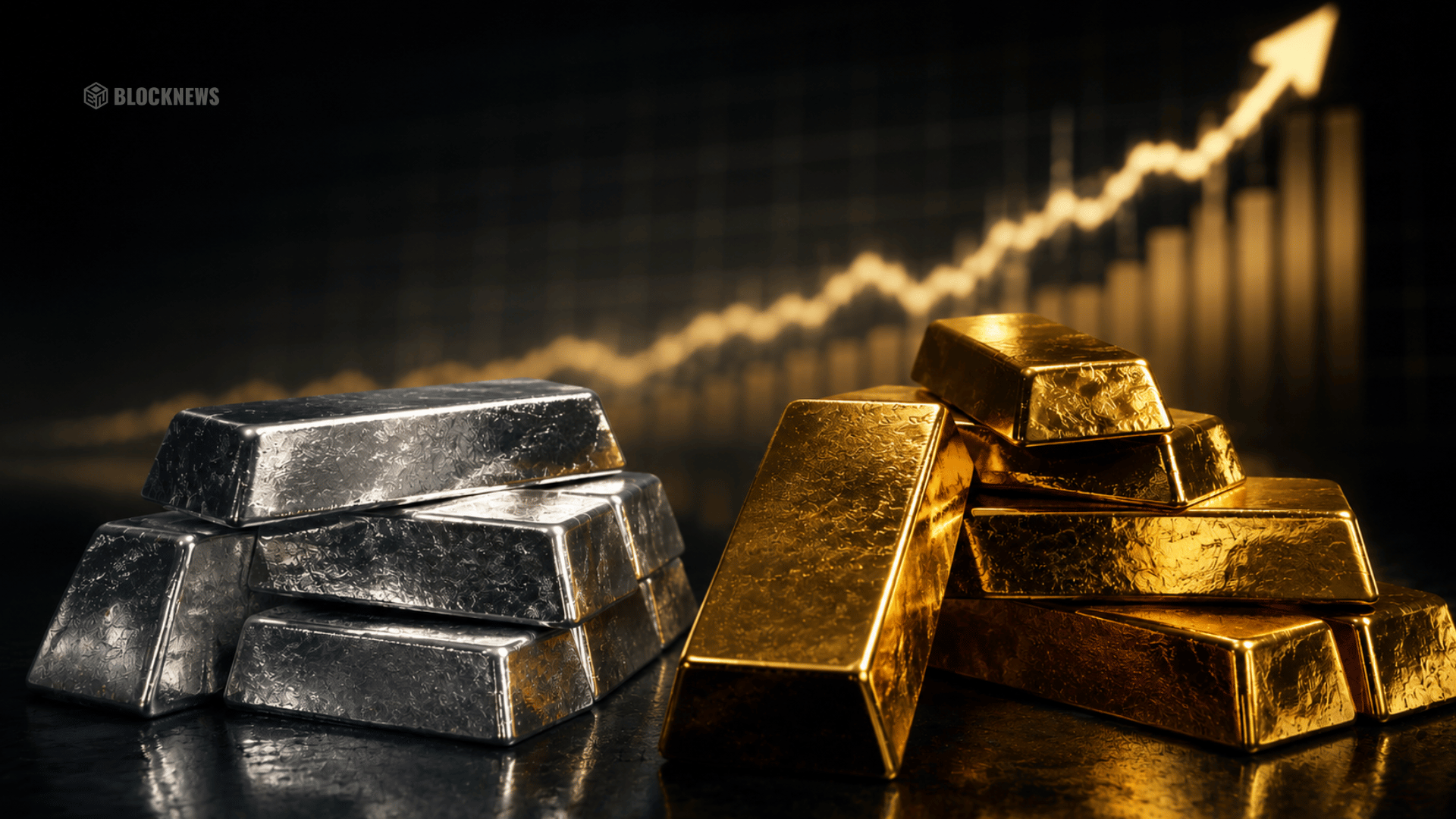
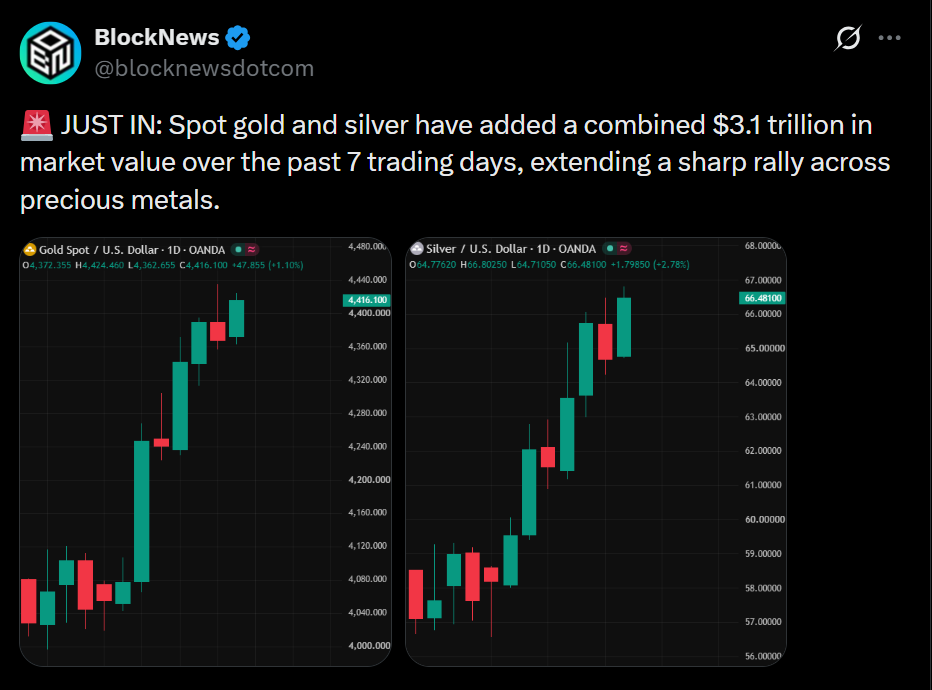
- Gold and silver added an estimated $3.1 trillion in combined market value across just seven trading days.
- Inflation concerns, geopolitical uncertainty, shifting interest-rate expectations and safe-haven demand are helping drive the precious-metals rally.
- Gold continues attracting strategic investment, while silver is benefiting from both investor demand and growing industrial use.
Gold and silver have staged an extraordinary rally, adding an estimated $3.1 trillion in combined market value over only seven trading sessions. For two assets already representing enormous global stores of wealth, the speed of the move has caught the attention of investors across traditional finance and crypto markets.
The $3.1 trillion figure does not mean that investors physically poured that amount of new money into precious metals. Instead, rising gold and silver prices increased the estimated value of the enormous amount of metal already held around the world. Still, a repricing of this magnitude over such a short period signals a meaningful shift in investor demand.
Several forces appear to be working together. Inflation concerns remain present, geopolitical risks are elevated, interest-rate expectations continue to change and investors are looking for assets that can provide protection when confidence in traditional markets weakens.
Gold Leads the Precious-Metals Rally
Gold remains the centerpiece of the latest move, reinforcing its historic position as one of the world’s leading safe-haven assets.
Investors typically increase exposure to gold during periods of economic uncertainty, currency weakness or geopolitical instability. Because the global stock of above-ground gold is already worth trillions of dollars, even relatively modest percentage moves can add enormous amounts of notional market value.
Gold’s role has also evolved beyond being an asset investors purchase only during crises. Central banks and institutional investors increasingly treat the metal as a strategic long-term allocation capable of diversifying exposure to stocks, bonds and currencies.
Central-bank purchases remain particularly important. Gold carries no traditional counterparty risk and does not depend on another government’s ability to repay debt, making it an attractive reserve asset during periods of geopolitical and monetary uncertainty.
Silver Benefits From Two Sources of Demand
Silver has joined gold’s rally, but the forces influencing its market are somewhat different.
While silver can function as a store of value, it is also an important industrial commodity used in electronics, electrical equipment, medical applications and renewable-energy infrastructure. Solar manufacturing has become especially important because photovoltaic technology relies on silver’s strong conductivity.
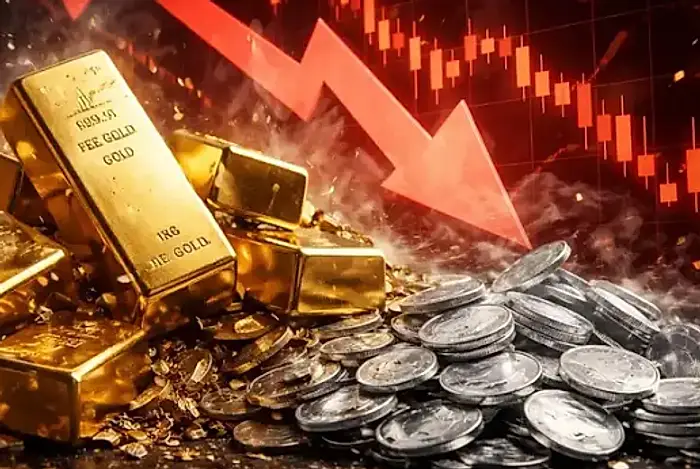
This creates an unusual combination. When investors seek protection through precious metals, silver can benefit from financial demand. At the same time, continued expansion in solar power, electrification and technology can generate additional physical demand.
Silver’s smaller and less liquid market can also produce sharper price movements when investment demand accelerates, potentially amplifying both rallies and corrections.
Interest Rates Could Determine What Happens Next
The direction of interest rates remains one of the biggest factors influencing precious metals.
Gold and silver do not generate interest, which can make them comparatively less attractive when government bonds offer high real yields. Expectations for falling rates can reverse that equation by lowering the opportunity cost of holding metals.
The U.S. dollar will also remain important. Because precious metals are generally priced internationally in dollars, a weaker dollar can make them more affordable for investors using other currencies and potentially strengthen global demand.
Inflation data, Treasury yields and central-bank policy expectations will therefore remain closely watched as investors determine whether the current rally has further room to run.
Gold and Bitcoin Draw Fresh Comparisons
The scale of the rally has also attracted attention from cryptocurrency investors, particularly because Bitcoin is frequently compared with gold as an alternative store of value.
Both assets appeal to investors seeking alternatives to traditional financial systems, although their characteristics remain substantially different. Gold carries thousands of years of monetary history and significantly lower volatility, while Bitcoin offers digital scarcity, portability and a decentralized monetary structure.
A gold rally does not automatically mean Bitcoin or the broader crypto market will follow. However, strong demand for scarce alternative assets can provide useful insight into how investors are positioning themselves amid concerns about inflation, currencies and geopolitical risk.
Investors Should Expect Volatility
Adding an estimated $3.1 trillion in market value within seven trading sessions is remarkable, but rapid rallies can also increase the possibility of sharp corrections.
Gold could face pressure if real interest rates rise, the dollar strengthens or geopolitical tensions ease. Silver carries those risks as well, alongside potential weakness if industrial activity slows.
Supply constraints add another dimension. New gold mines require years of exploration and development, while much of the world’s silver is produced as a byproduct of mining other metals. Supply therefore cannot always increase quickly enough to match sudden jumps in demand.
For now, precious metals are sending a strong signal. Investors are assigning significantly higher values to gold and silver as uncertainty spreads across global markets. Whether this develops into a longer precious-metals cycle will depend on interest rates, inflation, central-bank demand, industrial activity and the geopolitical landscape in the months ahead.