
- U.S. prosecutors are investigating whether Jerome Powell misled Congress about Fed renovation costs
- The probe adds to existing political pressure from President Trump over interest rates and spending
- Uncertainty is growing around the Fed’s future leadership as Powell’s term nears its end
U.S. prosecutors have reportedly opened an investigation into Federal Reserve Chair Jerome Powell, focusing on the long-running renovation of the Fed’s headquarters in Washington, D.C. The report, first published by the New York Times on Sunday evening, says the probe is being handled by the U.S. attorney’s office for the District of Columbia and involves officials who have already been briefed on the matter.
While details remain limited, the development has quickly drawn attention across political and financial circles.
What the Investigation Is Looking At
At the center of the inquiry is whether Powell may have provided misleading or false testimony to Congress about the scope, cost, and specifics of the renovation project. Prosecutors are reportedly comparing Powell’s public statements with internal spending records to see if there are meaningful discrepancies between what lawmakers were told and how much was actually spent.
The renovation itself has been underway for years and has drawn scrutiny over its rising costs. Investigators are now trying to determine whether those cost overruns were fully and accurately disclosed during Powell’s appearances before Congress, or if certain details were downplayed.
Political Pressure Has Been Building for Months
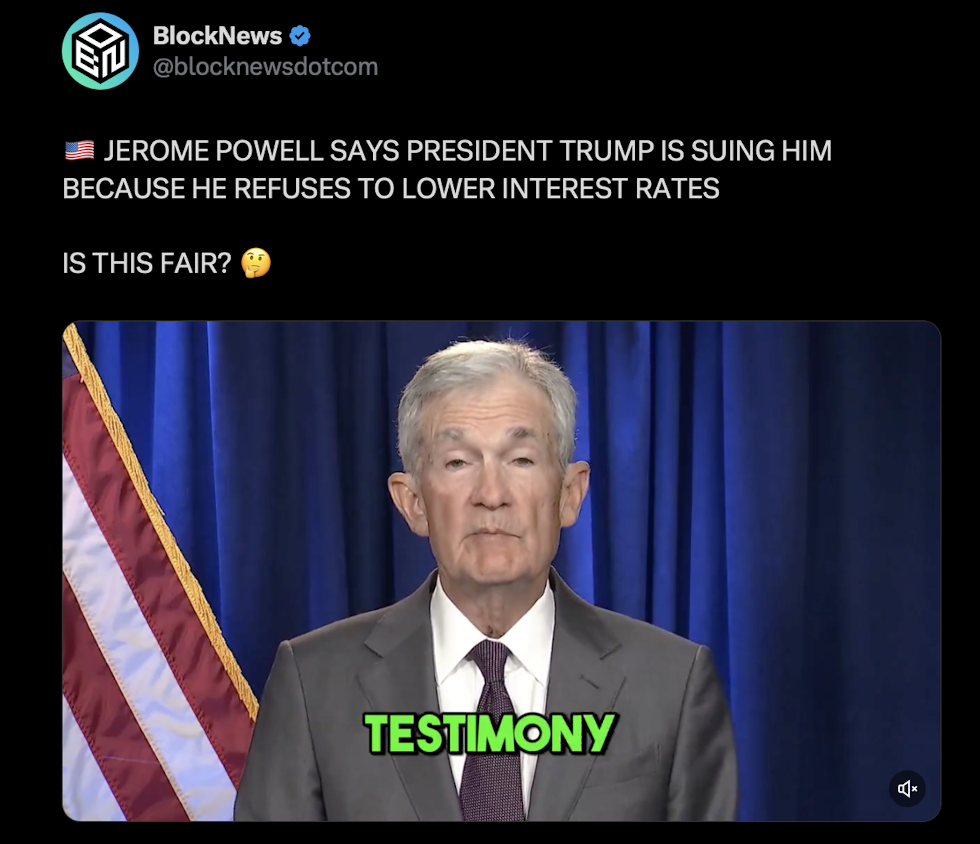
The investigation lands at a moment when Powell is already facing heavy political pressure, particularly from President Donald Trump. Trump has repeatedly criticized Powell for resisting aggressive interest rate cuts and has accused the Federal Reserve of mismanaging the headquarters renovation. At times, he has even suggested possible fraud, allegations Powell has firmly rejected.
The Federal Reserve has consistently defended the renovation, arguing that the expenses are justified due to security upgrades, aging infrastructure, and long-term operational needs. Officials have maintained that the project’s costs are transparent and necessary, though critics remain unconvinced.
Rate Cuts and a Growing Policy Rift
Tensions between the White House and the Fed intensified throughout 2025. That year, the central bank cut interest rates by a total of 75 basis points, a move Trump openly criticized as too little and too slow. Powell pushed back, saying inflation risks had not fully disappeared and warning that Trump’s fiscal and trade policies added uncertainty to the economic outlook.
Those disagreements widened an already strained relationship, with monetary policy becoming a recurring flashpoint between the administration and the central bank.
Leadership Uncertainty Looms Over the Fed
Powell’s term as Federal Reserve Chair is set to expire in May, and Trump has signaled he intends to move quickly on naming a replacement. In a recent New York Times interview, Trump said he has already selected the next Fed Chair and plans to announce the decision soon.
White House economic adviser Kevin Hassett and former Fed Governor Kevin Warsh are widely seen as the leading contenders. Both are viewed as more aligned with Trump’s preference for lower interest rates, a contrast to Powell’s more cautious stance.
As the investigation moves forward, it adds another layer of uncertainty around the future leadership of the Federal Reserve and the direction of U.S. monetary policy. Markets, policymakers, and investors are watching closely, aware that even small shifts at the top of the Fed can ripple far beyond Washington.