- ADI Predictstreet has selected Chainlink as its exclusive oracle infrastructure for FIFA World Cup 2026 prediction markets.
- Chainlink’s technology will automate market creation, resolution, and payouts using official FIFA data.
- The partnership could expose blockchain-powered prediction markets to billions of football fans worldwide.
Chainlink has secured another high-profile partnership, this time with ADI Predictstreet, the official prediction market partner of the FIFA World Cup 2026™. The agreement will see Chainlink serve as the exclusive oracle infrastructure provider for the platform, helping power market creation, outcome resolution, and payouts throughout what is expected to be the largest sporting event in history.
For Chainlink, the announcement represents another major validation of its role as the leading oracle network in blockchain. For sports fans, it could help deliver faster, more transparent prediction markets backed by official data and automated settlement systems.
Powering Prediction Markets at Global Scale
The FIFA World Cup 2026™ is expected to be unprecedented in size. The tournament will feature 48 national teams, 104 matches, and 16 host cities spread across the United States, Canada, and Mexico. Demand has already been immense, with FIFA reportedly receiving more than 150 million ticket requests from fans across over 200 countries.
Handling prediction markets at that scale presents significant technical challenges. To address this, ADI Predictstreet has integrated Chainlink’s Runtime Environment (CRE), which automates market creation, outcome verification, and settlement processes using official FIFA data sources.
The goal is to eliminate many of the issues that have historically plagued prediction markets, including slow payouts, manual settlement procedures, and disputes over event outcomes.
Why Chainlink Was Selected
According to ADI Predictstreet CEO Dimitrios Psarrakis, reliability and scalability were key factors behind the decision.
“As the Official Prediction Market Partner for one of the world’s largest sporting events, delivering a seamless experience at global scale is a top priority,” Psarrakis said. He added that Chainlink’s history of supporting large-scale markets made it a natural fit for the platform’s ambitions.
Chainlink Labs Chief Business Officer Johann Eid echoed that sentiment, stating that the company’s infrastructure enables real-time prediction markets to settle fairly using high-quality data, leading to faster payouts and a better user experience.
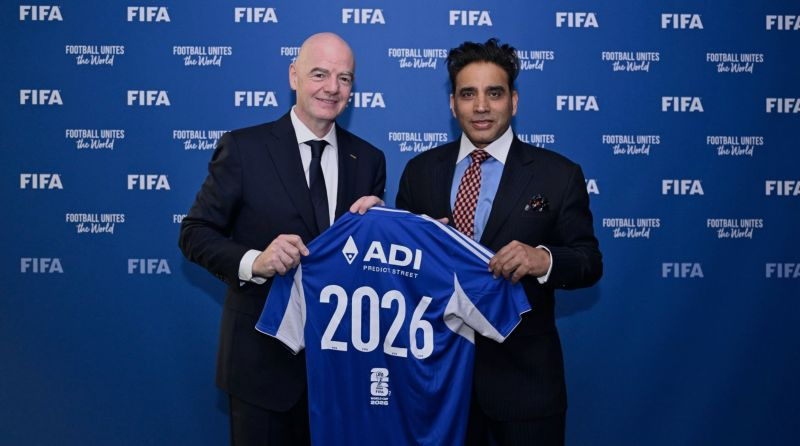
The partnership gives ADI Predictstreet access to infrastructure that has already facilitated more than $30 trillion in transaction value across the blockchain ecosystem.
A Major Win for Blockchain Adoption
Beyond the immediate FIFA connection, the announcement highlights a growing trend toward real-world blockchain applications. Prediction markets require accurate data, transparent settlement, and trusted infrastructure, areas where oracle networks play a critical role.
Chainlink currently powers a significant portion of the decentralized finance ecosystem and has established partnerships with major financial institutions and protocols, including Swift, Mastercard, UBS, Fidelity International, Euroclear, Aave, and Lido.
The FIFA World Cup partnership extends that reach into one of the world’s largest sporting audiences, potentially introducing millions of users to blockchain-powered prediction markets.
What This Means for Chainlink
For LINK holders and blockchain investors, the partnership represents another example of Chainlink’s expanding utility beyond traditional DeFi applications. As more enterprises and large-scale platforms adopt oracle services, demand for reliable data infrastructure continues to grow.
The World Cup is expected to attract more than six billion viewers and fans globally, making it one of the largest entertainment events on the planet. Successfully powering prediction markets for an audience of that scale could further strengthen Chainlink’s reputation as the industry’s leading oracle solution.
As blockchain adoption increasingly moves beyond crypto-native users, partnerships tied to global events such as the FIFA World Cup may become some of the most important catalysts for mainstream exposure.