- SpaceX shares surged around 16% on Friday, capping a roughly 23% weekly gain and moving back toward the company’s $135 IPO price.
- The rebound followed a volatile reaction to SpaceX’s first quarterly earnings report as a public company and concerns about aggressive AI spending.
- Weak U.S. jobs data helped technology and other risk assets rally as investors reduced expectations for another near-term Federal Reserve rate hike.
SpaceX shares staged a powerful rebound Friday, finishing a volatile week with one of the stock’s strongest sessions since the company’s public debut.
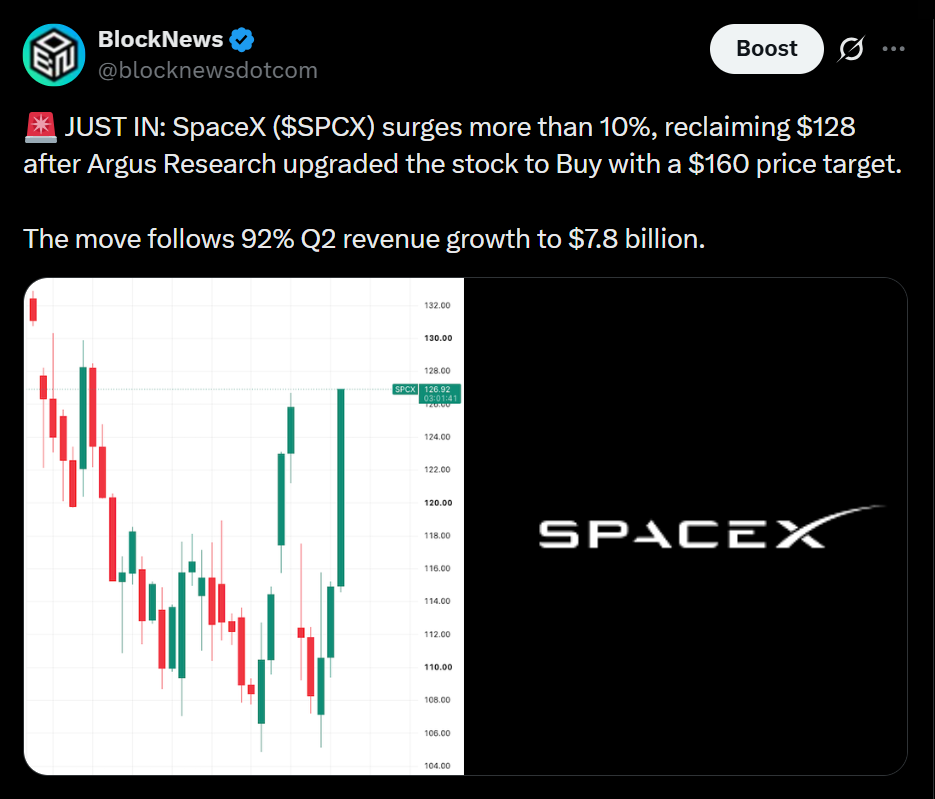
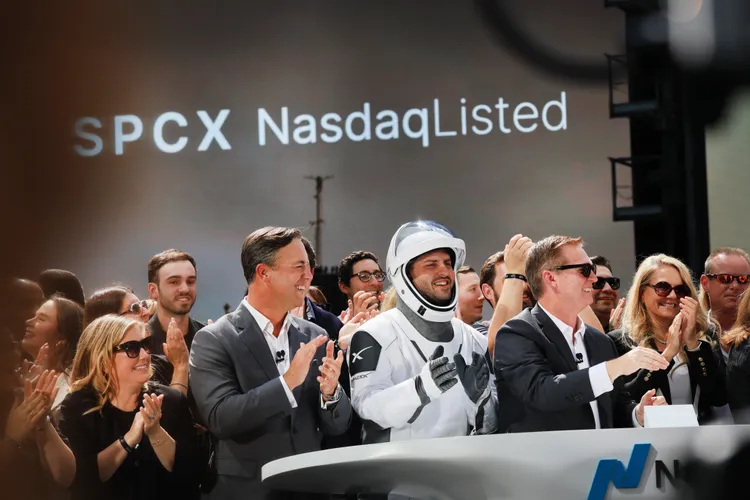
SpaceX (NASDAQ: SPCX) jumped roughly 16% during Friday trading, with shares moving back toward the $130 level and approaching the $135 IPO price established in June. The rally helped the stock finish the week approximately 23% higher, reversing concerns that had weighed heavily on shares only days earlier.
SpaceX Recovers After Earnings Volatility
Investors initially pushed SpaceX shares higher ahead of the company’s first quarterly earnings report since going public. Sentiment quickly changed after the results, however, as markets focused on management’s ambitious plans for artificial intelligence infrastructure spending.
While the company’s operating performance remained strong, its aggressive investment strategy raised concerns about how quickly AI-related capital expenditures could increase.
Investors have also been dealing with another technical pressure: the expiration of lockup agreements that allow millions of previously restricted SpaceX shares to become available for trading.
The possibility that early investors and insiders could sell portions of their holdings created an overhang for the stock, adding to volatility following earnings.
Weak Jobs Report Helps Technology Stocks Rally
Friday’s turnaround was not driven solely by SpaceX.
A surprisingly weak July U.S. employment report increased expectations that the Federal Reserve may avoid raising interest rates at its September meeting. That outlook helped push investors back toward technology stocks and other higher-risk assets.
The Nasdaq Composite moved sharply higher, while semiconductor stocks also benefited. The PHLX Semiconductor Sector Index gained approximately 2.6%, while the Roundhill Magnificent Seven ETF rose around 0.7%.
Lower expectations for additional monetary tightening can be particularly supportive for high-growth companies because lower interest rates increase the present value investors assign to expected future earnings.
AI Spending Remains a Major Question
SpaceX’s longer-term AI ambitions remain central to the investment story.
Management has outlined aggressive spending plans designed to expand the company’s AI infrastructure alongside its established rocket, satellite, and connectivity operations. While that could create significant new revenue opportunities, the amount of capital required has made investors more sensitive to spending projections.
That tension was visible throughout the week. Investors initially embraced the company’s growth story, pulled back after examining its investment requirements, and then returned as improving macroeconomic conditions boosted risk appetite.
IPO Price Becomes the Next Test
With SpaceX shares moving back toward $135, the company’s IPO price has become an important psychological level for investors.
SpaceX has not closed above that price since mid-July, meaning a sustained move beyond $135 could signal that the market is beginning to absorb concerns surrounding AI spending and the expanding supply of unlocked shares.
For now, Friday’s rally has dramatically changed the tone around SpaceX stock. Whether the momentum continues will depend on the broader technology market, upcoming Fed expectations, and investors’ willingness to look beyond short-term spending and lockup concerns toward the company’s longer-term growth potential.