
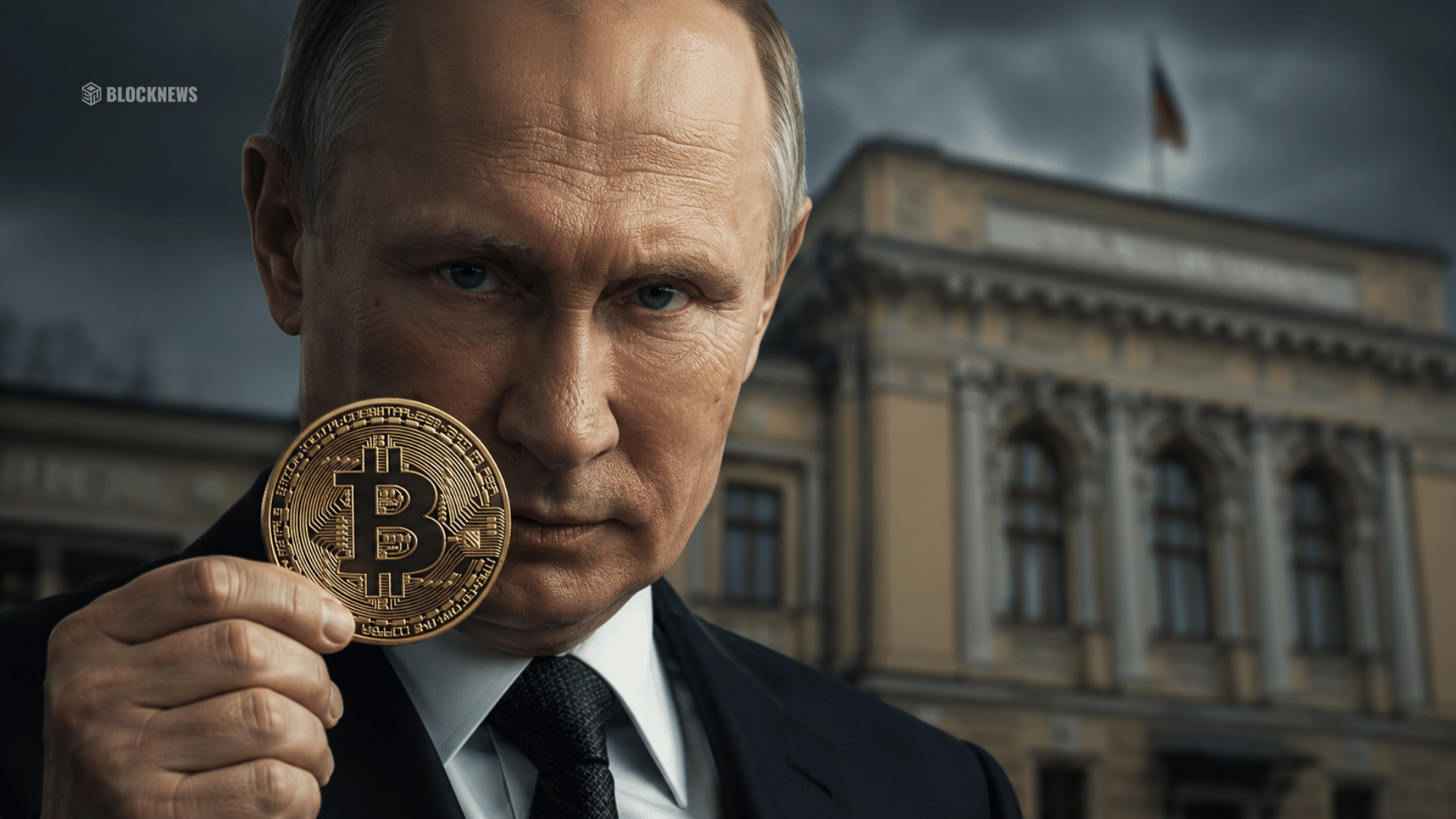
- The Bank of Russia has released draft regulations outlining the country’s first framework for regulated crypto trading and digital asset custody.
- The proposal introduces licensing and capital requirements for crypto exchanges and newly created digital depositories.
- The rules build on Russia’s recently approved crypto market legislation, which is expected to take effect later this year if enacted.
The Bank of Russia has published draft regulations that would establish the country’s first comprehensive framework for organized trading of cryptocurrencies and digital rights, marking another major step toward a regulated digital asset market.
The proposed rules outline how crypto exchanges would operate, introduce licensing standards for digital asset custodians, and establish capital requirements for firms participating in the new ecosystem.

The consultation follows Russia’s recent crypto market legislation, which created a legal pathway for regulated cryptocurrency trading while maintaining restrictions on using digital assets as a domestic means of payment.
New Rules for Crypto Exchanges
Under the draft regulations, crypto exchanges would be responsible for setting their own trading procedures through internal rulebooks.
Platforms would also be required to calculate and publish market prices and weighted average prices for the digital assets and digital rights traded on their exchanges.
The framework is designed to establish standardized trading practices while allowing exchanges flexibility in determining how their marketplaces operate.
Digital Depositories Would Hold Crypto Records
A key feature of the proposal is the creation of licensed digital depositories, which would maintain official records of cryptocurrencies and digital rights.
These entities would function similarly to traditional securities depositories by recording ownership, maintaining digital accounts, and handling post-trade settlement activities.
The Bank of Russia would oversee the official registry of approved digital depositories under the proposed framework.
Capital Requirements Introduced
The draft regulations also establish minimum capital requirements for digital depositories.
Depending on the services provided, firms would need between 50 million rubles (approximately $640,860) and 250 million rubles (approximately $3.2 million) in equity.
The central bank said the required capital must primarily consist of liquid assets, while any financial instruments used to satisfy capital requirements must meet high credit quality standards.
Similar financial requirements would also apply to electronic platform operators responsible for settling digital financial asset transactions.
Russia Continues Building Its Crypto Framework
The latest proposals come shortly after Russia’s State Duma approved legislation establishing a legal framework for regulated cryptocurrency trading.
If enacted, the broader legislation is expected to take effect in September, allowing regulated crypto trading while preserving the country’s prohibition on using cryptocurrencies for everyday domestic payments.
The newly released regulations are currently undergoing a regulatory impact assessment, with feedback expected before the Bank of Russia finalizes the framework.
Together, the legislation and accompanying regulations represent one of Russia’s most significant efforts yet to formalize oversight of the digital asset industry while bringing crypto trading under a regulated financial structure.