
- Israel struck Hezbollah-linked targets in Lebanon, prompting warning strikes and threats of escalation from Iran.
- President Donald Trump urged restraint, called for renewed negotiations, and said the strikes were not coordinated with the U.S.
- Bitcoin briefly dropped following the news but quickly recovered, showing limited reaction to the latest geopolitical tensions.
Geopolitical tensions in the Middle East intensified once again on Sunday after Israel launched strikes in Lebanon targeting what it described as Hezbollah personnel and infrastructure. The operation quickly triggered a response from Iran, which carried out what officials called warning strikes and cautioned that a broader escalation could follow if attacks continue.
The latest developments have raised concerns about regional stability at a time when many observers believed a diplomatic breakthrough might be close. Markets reacted almost immediately, although the response from crypto assets, particularly Bitcoin, was surprisingly muted compared to previous geopolitical shocks.
Israel Targets Hezbollah Positions in Beirut
The confrontation began when Israeli forces carried out strikes in southern Beirut. According to local reports, two people were killed and at least 20 others were injured during the operation. Israeli officials stated that the targeted locations were linked to Hezbollah, the Iran-backed group that has remained a central player in the ongoing regional conflict.
Prime Minister Benjamin Netanyahu defended the strikes, arguing that they were a response to earlier attacks launched against Israel. The government maintained that the operation was intended to deter future aggression and degrade Hezbollah’s operational capabilities.
However, the action immediately increased tensions across the region. What initially appeared to be a localized military response quickly evolved into a broader diplomatic and security concern involving Iran.
Iran Responds With Warning Strikes
Iran’s Islamic Revolutionary Guard Corps responded by launching what it described as warning strikes against Israel. Iranian officials emphasized that the action was meant to send a message rather than initiate a larger confrontation.
The IRGC warned that if Israeli operations continue, future responses could be significantly more extensive. That statement has fueled concerns that the conflict could expand beyond isolated exchanges and pull additional regional actors into the dispute.
While neither side has indicated an immediate desire for full-scale war, the exchange demonstrates how fragile the situation remains. A single escalation can quickly shift the balance and create new uncertainties for global markets and policymakers alike.
Trump Calls for Restraint and Renewed Negotiations
U.S. President Donald Trump confirmed that he had been briefed on the latest developments and did not hide his frustration regarding the situation.
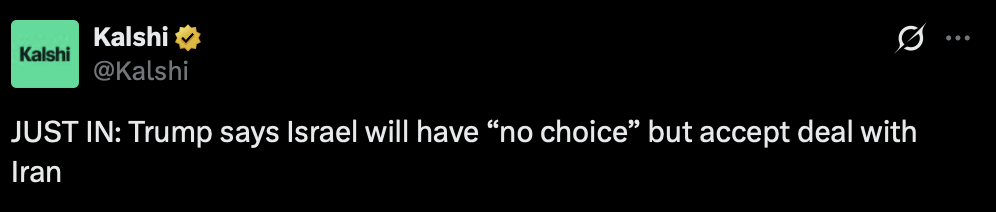
Speaking to reporters, Trump said he was “not happy” with Israel’s actions and stressed that the strikes were not coordinated with the United States. He also renewed calls for Iran to return to negotiations, arguing that diplomacy remains the best path toward a lasting resolution.
The remarks were notable because Trump had recently suggested that a permanent peace agreement was nearing completion. Just days earlier, he indicated that an announcement could potentially arrive at the beginning of the new business week, creating expectations that tensions might soon ease rather than intensify.
In one of the latest updates, Trump also revealed plans to contact Israeli Prime Minister Benjamin Netanyahu directly in an effort to discourage further retaliatory strikes.
Bitcoin Shrugs Off the Latest Escalation
While geopolitical headlines often trigger sharp reactions across financial markets, Bitcoin’s response was relatively restrained.
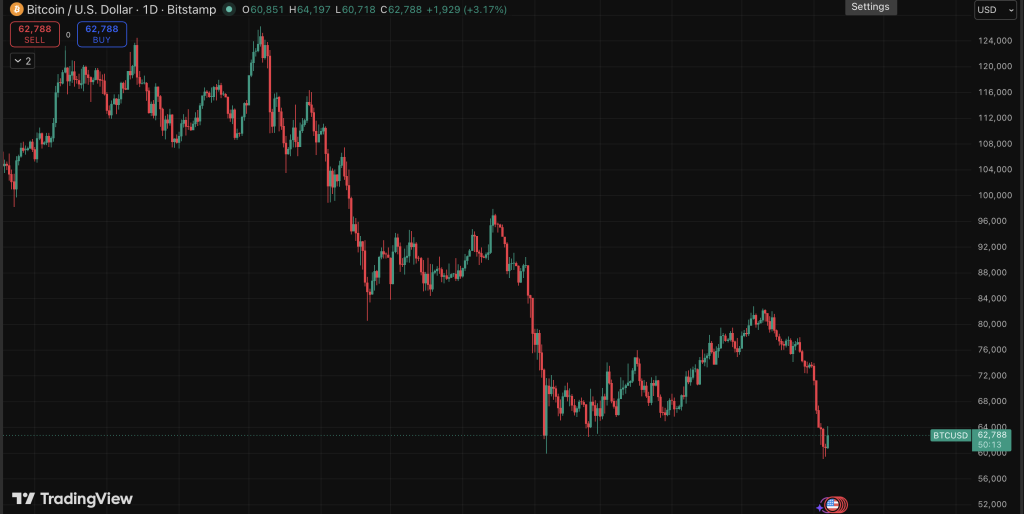
Following reports of the attacks, BTC briefly fell from above $62,000 to approximately $61,200 before recovering much of the decline. By the time traders digested the news, the cryptocurrency had largely returned to where it started.
The limited reaction suggests investors may be focusing on broader market trends rather than short-term geopolitical developments. Still, the backdrop remains challenging. Bitcoin has already fallen roughly $20,000 from its mid-May high near $82,000, leaving sentiment considerably weaker than it was just a few weeks ago.
Could Peace Become a Catalyst for Crypto?
Despite the recent volatility, some analysts believe the next major move for Bitcoin may depend less on technical indicators and more on geopolitical developments. A meaningful reduction in Middle East tensions could remove a layer of uncertainty that has weighed on risk assets throughout recent months.
For now, traders remain cautious. The conflict continues to evolve, diplomatic efforts are ongoing, and markets are waiting for clearer signals about what comes next.
Bitcoin’s ability to remain relatively stable amid escalating headlines may be encouraging for bulls. But until a lasting resolution emerges, investors are likely to keep one eye on the charts and the other on the Middle East.