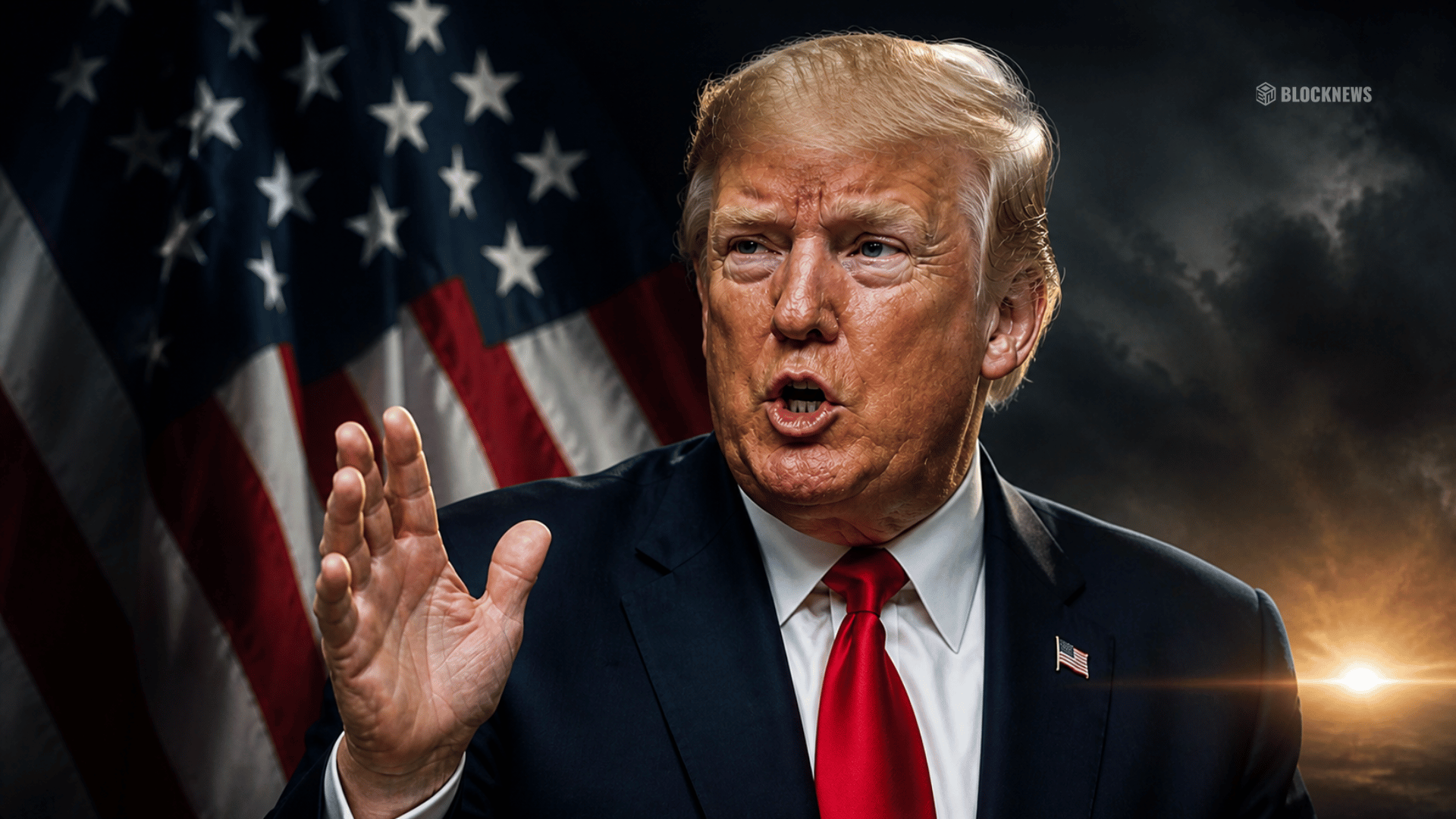
- Trump suggests staying “eight or nine years,” raising third-term speculation
- Constitutional limits remain, but political noise continues to build
- Markets may need to price in uncertainty, even if outcome is unlikely
Trump’s latest “eight or nine more years” comment landed as a joke, at least on the surface, but it’s the kind of joke that keeps coming back. And when something gets repeated enough, especially by a sitting president, markets don’t really get the luxury of ignoring it completely.
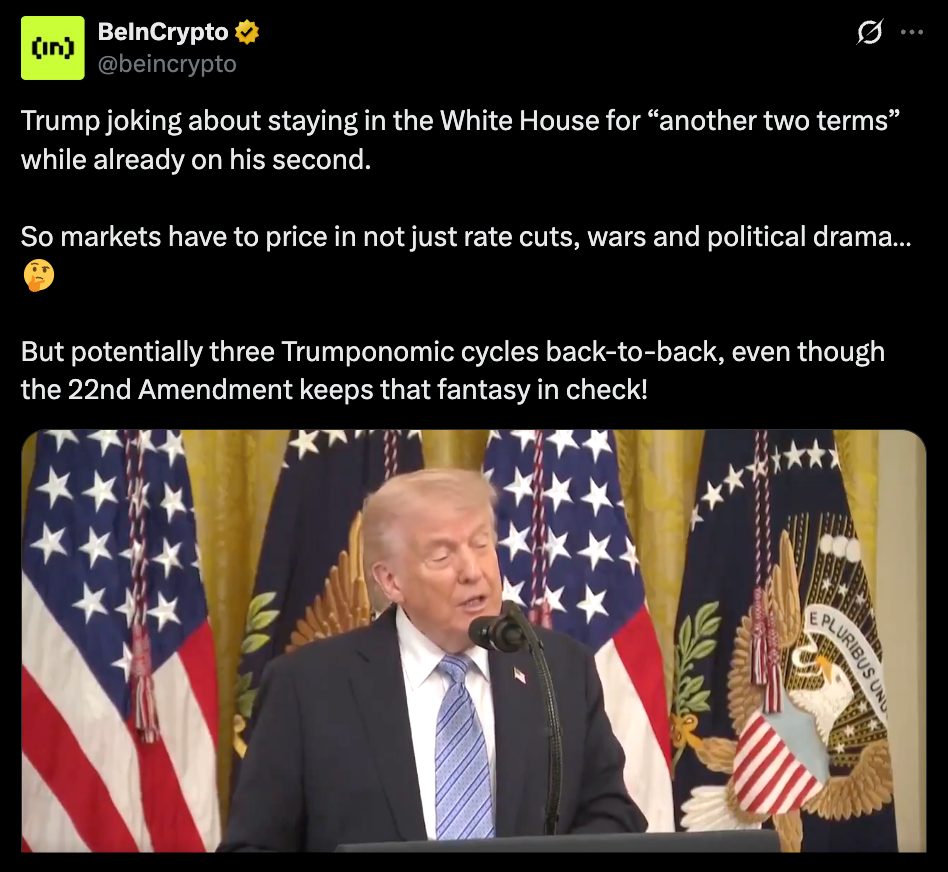
Even if the odds are low, uncertainty has a way of creeping into pricing models whether people like it or not.
A Joke That Keeps Showing Up
This isn’t the first time Trump has floated the idea of staying in power beyond the standard limits. Versions of this comment have appeared over the years, sometimes framed lightly, sometimes… less so, with references to “methods” that could make it possible.
At some point, repetition changes how these remarks are interpreted, even if they’re still delivered with a smile.
The Legal Reality Still Stands
To be clear, the 22nd Amendment limits presidents to two terms, and changing that would require a very high bar, approval from Congress and a large majority of states. That kind of process is extremely difficult, and historically rare.
So in practical terms, the probability of a third term remains very low, but not entirely dismissed in political discussions.
Why Markets Even Care
From a market perspective, the issue isn’t whether it happens, it’s whether it needs to be considered at all. Investors already deal with shifting policies, trade tensions, and regulatory changes, so adding even a small layer of political uncertainty can complicate long-term planning.
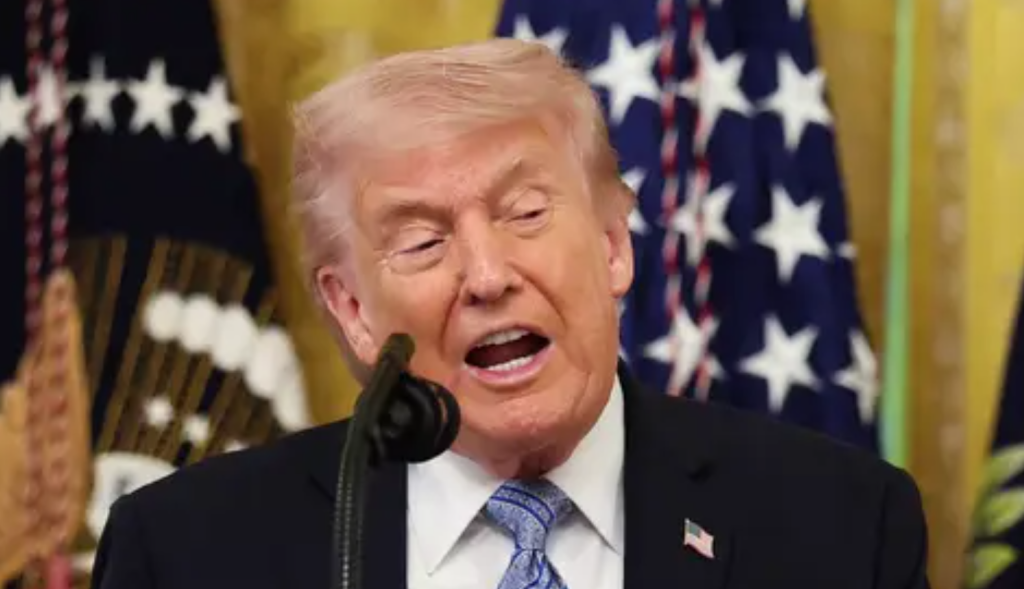
Even a low-probability scenario can influence sentiment if it carries significant policy implications.
Policy Continuity vs Policy Shock
If markets start to entertain the idea of extended leadership, even hypothetically, it raises questions about future policy direction. Would it mean continuity of current economic strategies, or another round of abrupt changes?
That kind of ambiguity is usually what markets react to, not the statement itself, but the range of possible outcomes it introduces.
Noise That Still Has Impact
In the end, this likely remains political noise rather than a real structural shift. But noise, especially repeated noise, can still affect expectations, and expectations drive markets more than certainty does.
For now, it’s not a scenario anyone is fully pricing in, but it’s also not being completely ignored, which is probably why comments like this keep getting attention in the first place.