
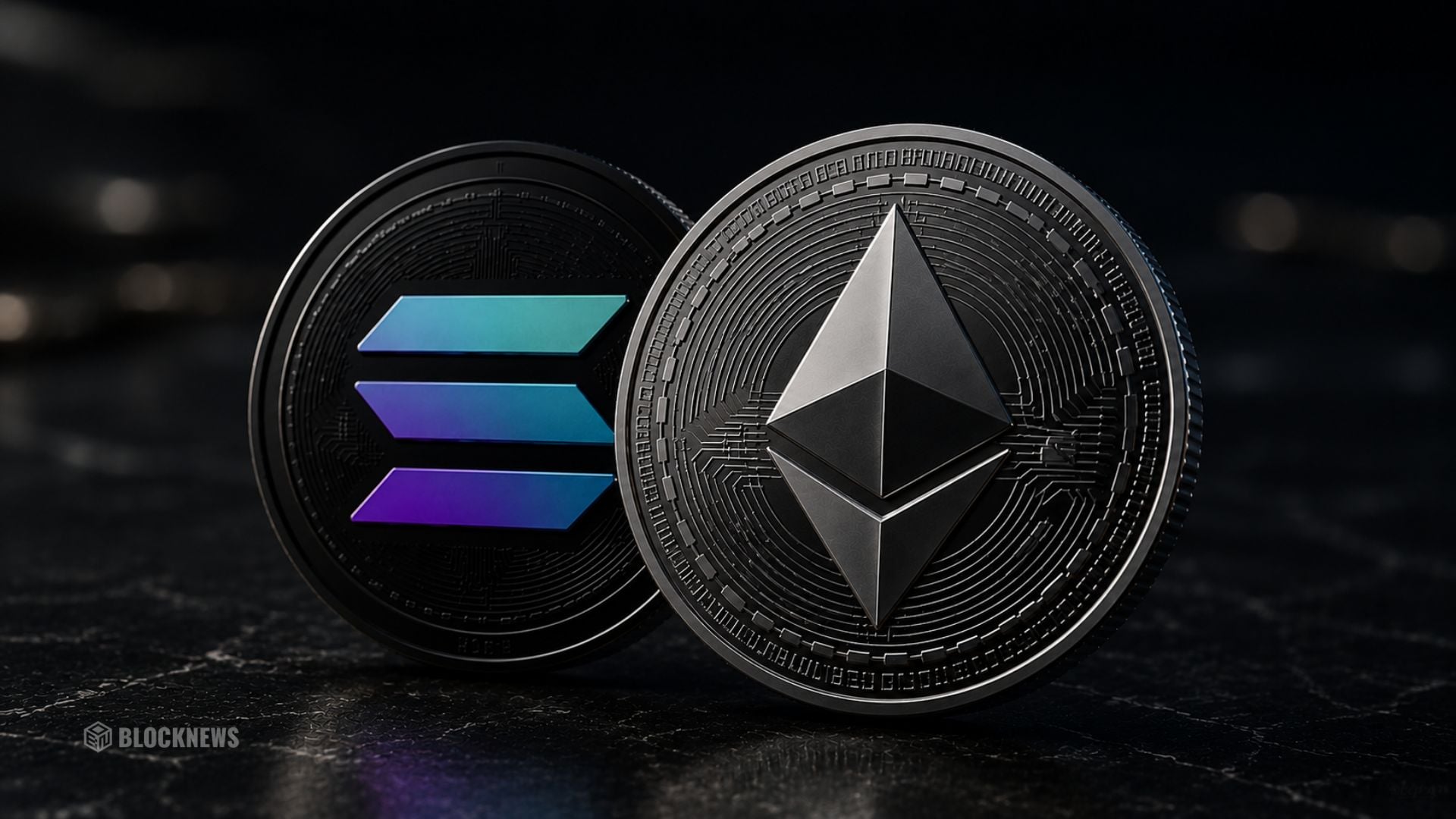
- Solana remains down heavily from its all-time high despite years of being labeled “the next Ethereum.”
- The blockchain is still strongly associated with the meme coin mania that peaked in 2024.
- Solana continues expanding into stablecoins and DeFi, giving some investors confidence in its long-term future.
Ever since Solana launched back in 2020, people have constantly called it “the next Ethereum.” The pitch sounded simple enough: faster transactions, lower fees, smoother user experience. On paper, Solana looked like everything Ethereum users had been complaining they wanted for years.
And yet… somehow Solana still hasn’t fully taken the crown.
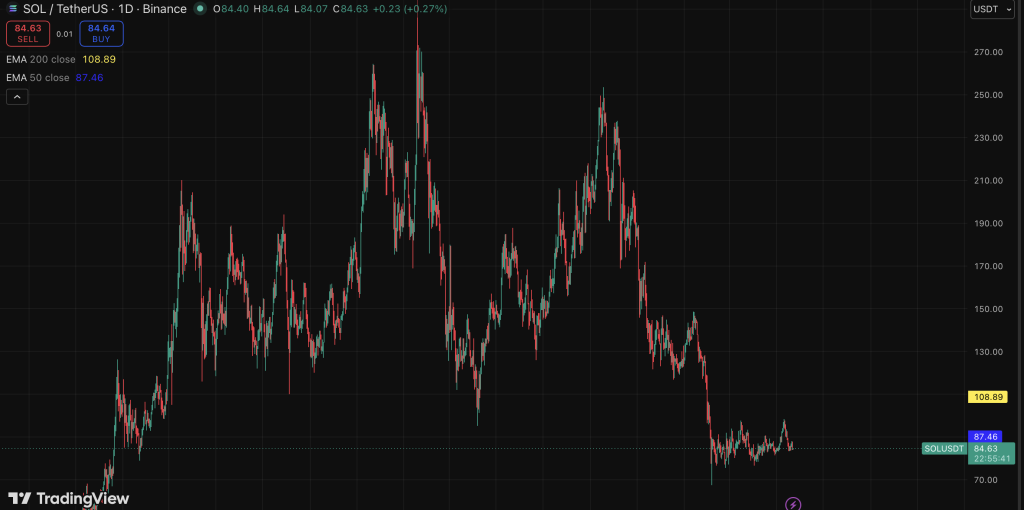
That disconnect is becoming harder for investors to ignore in 2026. Despite all the excitement around the ecosystem during previous cycles, SOL is now down roughly 32% this year and still trades nearly 71% below its all-time high reached back in January 2025. For a blockchain once expected to dominate the next phase of crypto growth, that kind of drawdown naturally leaves traders asking the same question again — why hasn’t Solana truly broken through yet?
Solana Became Tied to the Meme Coin Explosion
One major reason probably comes down to reputation. For many investors, Solana is still deeply associated with the meme coin frenzy that completely exploded throughout 2024.
At the time, the “meme coin supercycle” narrative was everywhere. New tokens launched daily, celebrities jumped into the market, influencers promoted coins nonstop, and Solana became the preferred blockchain for almost all of it because transactions were cheap and incredibly fast. Even Donald Trump eventually launched a meme coin on Solana, which only intensified the perception that the chain had become ground zero for speculative mania.
But when the meme coin bubble collapsed, a lot of that enthusiasm disappeared with it.
At its peak, the meme coin market was worth around $150 billion. Today, it sits below $40 billion, with many of the biggest tokens from that era down massively from their highs. Fair or unfair, some investors still blame Solana for becoming too connected to speculative gambling culture rather than sustainable long-term utility.
That stigma hasn’t fully faded yet.
Solana’s Mobile Crypto Vision Never Really Took Off
Another reason Solana may have struggled to meet expectations involves its ambitious mobile strategy, which once sounded revolutionary but ultimately failed to gain mainstream traction.
Back in 2022, Solana unveiled the Saga phone alongside a broader vision for a mobile-first crypto ecosystem. The idea was bold. Solana wanted to build a smartphone deeply integrated with blockchain applications, crypto wallets, NFTs, and decentralized tools all natively connected through the device itself.
The problem? Almost nobody outside hardcore crypto circles really wanted it.
At nearly $999, the Saga phone struggled to compete with established smartphone giants, especially when most regular consumers still didn’t fully understand why they needed blockchain features integrated directly into their mobile devices. Solana later introduced cheaper alternatives, but by then the excitement had cooled considerably.
In hindsight, the mobile push may have arrived too early — or maybe the market simply wasn’t asking for it in the first place.

Solana ETFs Never Created the Institutional Explosion Many Expected
A lot of bulls also believed spot Solana ETFs would completely change the game. But so far, the results haven’t matched the hype.
Eight spot Solana ETFs now trade in the United States, yet institutional adoption has remained relatively modest compared to Bitcoin’s ETF explosion after January 2024. Many expected a flood of institutional money entering SOL once regulated products became available, but that wave never really arrived at scale.
Combined assets under management across Solana ETFs currently sit around $1.1 billion. That’s not insignificant, obviously, but it looks tiny compared to Bitcoin ETFs, which attracted roughly $100 billion in under a year.
For traders hoping ETFs would instantly validate Solana as a major institutional asset class, the slower growth has been disappointing.
Solana Still Isn’t Out of the Fight
Even with all the bearish arguments floating around, it’s probably too early to completely write Solana off.
The ecosystem itself is evolving fairly aggressively away from pure meme coin speculation and toward more sustainable sectors like stablecoins, payments, and decentralized finance infrastructure. Solana has also seen rising on-chain activity recently while continuing to attract developers looking for faster and cheaper alternatives to Ethereum.
And honestly, that core advantage still matters.
Ethereum remains dominant in many areas, but Solana continues offering significantly lower transaction costs and much faster speeds, which gives it a real chance to keep pulling users and developers into its ecosystem over time. Stablecoin adoption on Solana has also expanded noticeably, especially as payment and real-world finance applications become larger priorities across crypto.
So while Solana hasn’t fully dethroned Ethereum the way early believers once predicted, the story probably isn’t over either. Right now, SOL feels less like a failed challenger and more like a blockchain still searching for its strongest long-term identity after surviving one of the most speculative periods crypto has ever seen.
And if the ecosystem keeps shifting toward real financial infrastructure instead of meme-driven hype, the market may eventually start looking at Solana very differently again.