- Coinbase CEO Brian Armstrong says the CLARITY Act is now in its strongest position ahead of Thursday’s Senate markup
- Lawmakers reportedly resolved key disputes involving stablecoin rewards, DeFi rules, and regulatory oversight
- The bill could establish the first comprehensive federal framework for US crypto markets
Coinbase CEO Brian Armstrong says the Digital Asset Market CLARITY Act is now closer than ever to becoming reality as the Senate Banking Committee prepares for a critical markup vote on Thursday.

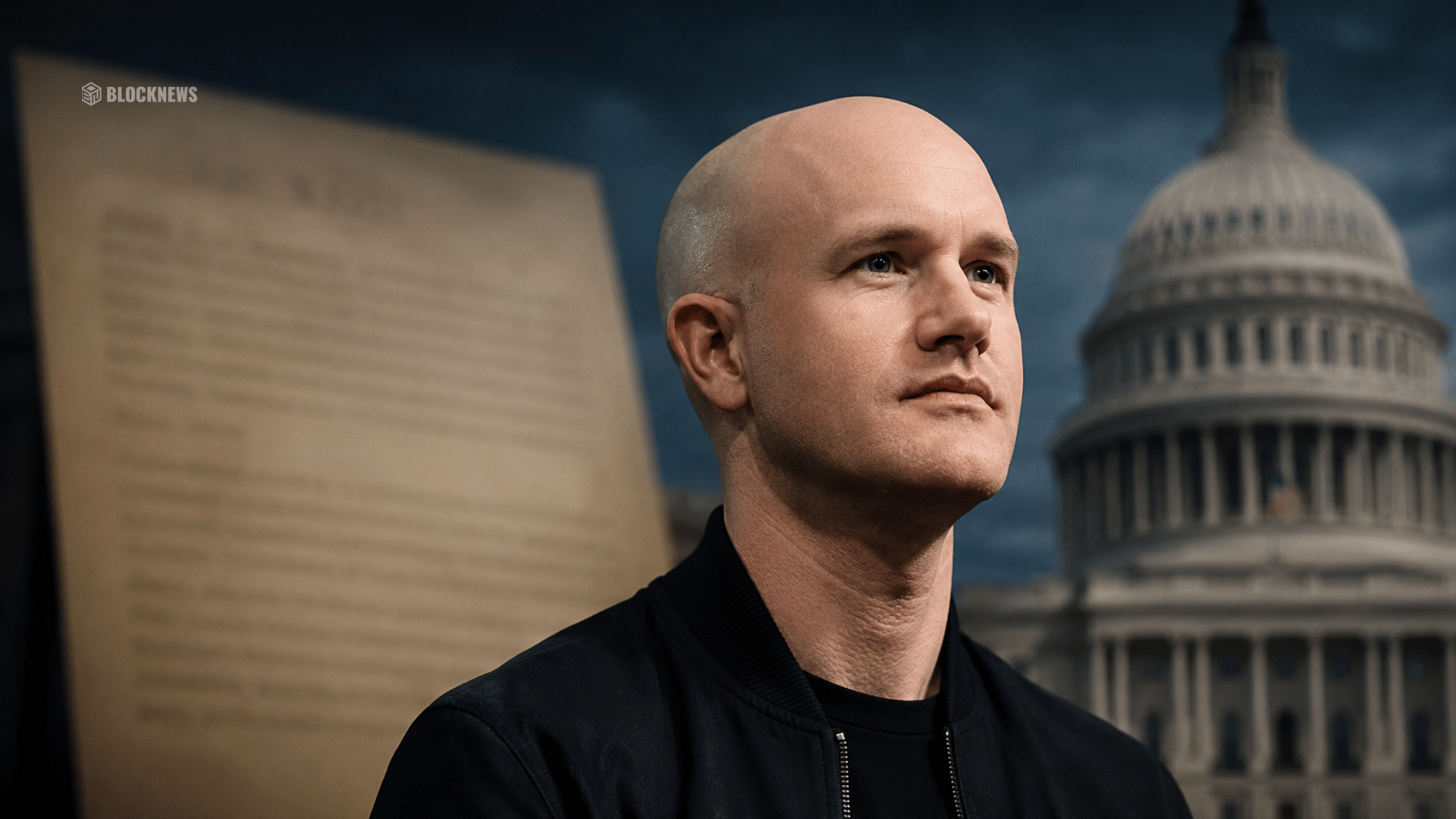
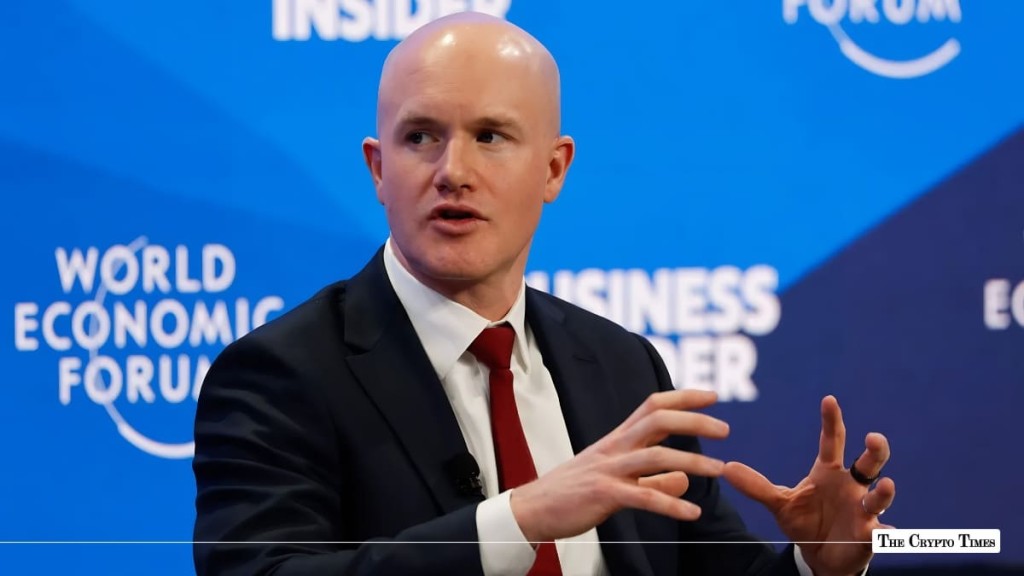
Speaking from Capitol Hill in a video posted to X, Armstrong described the legislation as “strong” after months of negotiations between lawmakers, regulators, and industry participants.
The upcoming committee markup is widely viewed as one of the most important moments yet for US crypto regulation, with the vote determining whether the legislation advances toward a full Senate debate later this year.
Crypto’s Biggest Regulatory Fight Is Narrowing
According to Armstrong, several of the most contentious issues surrounding the bill have now largely been resolved through bipartisan compromise.
That includes disputes tied to stablecoin rewards, decentralized finance provisions, tokenized assets, and the balance of authority between the SEC and CFTC.
One of the largest sticking points involved whether stablecoin issuers should be allowed to pass yield or rewards directly to users. Armstrong said lawmakers ultimately reached what he described as a “workable compromise,” noting that neither side got everything it wanted.
“Both sides left a little bit unhappy,” he admitted, “but at least we got to a place that we can all live with.”
Coinbase Has Been Deeply Involved
Coinbase has emerged as one of the most active corporate supporters of the legislation through its advocacy organization Stand With Crypto. Armstrong specifically thanked the group’s reported 3.7 million members alongside Senate staffers who helped push negotiations forward.
From Coinbase’s perspective, Armstrong said earlier concerns involving DeFi language, tokenized equities, and the scope of CFTC oversight have now been significantly improved compared to earlier drafts.
If passed, the CLARITY Act would establish a formal federal framework for crypto exchanges, brokers, issuers, and digital asset markets while defining which assets fall under SEC or CFTC supervision.
The Timing Is Complicated For Coinbase
Armstrong’s appearance in Washington also came during a difficult stretch internally for Coinbase itself.
The company recently announced plans to cut roughly 700 employees — about 14% of its workforce — as part of a restructuring effort focused on reducing costs and shifting more heavily toward AI-driven operations.
That followed a surprise quarterly loss alongside a service outage tied to Amazon Web Services disruptions that temporarily affected Coinbase systems earlier this month.
Still, Armstrong continues arguing that long-term crypto adoption and onchain finance remain inevitable, with Coinbase positioning itself to become core infrastructure inside that transition.
Thursday Could Shape Crypto’s US Future
The Senate Banking Committee is expected to debate amendments during Thursday’s markup before deciding whether to move the bill forward to the full Senate.
For the crypto industry, the stakes are enormous. A successful vote would represent the clearest sign yet that Washington is finally moving away from years of fragmented enforcement actions toward actual market structure legislation.
And honestly, after years of regulatory uncertainty, the fact crypto legislation is now this close to a real Senate process probably matters just as much as the bill’s exact wording itself.