

- Over $600M lost in recent DeFi hacks, driven mostly by basic vulnerabilities
- AI tools like Claude Mythos raise concerns but are not the current cause
- Ongoing security risks could continue to push capital out of DeFi
Things in crypto just got a bit more intense, maybe even uneasy. Earlier this month, Anthropic revealed a new AI model called Claude Mythos, describing it as potentially too dangerous for public release, which… naturally caught attention. Around the same time, roughly $600 million was drained from DeFi protocols across multiple hacks, hitting networks like Ethereum and Solana, along with the bridges connecting them.
Now, to be clear, there’s no direct link between Mythos and those hacks. The model isn’t even publicly available yet. But still, the timing has stirred up concern, and people are starting to wonder how much more powerful future tools could become, especially when current methods are already doing plenty of damage.
Recent Hacks Show Familiar Weaknesses
What’s interesting, maybe even a little frustrating, is that these recent attacks weren’t particularly advanced in a technical sense. The $285 million exploit on Solana’s Drift Protocol, for example, relied heavily on social engineering, basically tricking people into making mistakes. Nothing futuristic about that.
Same story with Ethereum’s Kelp DAO incident. That $292 million loss came from a misconfigured cross-chain bridge, not some cutting-edge AI-driven exploit. In other words, these weren’t attacks that required next-gen tools, they were more about human error and system design flaws.
So while AI like Mythos sounds intimidating, the reality is that today’s vulnerabilities are already enough to cause serious damage. And that’s where most of the risk still sits.
Capital Is Leaving, and That Matters
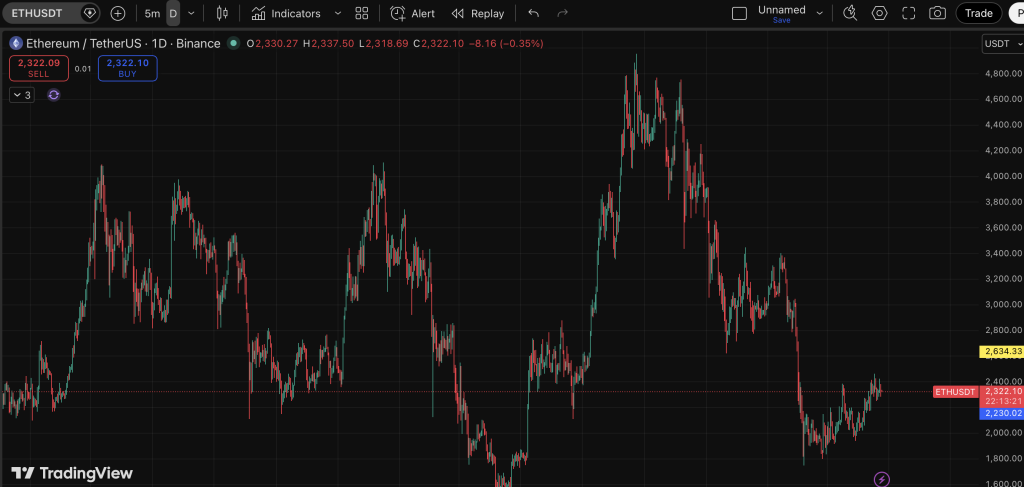
The bigger impact isn’t just the hacks themselves, it’s what happens afterward. At the start of April, DeFi held around $94 billion in total value locked. Within a few weeks, that number dropped to about $85 billion, which is a pretty sharp decline.
After the Kelp exploit alone, billions left the ecosystem in a matter of days. That kind of reaction shows how sensitive the space is to security concerns. When confidence drops, capital follows, and that hits networks like Ethereum and Solana directly since they rely heavily on DeFi activity to drive usage and, ultimately, value.

Not All Networks Carry the Same Risk
It’s also worth pointing out that not every blockchain is exposed in the same way. Bitcoin, for instance, has a much simpler design. It doesn’t support complex smart contracts or DeFi protocols, which limits the attack surface significantly. Fewer moving parts, fewer ways to break things.
Ethereum and Solana, on the other hand, made a different choice. They support highly programmable environments, which opens the door to innovation, but also to risk. Billions of dollars are tied up in smart contracts, and those contracts are written by humans, which means… mistakes happen.
And when they do, the consequences can be pretty severe.
The Real Risk Isn’t Tomorrow, It’s Now
So, is Mythos a threat? Technically, yes. A powerful AI capable of finding vulnerabilities at scale could change the game entirely. But realistically, that’s not the most immediate concern. The current risks, misconfigurations, weak security practices, and human error, are already causing significant losses.
If anything, the takeaway here is that crypto needs to strengthen its defenses now, before more advanced tools become widely accessible. Because once they are, the margin for error could shrink even further.
For investors, that probably means staying cautious. The space isn’t collapsing, but it’s definitely facing some turbulence, and it may not smooth out anytime soon.