
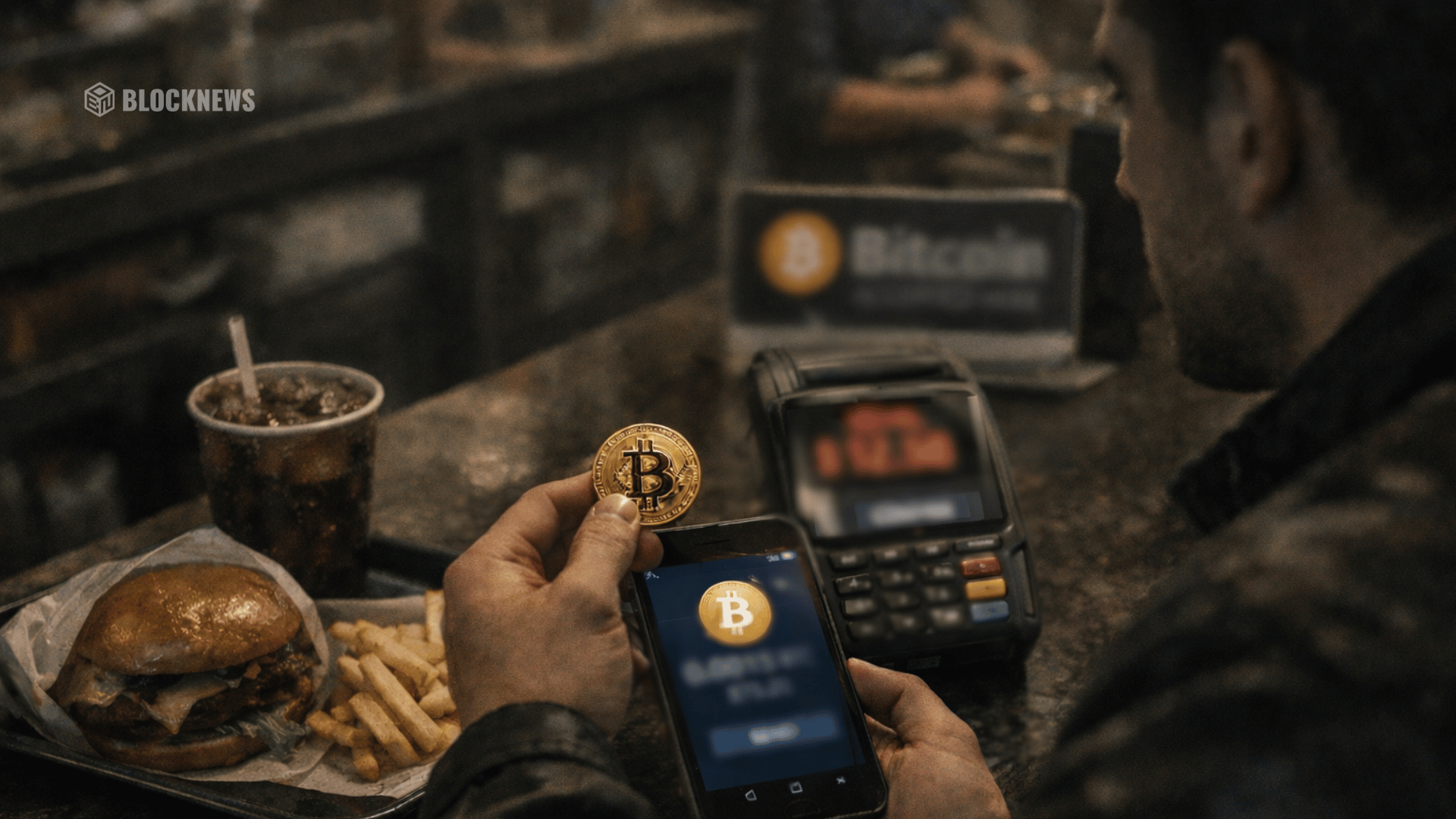
- Exempting small Bitcoin payments from capital gains could reduce tax friction.
- That change doesn’t make Bitcoin ideal for everyday spending.
- Bitcoin’s strength lies in long-term value and financial sovereignty, not convenience purchases.
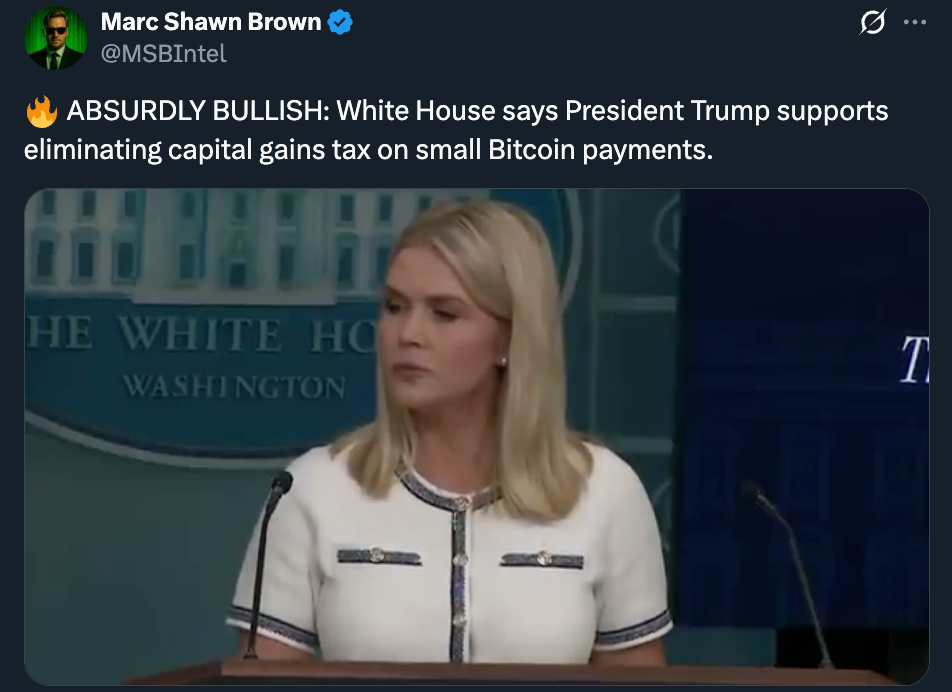
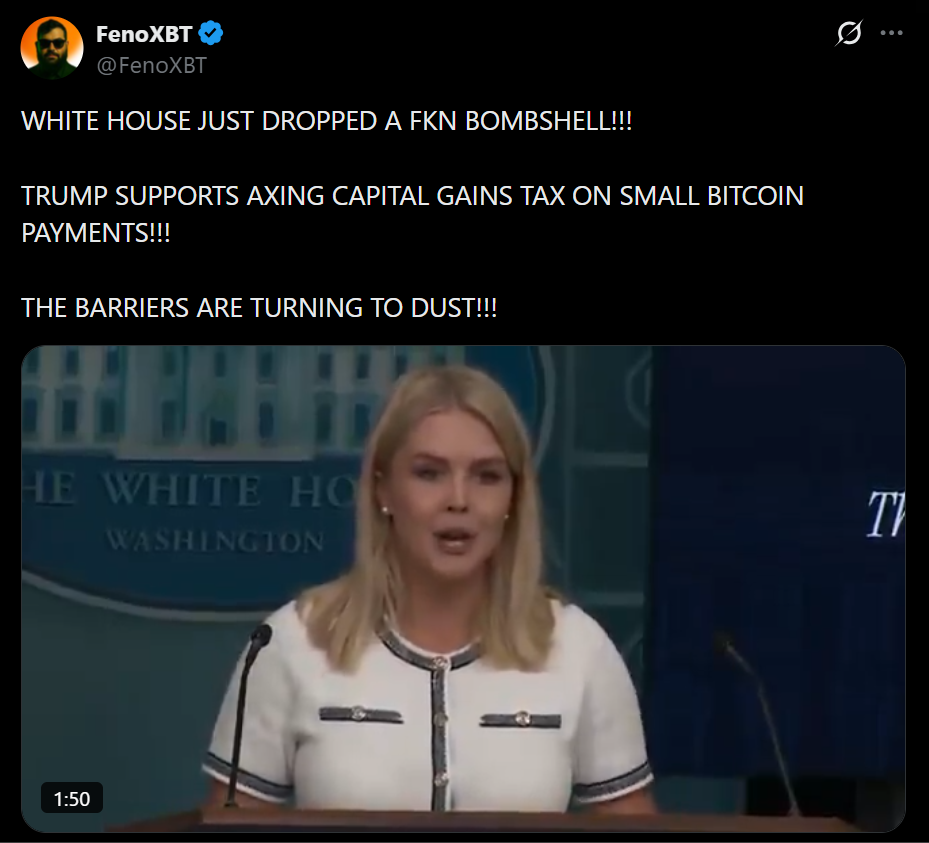
The White House recently confirmed that President Trump supports exempting small Bitcoin and crypto transactions from capital gains tax. The pitch is simple enough. If you buy a coffee with Bitcoin, you shouldn’t have to track it like a stock trade. On the surface, that sounds like progress. Less friction, less paperwork, more everyday use. But zoom out for a second, because treating Bitcoin like spare change misses what it actually does well.
Bitcoin Wasn’t Built to Be Pocket Change
Bitcoin was designed as an alternative monetary system, not a digital debit card. It’s volatile by nature, slow compared to card networks, and still wrapped in tax complexity. Even if small transactions get carved out, Bitcoin remains an asset people hold because they expect it to appreciate, not because it’s convenient at the checkout counter. Spending it casually ignores that basic reality.
Fixing Taxes Doesn’t Fix the Use Case
Removing capital gains on small payments would reduce compliance headaches, and that’s a good thing. It lowers friction and removes one of the most annoying barriers to experimentation. But it doesn’t suddenly make Bitcoin the right tool for buying lunch. If your main takeaway from Bitcoin policy is that it should replace your Visa card, you’re aiming at the shallow end of the pool. Bitcoin’s value isn’t speed or convenience. It’s sovereignty, scarcity, and optionality.
Spending Bitcoin Is Still a Trade-Off
Every time you spend Bitcoin, you’re implicitly making a bet that you won’t regret it later. History hasn’t been kind to people who treated BTC like disposable cash. Even if the tax side gets cleaner, the opportunity cost doesn’t go away. Using Bitcoin for daily purchases might feel ideologically pure, but economically, it’s still awkward.
What This Debate Is Really About
This isn’t an argument against making crypto easier to use. It’s an argument for understanding what Bitcoin is actually good at. Encouraging small-payment exemptions makes sense as policy cleanup. Framing Bitcoin as everyday lunch money does not. There are better tools for that job, and Bitcoin doesn’t need to pretend otherwise to be valuable.