
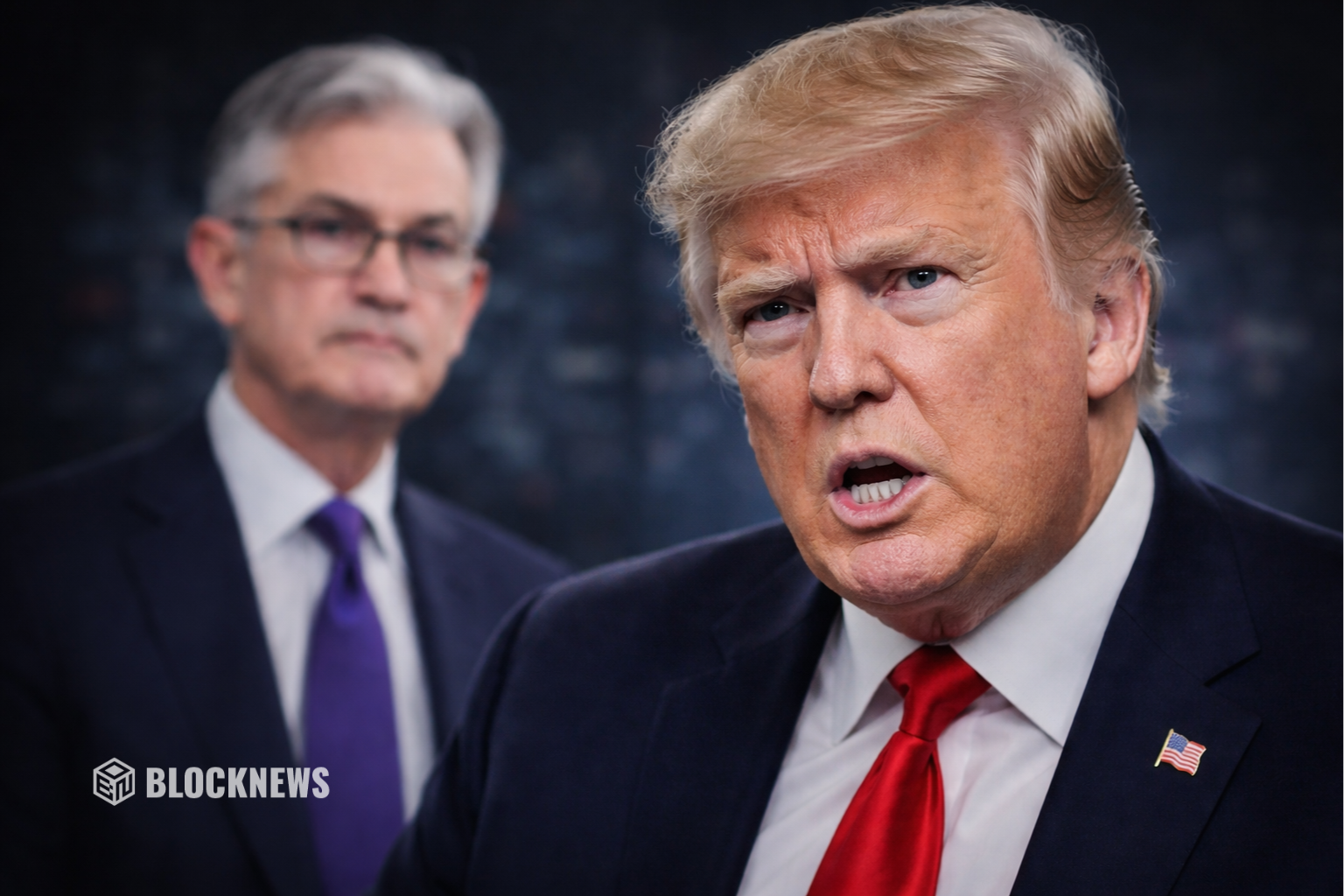
- Trump is arguing for markets-first rate policy, not inflation-first orthodoxy.
- His view flips the Fed’s usual logic on its head and that is the point.
- Whether you agree or not, this is a direct challenge to central bank dominance.
Donald Trump is not being subtle here. His argument is simple and deliberately confrontational. If markets are rising, the country is stronger. If the country is stronger, borrowing costs should fall, not rise. In his framing, the Fed does not nurture strength. It suffocates it. Every rally gets cut off at the knees by rate hikes that arrive just as confidence builds.
This is not a technical critique. It is a political one.
Markets as a Signal, Not a Threat
The Federal Reserve treats strong markets as a warning sign. Tighten financial conditions. Slow things down. Keep inflation expectations boxed in. Trump rejects that reflex entirely. He treats markets as feedback. Good news should lift prices. Bad news should hurt them. Anything else looks backwards to him, almost punitive.
That is why he keeps saying the same thing in different ways. Growth should be rewarded. Strength should compound. Instead, policy punishes momentum.
The Old Standard He Keeps Hinting At
When Trump talks about going back to an “old standard,” he is not outlining a policy blueprint. He is pointing to an era where the Fed reacted to economic stress, not preemptive fears. Rates fell because success made the system safer, not riskier.
Conclusion
You can call this reckless or refreshing. But you cannot ignore what he is really saying. The Fed is no longer a referee. It is the main character. And Trump wants to fire the director because, in his view, they kill every rally before it even gets interesting.