
- The CLARITY Act is stalled over stablecoin yield, not regulatory confusion.
- Coinbase supports regulation but opposes rules that protect bank margins.
- The core fight is over who captures yield in a digital dollar system.
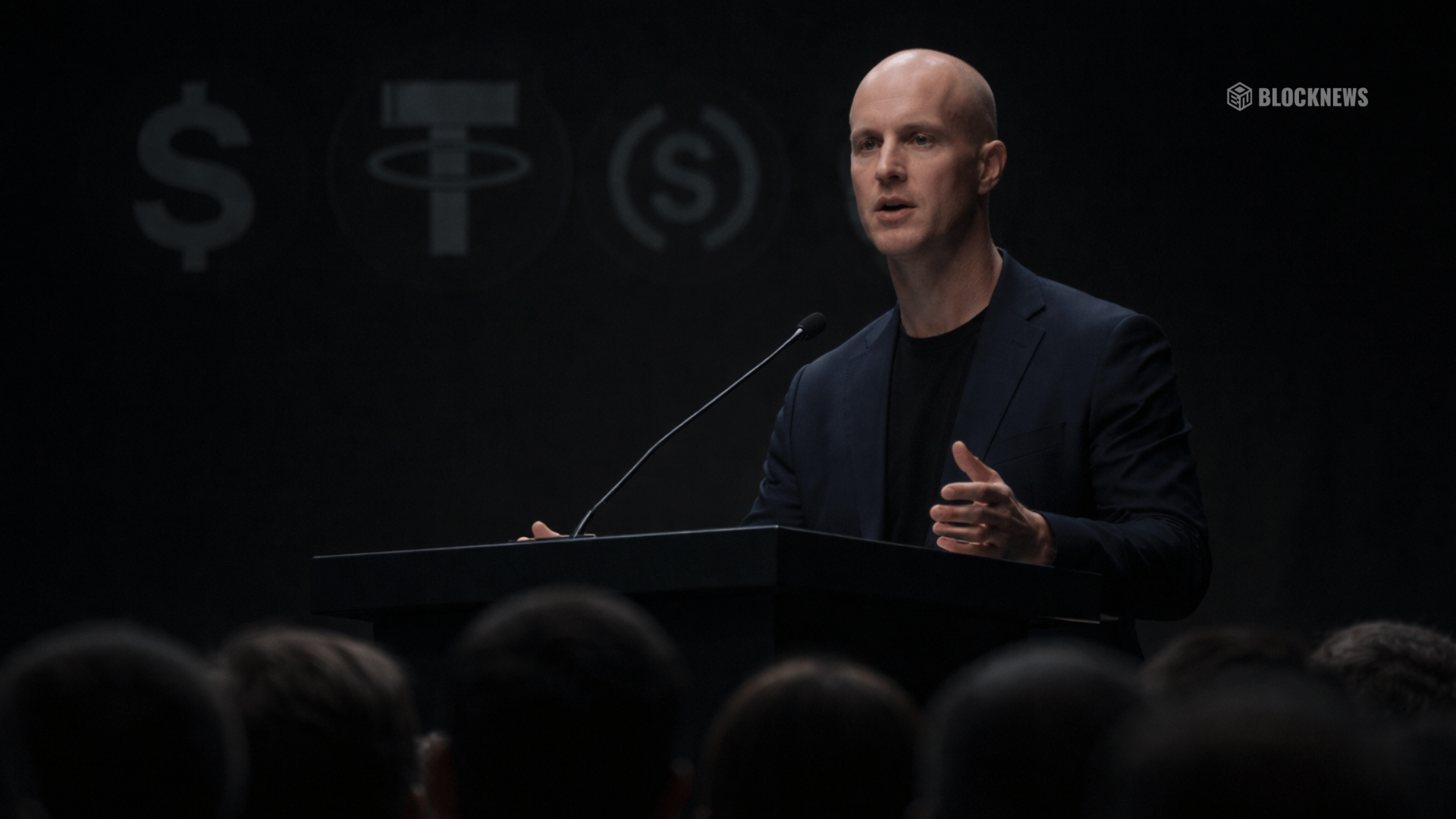
The headlines framed it as a standoff: Coinbase versus the White House, with the CLARITY Act hanging in the balance. But when Coinbase CEO Brian Armstrong says recent discussions have been “super constructive,” he isn’t retreating. He’s clarifying the fight. This was never about confusion or miscommunic+ation. It was about drawing a boundary. The bill isn’t stuck because lawmakers don’t understand crypto. It’s stuck because stablecoin yield directly threatens the traditional banking model.

Why Stablecoin Yield Is the Pressure Point
Strip away the rhetoric and the issue becomes simple. Yield on stablecoins works, and users notice. When people can earn four to five percent on dollar-backed tokens, the comparison to near-zero-yield savings accounts becomes unavoidable. Banks see deposit flight. Coinbase sees a more competitive financial system. Armstrong has been explicit that banning yield isn’t primarily about consumer protection. It’s about preserving margins in a system that wasn’t built to compete with programmable money.
Regulation or Regulatory Capture
Coinbase isn’t rejecting regulation outright. It’s rejecting regulation designed to protect incumbents. Supporting clear rules while opposing ones that freeze innovation is a narrow path, but it’s a deliberate one. Walking away from a flawed bill carries political risk, yet endorsing legislation that locks crypto into a second-tier role would be worse long term. The administration’s suggestion that it may step back from CLARITY reads less like compromise and more like leverage, a signal that alignment matters more than outcomes.

Markets Are Moving Anyway
While Washington debates, markets aren’t pausing. Prediction platforms like Polymarket still give the CLARITY Act roughly a coin-flip chance of passing this year. At the same time, tokenized assets, on-chain finance, and stablecoin usage continue to expand without explicit approval. The longer the delay, the clearer it becomes that policy is reacting to innovation, not directing it.
What This Fight Is Really About
This isn’t a dispute over tone, messaging, or bruised egos. It’s a power struggle over who earns yield in a digital dollar economy. If the CLARITY Act collapses over this issue, it won’t be because crypto refused to engage. It will be because banks couldn’t accept a form of competition that lobbying alone can’t suppress forever.