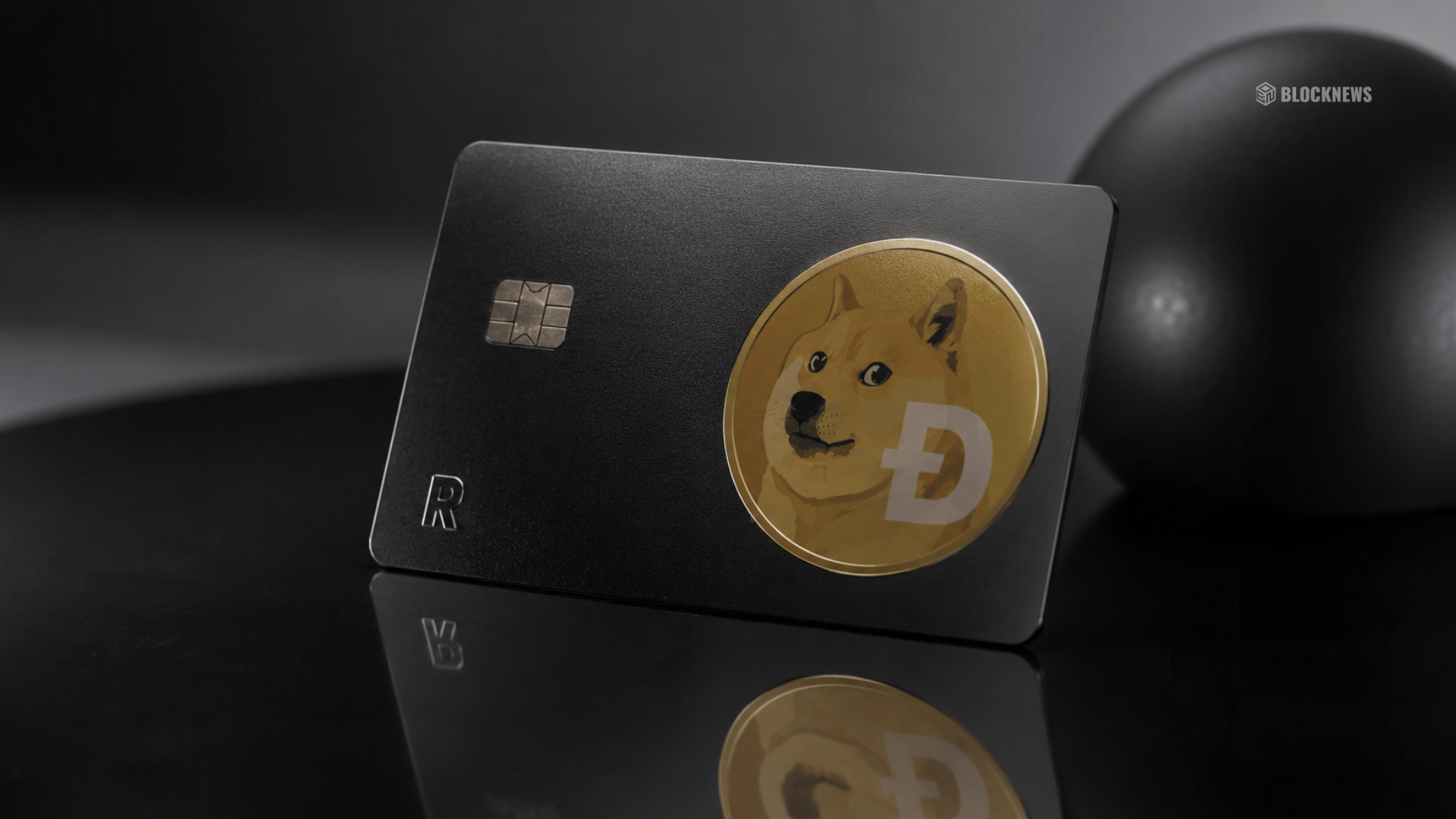
- Revolut launched its first physical crypto debit card featuring a Dogecoin design and LED payment display
- The card works anywhere Visa and Mastercard are accepted with automatic crypto conversion at checkout
- The launch comes as Revolut posts $2.3 billion in profit and expands deeper into global banking
Revolut officially entered the physical crypto card race with exactly the kind of launch you would expect from 2026 internet culture: a glowing Dogecoin debit card that lights up when you pay for things.

The company’s first crypto-focused physical card launched on May 18 and supports spending digital assets anywhere Visa and Mastercard are accepted. The card automatically converts crypto balances into the merchant’s local currency during checkout, while Revolut says users will not face additional exchange fees tied to crypto spending.
The rollout begins across the UK and European Economic Area, though Hungary, Switzerland, and Portugal are currently excluded from the launch.
Dogecoin Is Somehow Still Winning
The decision to build the launch around Dogecoin feels both ridiculous and strangely logical at the same time. DOGE started as a joke over a decade ago, yet it remains one of the most globally recognizable cryptocurrencies, particularly among retail users and mainstream audiences.
Now it has a glowing debit card attached to one of Europe’s largest fintech companies. Crypto really does refuse to behave normally.
Still, using crypto for daily spending is not entirely frictionless. Transactions remain subject to real-time exchange rate fluctuations, and in many jurisdictions every purchase may technically trigger taxable events tied to capital gains calculations.
Buying coffee with DOGE sounds fun until tax season arrives with questions.
Revolut’s Bigger Ambitions Matter More
The card itself is flashy, but the bigger story is Revolut’s broader financial expansion. The company reported roughly $2.3 billion in profit on $6 billion in revenue during 2025, fueled by strong growth across subscriptions, card payments, and international user adoption.

Its U.S. customer base alone reportedly surged more than 230% over the past year.
At the same time, Revolut secured a full UK banking license earlier this year and has already applied for a U.S. banking charter as it pushes further into becoming a global financial super app rather than just a fintech startup.
Crypto Cards Are Quietly Becoming Infrastructure
Revolut’s move also reflects a much larger trend happening across crypto markets. Coinbase, Binance, Gemini, MetaMask, and several stablecoin-focused firms have all expanded crypto card offerings recently as digital asset payments become more integrated with traditional financial systems.
Rather than convincing merchants to directly accept crypto, these platforms handle conversion behind the scenes, making crypto spending functionally invisible to retailers while users continue holding digital assets inside app ecosystems.
The result is that crypto payments are slowly shifting away from novelty experiments and closer toward actual consumer infrastructure.
And honestly, a glowing Dogecoin card might end up being remembered less as a gimmick and more as another strange milestone in that transition.