- Polymarket traders see an 87% chance the Fed holds rates steady in 2026.
- A rate pause often supports consolidation rather than sharp moves in crypto.
- Historically, pause phases have preceded stronger upside later in the cycle.
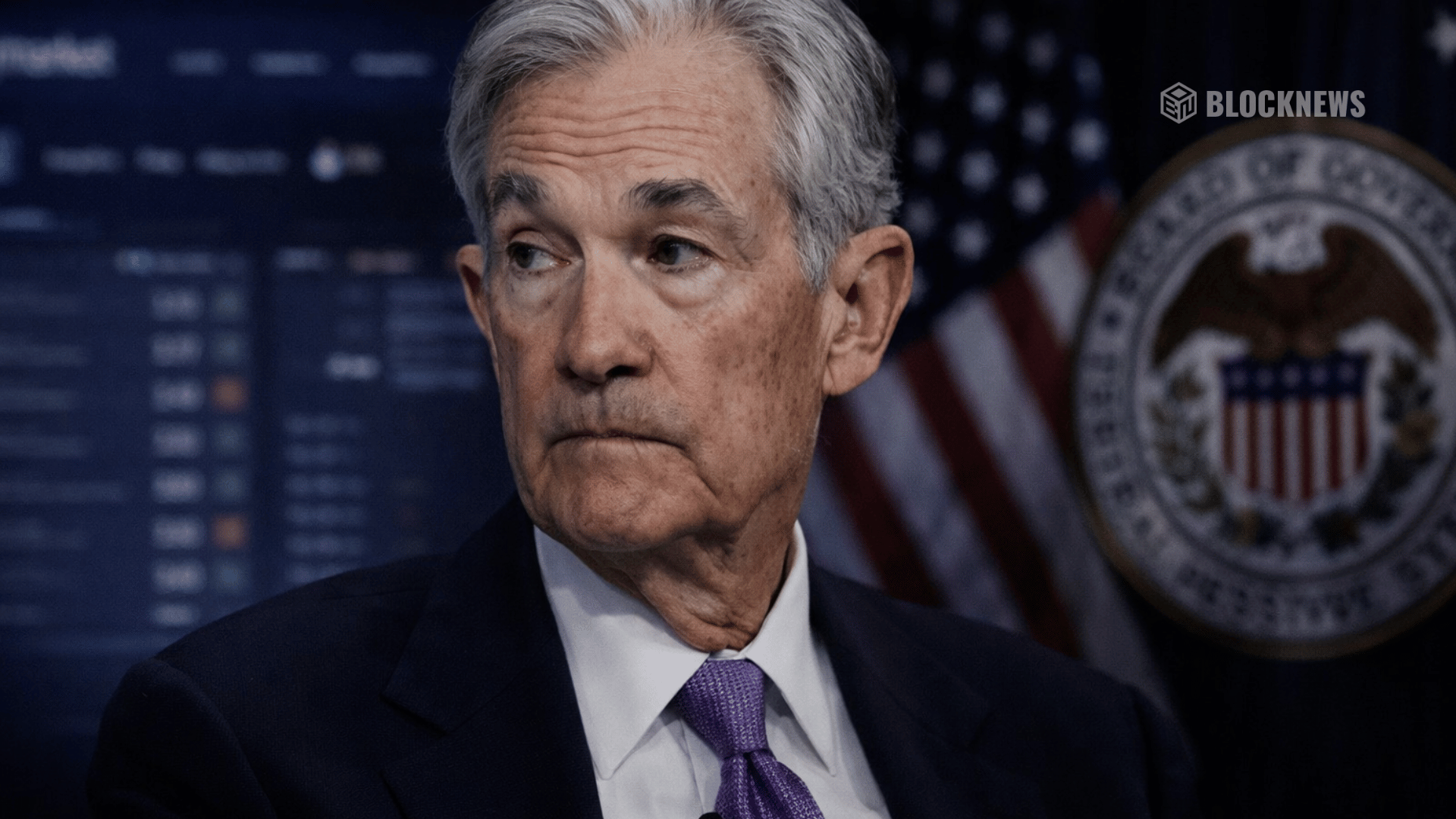
Prediction markets often move faster than traditional headlines, and right now they’re sending a clear message about U.S. monetary policy. Data from Polymarket shows traders are heavily betting that the Federal Reserve will keep interest rates unchanged throughout 2026. The implied probability for a rate pause sits near 87%, with only a small chance priced in for cuts and virtually no expectation of hikes.

That outlook matters more than it might seem. For crypto markets, a Fed pause is rarely neutral. It tends to shape behavior, risk appetite, and capital flows long before any actual policy shift takes place.
What Polymarket Is Pricing In
Polymarket’s current probabilities paint a tight consensus. Roughly 87% of traders expect no change in rates, while about 13% see a modest 25-basis-point cut as possible. Larger cuts or renewed tightening barely register. In practical terms, markets are bracing for stability rather than stimulus or restriction.
This setup suggests inflation is seen as controlled enough to avoid hikes, yet economic conditions still appear fragile. Traders seem to believe the Fed will choose to wait, watch, and avoid forcing the issue either way.

Why a Fed Pause Isn’t Neutral for Crypto
Crypto reacts more to expectations than to decisions themselves. A pause typically signals that the tightening cycle is effectively done, liquidity conditions are no longer deteriorating, and policymakers are focused on managing downside risks. That mix doesn’t usually spark instant rallies, but it often removes the fear of sudden macro shocks.
For digital assets, this kind of environment tends to encourage base-building rather than panic selling or euphoric breakouts. It’s a period where volatility cools and positioning becomes more deliberate.
How Crypto Has Behaved During Past Pauses
History offers a useful reference. Ahead of rate pauses, crypto markets often struggle with sharp swings and uncertainty. Once a pause is in place, prices frequently settle into accumulation ranges. It’s only after easing becomes more likely or confirmed that sustained upside momentum tends to appear.
Bitcoin and Ethereum have both shown this pattern in previous cycles, bottoming or consolidating during pause phases before moving higher later on.
Bitcoin and Ethereum in a Pause Environment
Bitcoin usually responds first, benefiting from reduced macro pressure and less dollar strength. Ethereum often follows with a delay, as risk appetite gradually returns and capital rotates into higher-beta assets. A pause doesn’t guarantee higher prices, but it does lower the odds of aggressive downside, especially when liquidity remains steady.
What This Could Mean for 2026
If Polymarket’s consensus holds, 2026 may shape up as a calmer, more selective year for crypto. Fewer macro shocks, slower but steadier inflows, and targeted rallies rather than broad speculative surges could define the landscape. In that kind of market, patience tends to outperform leverage.