- Musk’s courtroom comments link crypto to the OpenAI legal battle
- Dogecoin gains follow Musk’s mixed but influential crypto remarks
- Tesla’s past Bitcoin moves highlight missed gains and ongoing volatility
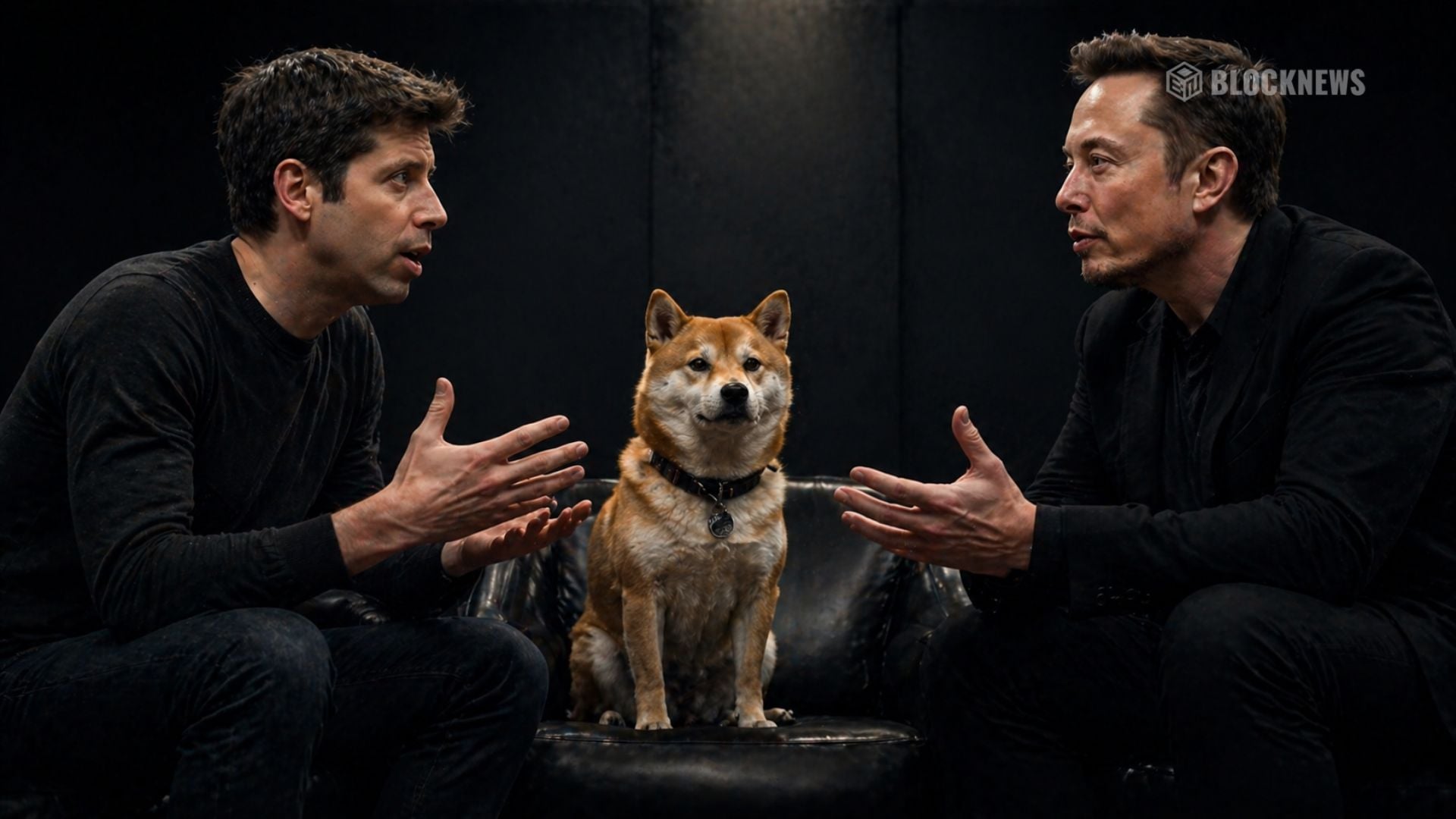
The ongoing back-and-forth between Elon Musk and Sam Altman isn’t just a personal rivalry anymore, it’s slowly turning into something bigger, messier even. What started as a dispute over OpenAI’s direction has now spilled into conversations about artificial intelligence, corporate control, and oddly enough, crypto markets too. And in a recent courtroom exchange, Bitcoin and Dogecoin somehow found their way right into the spotlight. It’s a strange overlap, but then again, nothing about this situation feels particularly straightforward.
Dogecoin Moves As Musk Weighs In On Crypto
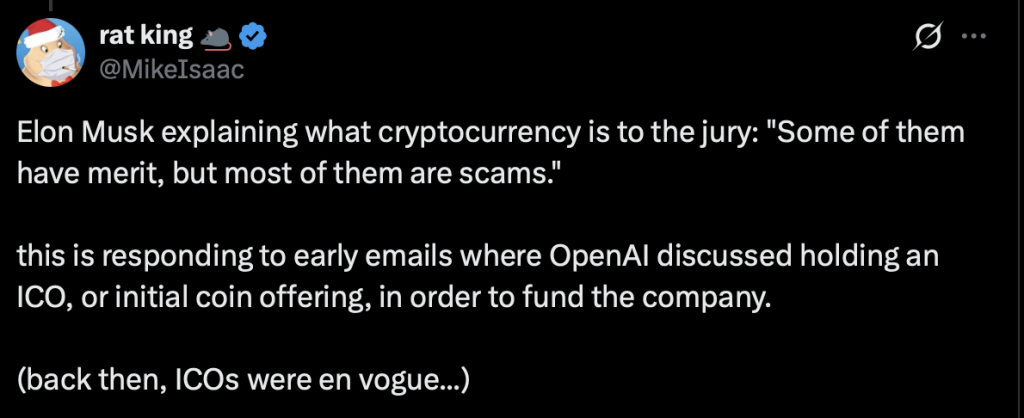
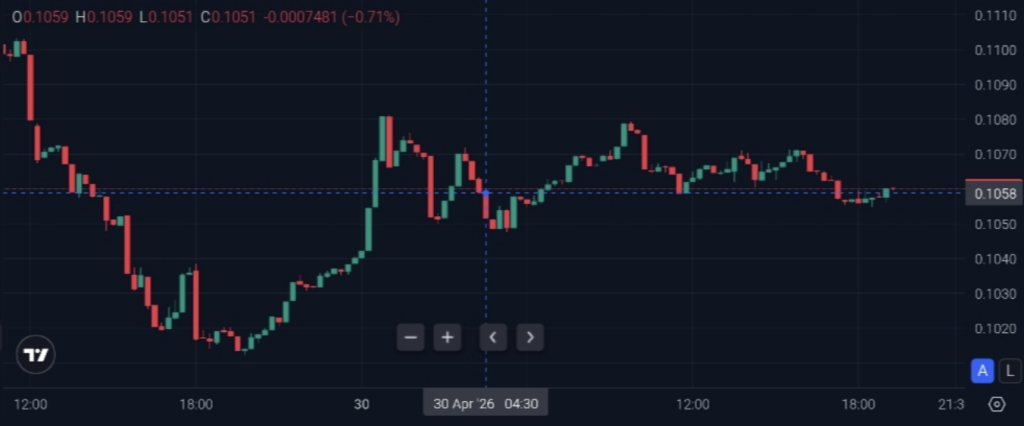
During questioning in an Oakland courtroom, Musk was asked about cryptocurrency, especially in the context of OpenAI’s early funding ideas. His response was, well, classic Musk, saying some cryptocurrencies have real value, but most are scams, which isn’t exactly a new take from him. Still, the market seemed to focus on the first part of that statement, not the second. Dogecoin, in particular, reacted positively, climbing close to 5% on April 30 and holding gains near $0.1060 shortly after, almost as if traders heard what they wanted to hear.
It probably helps that Musk has a long history with DOGE, even if it’s been inconsistent at times. His comments tend to stir attention, retail interest follows, and then price reacts, it’s a pattern we’ve seen more than once. Even a somewhat neutral statement can tilt sentiment, especially in a market that’s already looking for signals.
OpenAI’s ICO Past Adds Fuel To The Fire
What really caught attention in court, though, was the mention of a 2018 idea that OpenAI might have considered funding itself through an ICO. Back then, token sales were everywhere, raising huge amounts of capital, even if many of those projects didn’t quite deliver in the end. The plan, according to discussions, was part of a broader strategy to support long-term research through a hybrid model, blending nonprofit roots with commercial funding.
Musk, however, isn’t buying the narrative. He’s argued that OpenAI drifted from its original mission, especially after partnering with Microsoft and monetizing its technology more aggressively. At one point, he described it as “stealing a charity,” which is… a strong way to put it. OpenAI pushed back, saying structural changes were always expected and that Musk himself had supported ideas involving revenue generation, including commercial paths.
Musk’s Crypto Track Record Still Shapes Markets
Zooming out a bit, Musk’s relationship with crypto has always been a bit complicated, sometimes supportive, sometimes skeptical, often both at once. Back in 2021, Tesla’s $1.5 billion Bitcoin purchase helped legitimize crypto in the eyes of institutional investors, at least for a while. Around the same time, Musk’s tweets played a major role in pushing Dogecoin into the mainstream, driving price spikes fueled largely by retail excitement.
But that enthusiasm didn’t last in the same way. Tesla later sold about three-quarters of its Bitcoin holdings in 2022, well before BTC surged past $125,000 in 2024, meaning the company missed out on significant upside. More recently, filings showed Tesla recorded a $222 million markdown on its Bitcoin in Q1 2026, leaving its remaining 11,509 coins valued at around $786 million. It’s a reminder that even high-profile bets in crypto don’t always play out cleanly, and timing, as always, matters more than people like to admit.