- Crypto fell in 2025 despite three Fed rate cuts
- A rate pause in early 2026 could pressure BTC and ETH
- Stealth liquidity measures may help stabilize prices
Despite three Federal Reserve rate cuts in 2025, crypto markets moved sharply lower instead of rallying. As investors look ahead to March 2026, uncertainty around further easing and liquidity conditions is shaping expectations for Bitcoin, Ethereum, and the broader market.
Why Crypto Fell Despite Multiple Rate Cuts
The Federal Reserve lowered interest rates three times in 2025, largely in the final quarter, as unemployment rose and inflation showed clearer signs of cooling. Historically, this kind of monetary easing would support risk assets, yet Bitcoin, Ethereum, and major altcoins sold off instead. Total crypto market capitalization dropped by more than $1.45 trillion from its October high, highlighting how fragile sentiment has become.
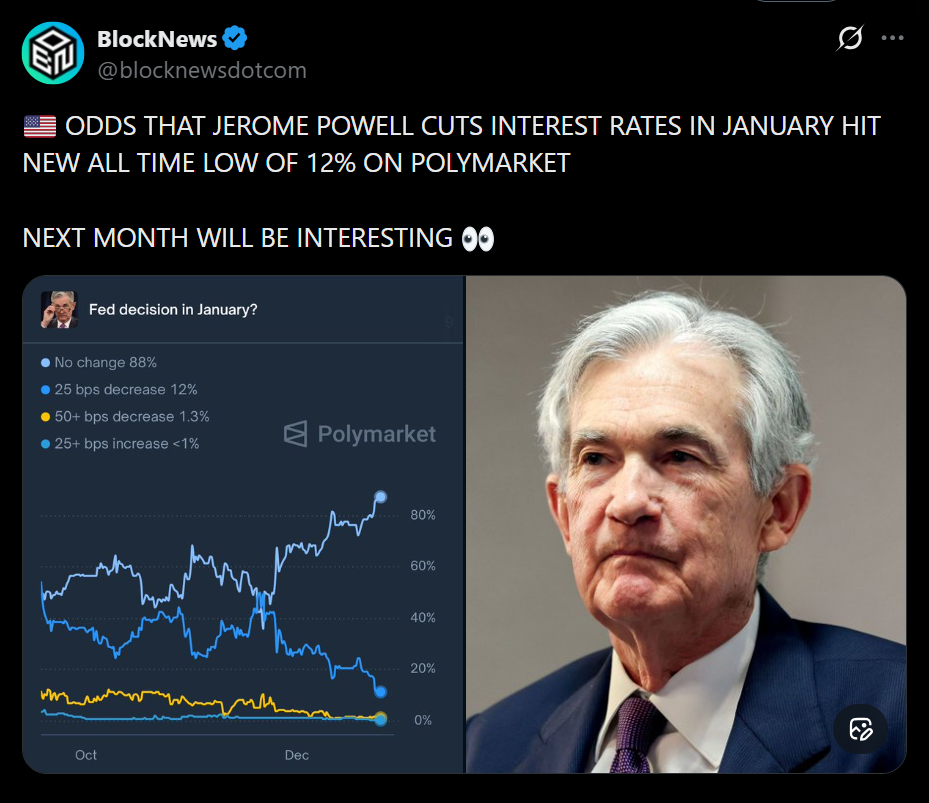
Much of the weakness stems from how the Fed framed those cuts. Policymakers consistently emphasized caution and data dependence, signaling that easing was more about managing downside risks than stimulating growth. For crypto traders, that distinction mattered, as it reduced confidence that liquidity conditions would materially improve.
Why a Fed Pause Could Pressure Bitcoin and Ethereum
Looking ahead to early 2026, the biggest risk for crypto is a prolonged pause in rate cuts. Fed officials, including New York Fed President John Williams, have stated there is no urgency to ease further until inflation convincingly moves toward the 2% target. That messaging has left markets skeptical about near-term support for risk assets.
If rates remain unchanged through the first quarter of 2026, some analysts believe Bitcoin could revisit the $70,000 level, while Ethereum could slide toward $2,400. Adding to the uncertainty, recent inflation data may be distorted by the government shutdown, making it harder for investors to assess the true health of the economy.
How Stealth Liquidity Could Still Support Crypto
While headline rate cuts may stall, the Fed has already taken steps that could quietly help markets. In December, the central bank ended quantitative tightening and shifted to fully reinvesting maturing securities. It also began Reserve Management Purchases, buying roughly $40 billion in short-term Treasury bills to stabilize bank reserves.
This approach, often described as stealth quantitative easing, is far smaller than the massive liquidity injections seen in 2020 and 2021. Still, if these purchases continue into early 2026, they could gradually improve liquidity conditions and help prevent deeper crypto sell-offs, even without additional rate cuts.
What to Watch as March 2026 Approaches
Crypto’s direction into March 2026 will likely depend more on liquidity and inflation clarity than on rate headlines alone. A firm pause without balance-sheet support could keep pressure on prices, while continued reserve injections may help stabilize the market. For now, the disconnect between Fed easing and crypto performance reflects a cautious environment where confidence remains fragile.