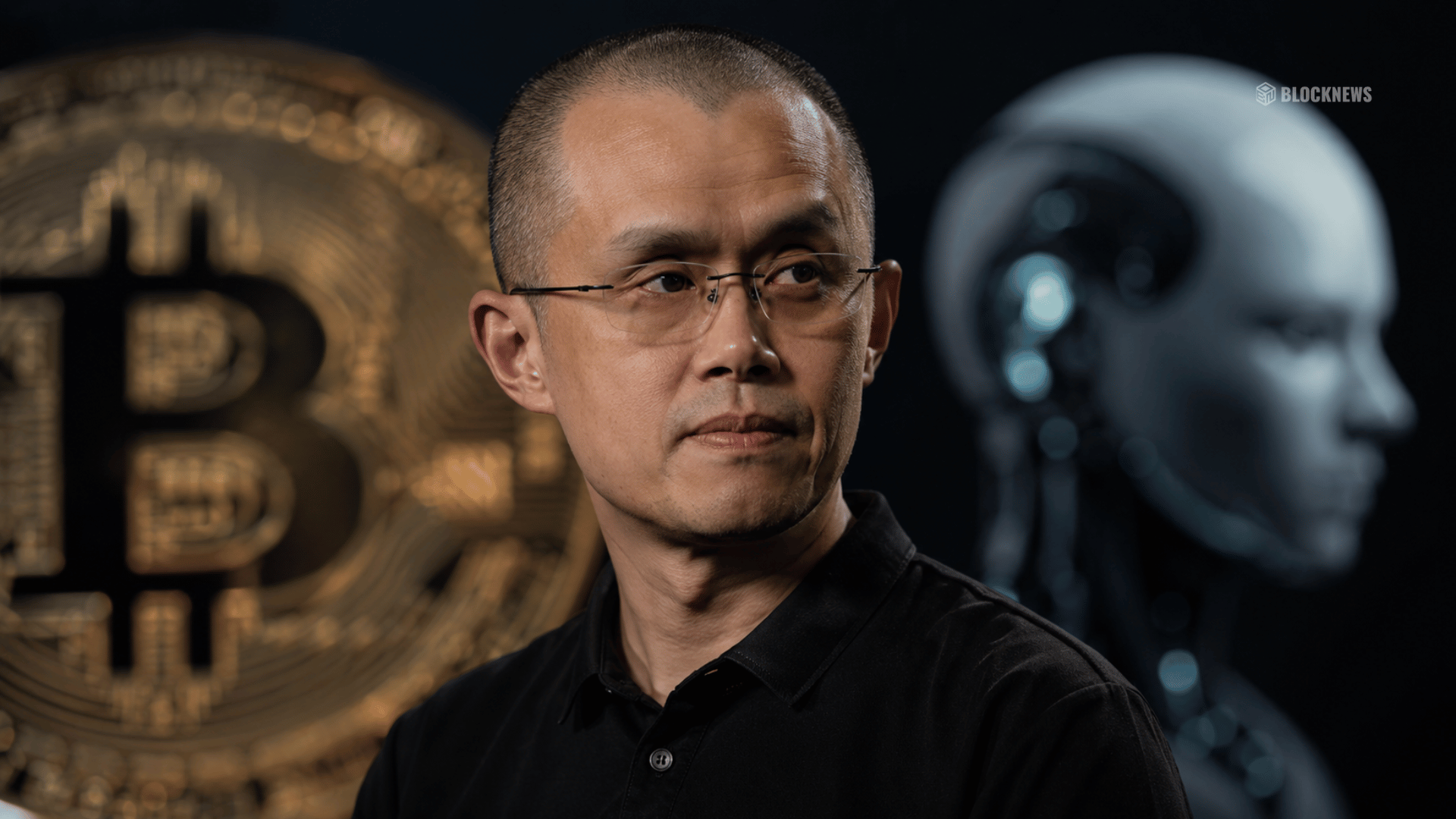
- Binance co-founder Changpeng Zhao says Bitcoin and artificial intelligence serve different investment purposes.
- Zhao believes Bitcoin offers inflation protection, while AI provides growth opportunities without acting as a monetary hedge.
- Bitcoin has recovered above $65,000 as softer U.S. inflation data improves sentiment toward risk assets.
Binance co-founder Changpeng Zhao (CZ) has weighed in on the growing debate over whether investors should favor Bitcoin or artificial intelligence, arguing that the two represent fundamentally different investment opportunities rather than direct competitors.
According to Zhao, Bitcoin’s primary strength lies in its ability to protect purchasing power against inflation, while AI investments are largely focused on capturing long-term technological growth. As more capital flows into artificial intelligence companies, some investors have questioned whether crypto could lose market share, but CZ believes both sectors can expand simultaneously.

His comments come as Bitcoin climbed back above $65,000, supported by softer-than-expected U.S. inflation data that reduced concerns over additional monetary tightening.
Bitcoin and AI Serve Different Purposes
Zhao explained that although both Bitcoin and AI compete for investment capital, they solve different problems for investors.
Bitcoin is widely viewed as a scarce digital asset that can act as a hedge against inflation and currency debasement. AI, by contrast, is driven by expectations of productivity gains, innovation, and corporate earnings growth.
Rather than replacing one another, Zhao believes investors can allocate capital to both depending on their individual financial objectives and risk tolerance.
Macroeconomic Factors Still Drive Bitcoin
While artificial intelligence has attracted enormous investment over the past year, Zhao emphasized that Bitcoin’s price continues to be influenced primarily by broader macroeconomic conditions.
Interest rate expectations, global liquidity, inflation trends, and central bank policy remain some of the biggest drivers of cryptocurrency markets. The recent rebound in Bitcoin followed weaker-than-expected U.S. inflation data, which strengthened expectations that monetary conditions could become more supportive for risk assets.
As liquidity improves, Bitcoin has historically benefited alongside other growth-oriented investments.
AI Investment Continues to Grow
Artificial intelligence remains one of the strongest investment themes across global markets, with companies developing AI infrastructure, semiconductors, cloud computing, and software continuing to attract significant capital.
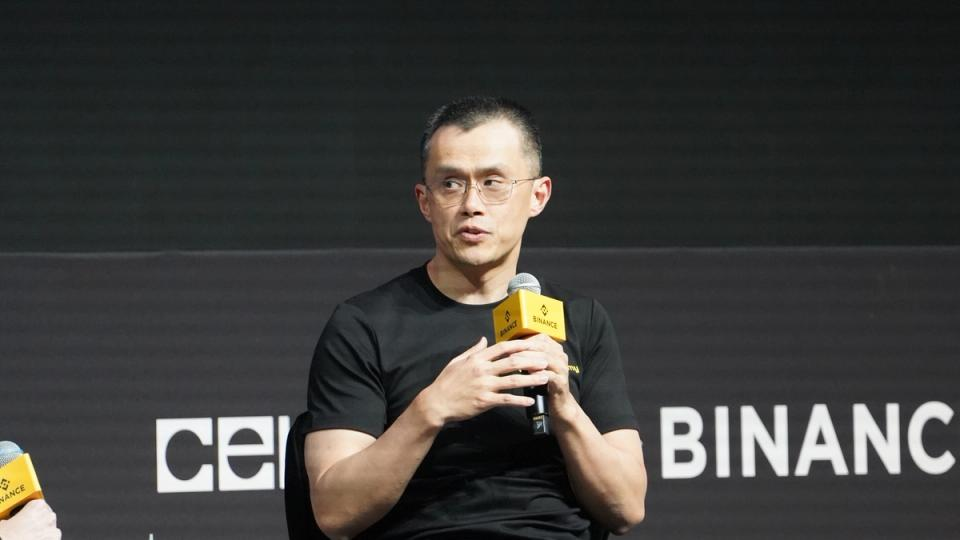
Although some funds have shifted toward AI-related opportunities, Zhao suggested that does not necessarily come at Bitcoin’s expense. Instead, both sectors can benefit during periods of improving economic conditions and stronger investor confidence.
The growing popularity of AI highlights the increasing diversification of technology-focused investment strategies rather than signaling a permanent shift away from digital assets.
Bitcoin Remains a Unique Asset Class
The discussion reflects a broader evolution in financial markets, where investors are increasingly evaluating Bitcoin alongside emerging technologies rather than traditional asset classes alone.
For long-term investors, Zhao argues the choice between Bitcoin and AI is not necessarily an either-or decision. Bitcoin continues to offer characteristics associated with scarcity and monetary protection, while AI represents exposure to one of the fastest-growing areas of technological innovation.
As institutional participation expands across both industries, the relationship between Bitcoin and artificial intelligence is likely to become increasingly complementary rather than competitive.