- China has condemned the U.S. seizure of Venezuela’s Nicolás Maduro and called for his release.
- Beijing has more than $100 billion in historical loan exposure tied to Venezuela, much of it oil-backed.
- The crisis raises major risks for Chinese banks, oil interests, and Beijing’s influence in Latin America.
China has sharply criticized the United States following the dramatic seizure of Venezuelan leader Nicolás Maduro, a move that has sent shockwaves through global politics and put Beijing’s strategic interests in Latin America under pressure.
Just hours before his capture by U.S. forces, Maduro was hosting a Chinese delegation at the presidential palace in Caracas, publicly reaffirming what both sides have described as an “all-weather” partnership. That relationship, formalized in a 2023 joint statement with President Xi Jinping, is now being tested in real time.
Beijing Reacts as Strategic Partner Is Removed
China has taken a notably stronger stance than most Western governments, openly condemning Washington’s actions and calling for Maduro’s release. Beijing backed an emergency UN Security Council meeting and accused the U.S. of acting as a self-appointed global police force.
Foreign Minister Wang Yi said China does not accept any country positioning itself as “the world’s judge,” while Chinese social media platforms were flooded with anti-U.S. commentary. Content celebrating Maduro’s arrest appeared to be quietly suppressed, reflecting Beijing’s sensitivity around the episode.
Why Venezuela Matters So Much to China
China has spent years deepening economic and diplomatic ties across Latin America, often positioning itself as a counterweight to U.S. influence. Venezuela is a major pillar of that strategy. Between 2000 and 2023, Chinese state lenders committed roughly $106 billion to the country, making it one of Beijing’s largest overseas borrowers.
While Venezuelan oil only accounts for about 4% of China’s total imports, the debt tied to oil-backed loans is far more important. Beijing’s concern now is whether a U.S.-backed government in Caracas could prioritize American creditors over Chinese ones, potentially forcing Chinese banks to absorb heavy losses.
Financial and Legal Risks Begin to Surface
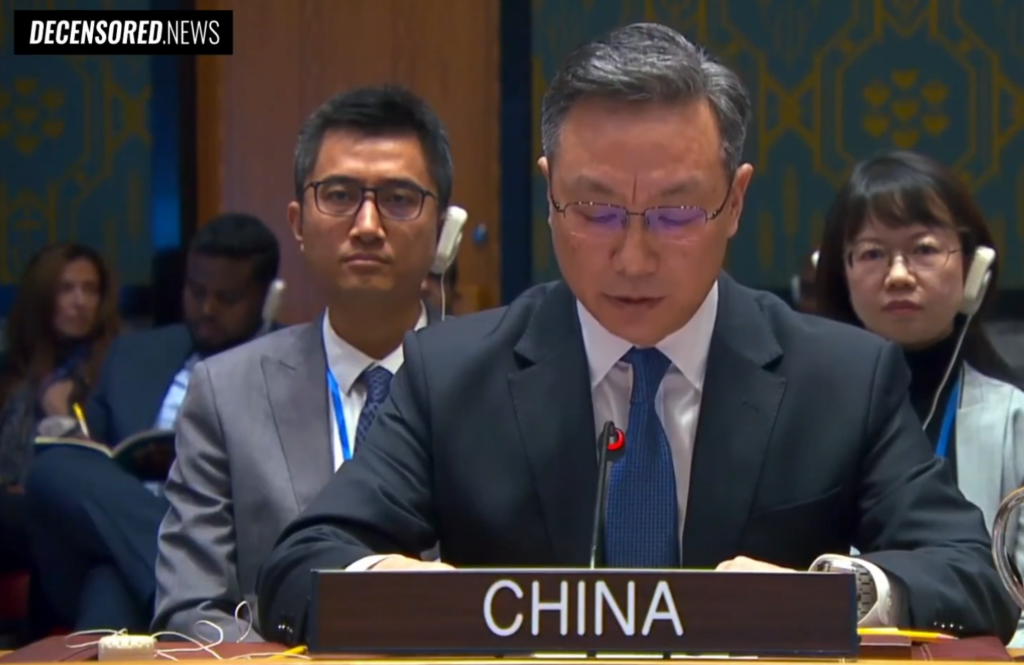
Reports indicate China’s top financial regulator has already asked major lenders to review their exposure to Venezuela. Analysts warn that if repayment terms are rewritten under U.S. pressure, Chinese institutions could be sidelined.
Some experts believe Beijing could use its own leverage, such as restrictions on rare-earth exports, to push Washington toward a negotiated outcome that protects Chinese claims. Others suggest China may ultimately pursue international legal action against Venezuela itself if contracts are abandoned.
Oil, Power, and the Regional Fallout
Trump has stated the U.S. intends to “run” Venezuela and exploit its oil reserves to rebuild the country, potentially through a new, compliant government. His administration has already demonstrated its leverage by seizing Venezuelan oil shipments bound for China.
How the situation unfolds will depend heavily on who controls Caracas next. A proxy government could give China room to quietly renegotiate debts, while a hardline U.S. approach risks turning Venezuela into another flashpoint in an already tense global power struggle.