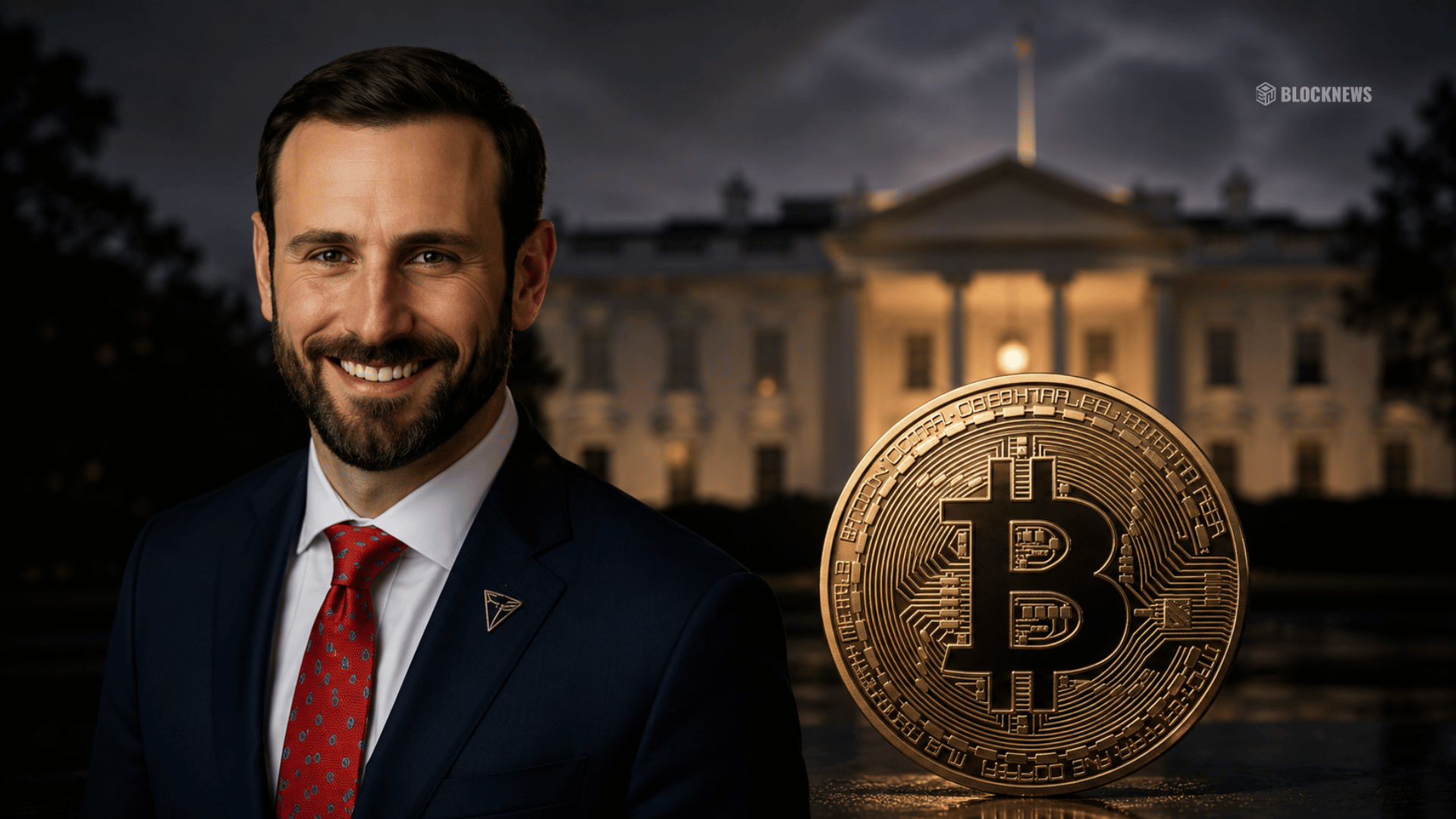
- The White House says a Strategic Bitcoin Reserve update is coming within weeks
- The CLARITY Act now faces a July 4th target for House passage
- US officials admit government Bitcoin custody systems are fragmented and outdated
For the first time in a while, Washington sounds less reactive about crypto and more like it’s trying to actively shape the industry’s future.

At Consensus Miami 2026, White House digital asset advisor Patrick Witt confirmed that an official update on the Strategic Bitcoin Reserve is expected within the next few weeks, putting a very public clock on what has largely been a vague policy discussion until now.
The Reserve Conversation Is Becoming Real
The idea of a US Strategic Bitcoin Reserve once sounded mostly symbolic, something designed to generate headlines rather than actual infrastructure planning.
Now it appears the administration is moving toward operational decisions around custody, holdings, and broader digital asset strategy. And honestly, some of the details coming out are pretty rough.
Government Bitcoin Storage Sounds Shockingly Primitive
According to Witt, government agencies are still storing crypto wallets in fragmented ways, including cold wallets reportedly sitting inside desk drawers across different departments.
That’s not exactly the kind of custody architecture people expect from the world’s largest economy.
The issue became harder to ignore after previous government-controlled seizure wallets were compromised in hacks reportedly costing tens of millions of dollars.
Nobody Fully Knows How Much Bitcoin the US Holds
Another striking detail is that the government still has not publicly clarified the total amount of Bitcoin it controls through seizures and asset forfeitures.
That uncertainty matters because the US likely already ranks among the largest sovereign Bitcoin holders globally. Any reserve framework could significantly reshape how markets interpret state-level crypto adoption.
The CLARITY Act Is Moving Into a Critical Window
Alongside the reserve discussion, the administration is also pushing aggressively for movement on the CLARITY Act.
The proposed legislation would establish clearer jurisdiction boundaries between the SEC and CFTC while creating a more defined regulatory framework for digital asset markets and exchanges.
July 4th has reportedly become the informal target for advancing the legislation through the House.
Stablecoin Disputes Were the Biggest Obstacle
One reason momentum appears stronger now is that the largest internal fight, stablecoin yield treatment, may finally be nearing resolution.
That issue stalled negotiations for months because traditional banking groups worried that yield-bearing stablecoins could compete directly with bank deposits.
If compromise language holds, the odds of broader crypto legislation passing increase meaningfully.
This Is About Global Financial Influence Too
The administration’s urgency also reflects geopolitical concerns. Witt reportedly argued that if the United States fails to shape global crypto standards, other countries, particularly China, could gain influence over digital financial infrastructure instead.
That framing changes crypto policy from a niche technology debate into a strategic competition issue.
Markets Are Watching the Next Two Months Closely
The next 60 days could become one of the most important policy windows crypto has seen in years.
A functioning Strategic Bitcoin Reserve framework combined with major market structure legislation would signal that the US is transitioning from regulatory uncertainty toward active integration of digital assets into mainstream financial systems.
That wouldn’t eliminate volatility or political fights overnight, but it would fundamentally change how institutions, governments, and global markets view crypto going forward.