- Kevin Warsh officially became Federal Reserve Chair on May 22, 2026
- Jerome Powell will remain on the Fed’s Board of Governors until 2028
- Markets still overwhelmingly expect rates to remain elevated despite Trump pressure
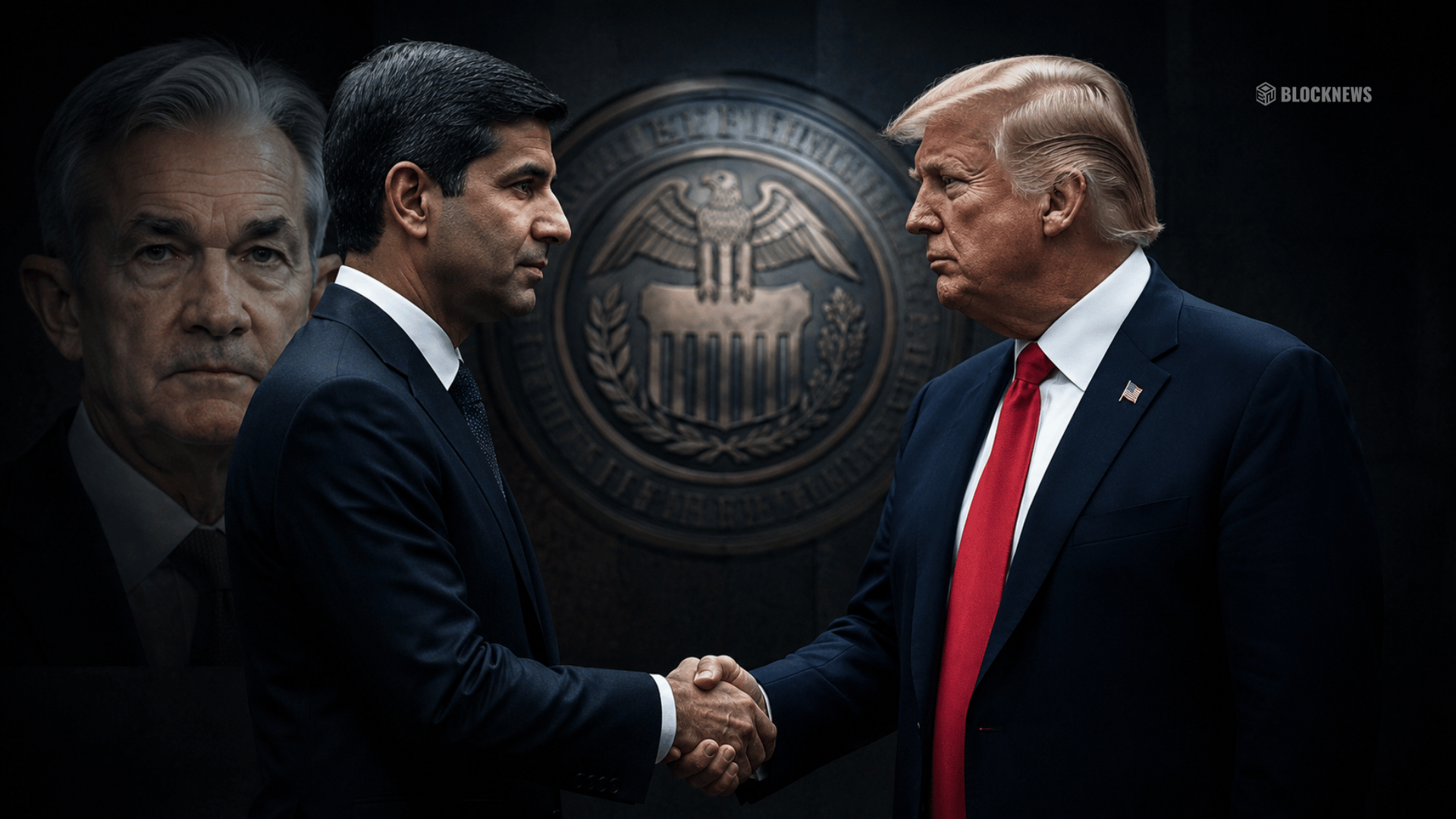
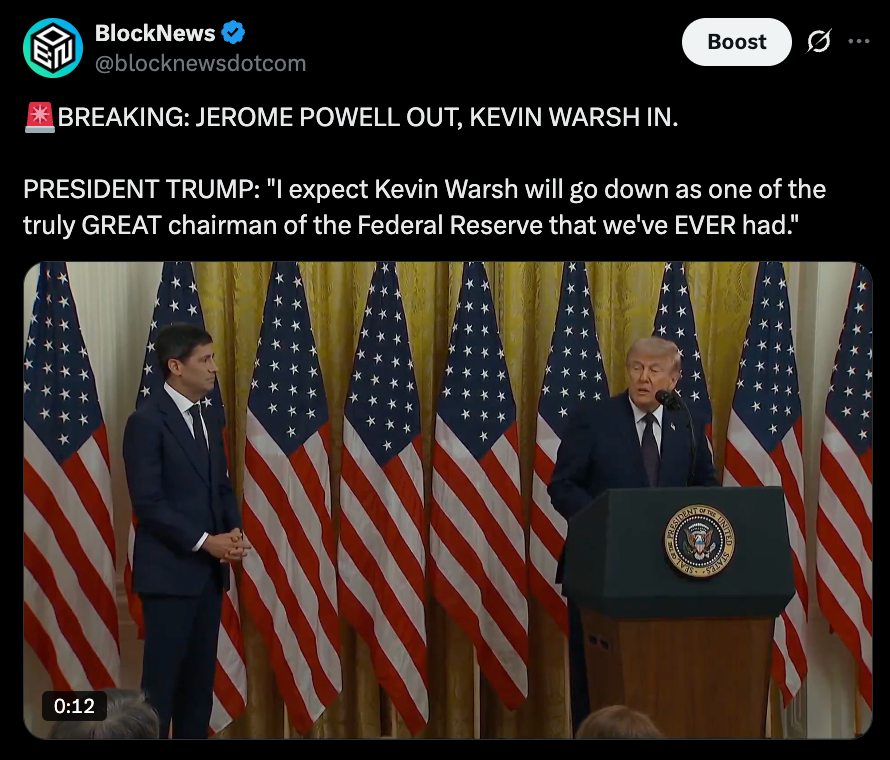
Kevin Warsh officially took over as Federal Reserve Chair today, becoming the 11th modern leader of the U.S. central bank during a ceremony presided over by President Donald Trump. The transition would already be politically significant on its own, but what makes this situation unusually awkward is that Jerome Powell is not actually leaving the building.
Powell’s term as Fed chair ended, but his separate 14-year term as a Federal Reserve governor runs until January 2028. So while Warsh now leads the institution, Powell will still sit inside the same boardroom helping shape monetary policy decisions for years.
Powell Isn’t Quietly Disappearing
At his final press conference as Fed chair, Powell made it fairly clear he has no interest in fading quietly into the background. He stated that recent events left him feeling obligated to remain until things were “seen through,” effectively confirming he intends to stay actively involved despite losing the top position.
That creates an unusual dynamic for the Federal Reserve. Historically, most former chairs step away entirely once their leadership term ends. Powell choosing to remain inside the institution while a new chair takes over introduces an entirely different kind of internal political tension.
And honestly, the next few FOMC meetings could get very interesting because of it.
Markets Still Don’t Believe Easy Money Is Coming
Despite Trump’s long-standing preference for lower interest rates, markets are not currently pricing in aggressive cuts under Warsh. Traders still assign roughly a 96.8% probability that the Fed keeps rates unchanged in June, while some futures markets are even beginning to price in the possibility of additional tightening in 2027.
That reflects Warsh’s broader reputation as a relatively hawkish policymaker focused heavily on inflation discipline and central bank credibility. Public comments from Warsh over the years suggest he favors tighter monetary control, more streamlined Fed communication, and a narrower central bank mandate overall.
In other words, cheap mortgages probably are not arriving anytime soon.
Crypto Traders Are Watching Warsh Closely
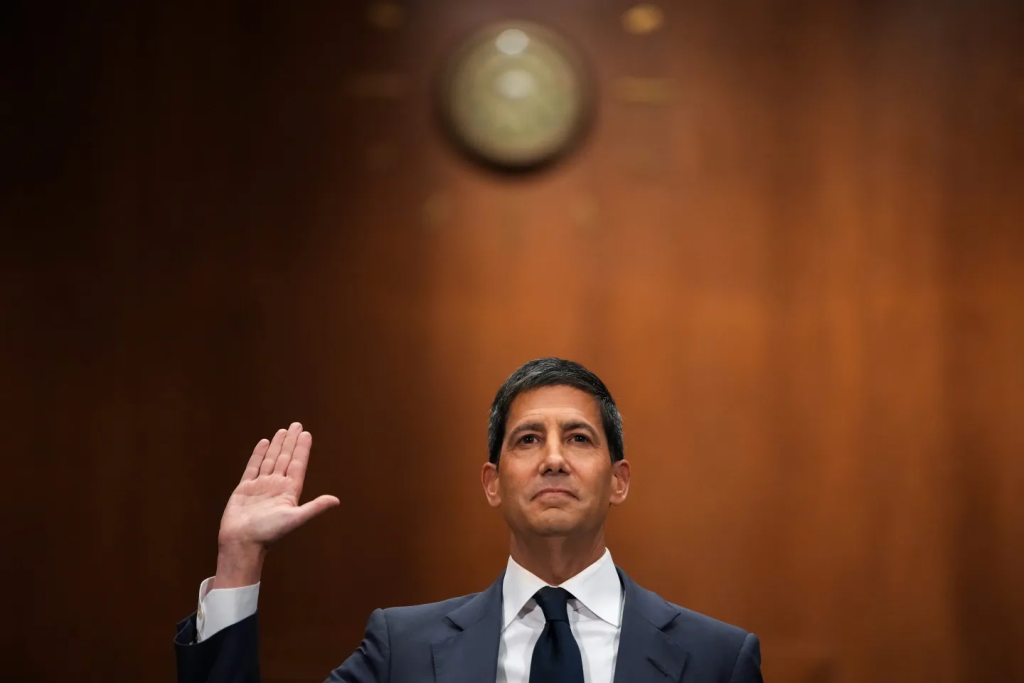
Interestingly, parts of the crypto industry appear cautiously optimistic about Warsh. His financial disclosures reportedly showed exposure to crypto and fintech-related firms including Polymarket and Tenderly, fueling speculation that he may be more open to financial innovation and digital assets than some previous Fed leadership.
That does not automatically make him “pro-crypto,” but markets clearly view him as potentially more receptive to emerging financial technologies than traditional monetary hardliners.
Still, monetary policy matters far more for crypto than personal investment preferences. If inflation remains stubborn, even a crypto-friendly Fed chair would likely keep rates elevated.
The Real Test Starts Now
Trump publicly said during the ceremony that he wants Warsh to remain “totally independent,” which is exactly the type of sentence markets immediately analyze for hidden pressure underneath.
Warsh now steps into one of the most politically difficult Federal Reserve environments in years: persistent inflation concerns, market expectations for policy clarity, a sitting former Fed chair still inside the institution, and a president openly eager for lower borrowing costs.
Whether Warsh can balance genuine monetary discipline with intense political pressure is the question markets will spend the rest of 2026 trying to answer.