- A federal appeals court ruled NFTs qualify as protected “goods” under U.S. trademark law
- The court rejected fair use defenses tied to the copycat RR/BAYC collection
- The lawsuit settled in 2026, but the legal precedent for NFT trademarks remains intact
The long-running legal battle between Yuga Labs and conceptual artist Ryder Ripps has officially ended, but the trademark ruling behind the case may end up shaping the NFT industry for years.
At the center of the dispute was RR/BAYC, a copycat NFT collection launched by Ripps in 2022 using the same Bored Ape Yacht Club artwork and nearly identical branding tied to Yuga Labs’ flagship NFT project. Ripps framed the project as satire and commentary, while Yuga Labs argued it created direct marketplace confusion and infringed on its intellectual property rights.
The Court Made NFTs Legally Recognizable Goods
The most important outcome came from the Ninth Circuit Court of Appeals in July 2025, when judges ruled that NFTs qualify as “goods” protected under the Lanham Act, the primary federal trademark law in the United States.
The court rejected arguments claiming NFTs were merely digital certificates or authentication tools, instead recognizing them as commercial products tied to memberships, branding, events, and consumer experiences.
That decision became the first major federal precedent clearly establishing that NFT collections can receive trademark protection similar to physical products or traditional brands.
Yuga Won the Legal Framework — But Not Everything
While the appeals court sided with Yuga on several core trademark issues, it also overturned the original $9 million damages award issued by a lower court. Judges ruled that the question of actual consumer confusion still required further examination at trial.
That partial reversal allowed both sides to claim some degree of victory publicly. Ripps argued the appeals decision weakened Yuga’s original legal win, while Yuga emphasized that the NFT trademark protections themselves remained fully intact.
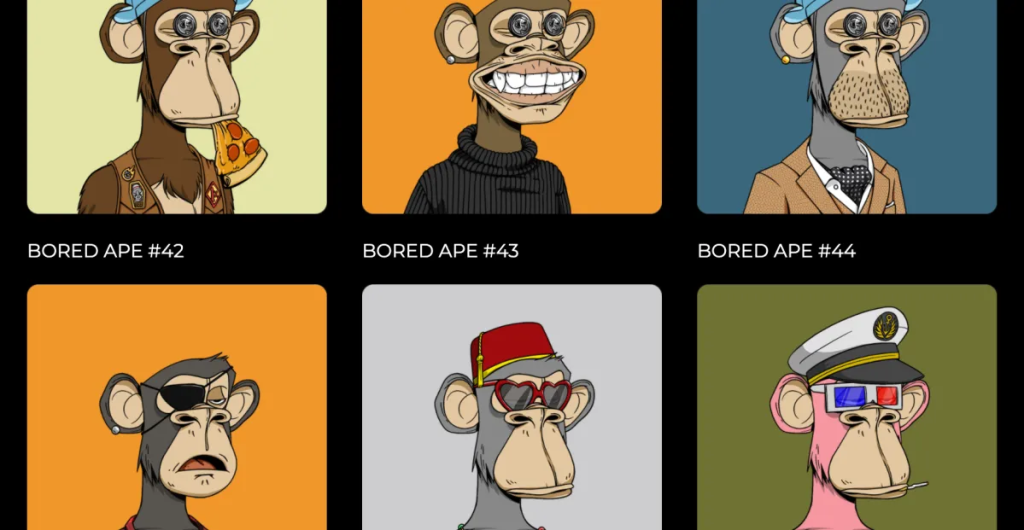
Before the case could return to trial, both parties reached a settlement in April 2026. The agreement permanently barred Ripps and co-defendant Jeremy Cahen from using Yuga’s trademarks and required the transfer of the disputed project’s smart contracts, domains, and remaining NFTs back to Yuga Labs.
The NFT Industry Now Has a Legal Blueprint
The broader impact of the case goes far beyond BAYC itself. The ruling effectively confirmed that NFT branding carries enforceable intellectual property rights under existing U.S. trademark law.
For brands, creators, and NFT projects, the message is now much clearer: logos, names, and digital collections tied to NFTs are not operating inside a legal gray zone anymore. Courts are increasingly prepared to treat them like real commercial products with real trademark protections attached.
As NFT ecosystems continue blending digital ownership with memberships, merchandise, gaming, and metaverse access, the Yuga case may ultimately be remembered less for the courtroom drama and more for formally dragging trademark law into the blockchain era.