
- Ethereum continues leading in institutional capital, stablecoins, and long-term infrastructure development.
- Solana is expanding rapidly into enterprise adoption while maintaining strong user engagement and trading activity.
- Investors see Ethereum as the more stable choice, while Solana offers higher upside potential with greater volatility.
When investors talk about smart-contract blockchains outside of Bitcoin, the conversation almost always circles back to Ethereum and Solana. Both ecosystems have built enormous communities, attracted billions in capital, and positioned themselves as foundational layers for the future of decentralized finance. But despite serving similar markets on the surface, they represent two very different investment profiles underneath.
Ethereum still dominates in terms of total value and institutional trust. According to CoinGecko data, ETH currently carries a market capitalization near $281 billion, while Solana sits much lower around $54 billion. That gap matters because it reflects where long-term capital and institutional confidence continue concentrating, especially among larger financial players who tend to prioritize network stability over speed alone.
At the same time though, Solana has carved out its own lane by focusing heavily on efficiency, lower costs, and user activity. In many ways, the rivalry between Ethereum and Solana feels less like a winner-take-all battle and more like two different visions of how blockchain infrastructure should evolve over time.
Ethereum Continues Building Around Stability and Scale
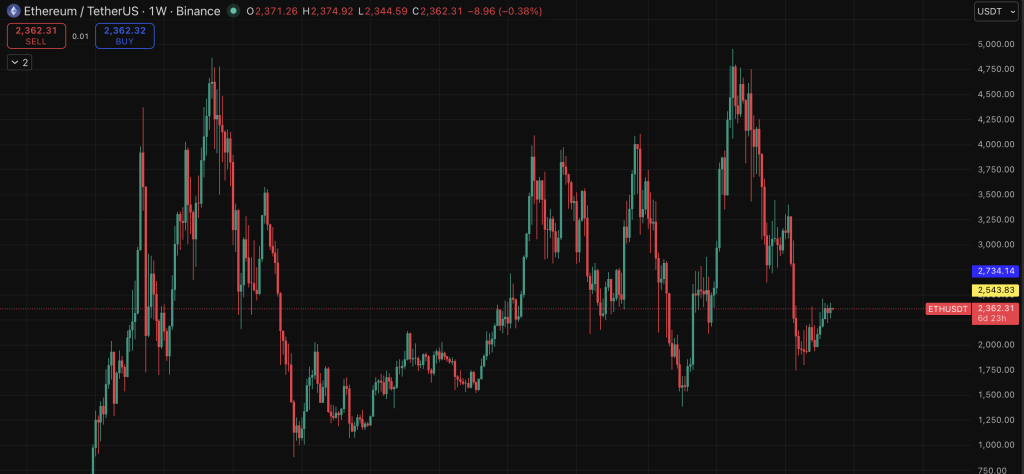
Ethereum remains the clear heavyweight when it comes to capital concentration inside decentralized finance. Data from DefiLlama shows the network currently hosts roughly $164 billion in stablecoins, alongside more than half a million daily active addresses and over $1.3 billion in derivatives trading volume. Those numbers highlight just how deeply embedded Ethereum still is within the broader crypto economy.
Development activity around Ethereum also hasn’t slowed down. The Ethereum Foundation recently rolled out the Pectra upgrade, which introduced several major improvements including increased blob capacity, larger validator staking limits, and faster validator onboarding. Additional upgrades like Fusaka, Glamsterdam, and Hegotá are already lined up for later in 2026, showing Ethereum’s roadmap remains extremely active despite criticisms surrounding speed and transaction fees.
These upgrades matter because Ethereum’s strategy has always leaned toward long-term infrastructure reliability rather than short bursts of growth. Institutional investors tend to value predictability, security, and deep liquidity pools, and Ethereum still leads in most of those categories. It may not always move the fastest, but many investors see it as the more battle-tested ecosystem overall.
Solana Pushes Beyond Retail Trading Into Institutional Markets
Solana, meanwhile, has been aggressively evolving beyond its earlier reputation as simply a fast and cheap blockchain for retail traders and meme coin activity. The Solana Foundation recently launched its Developer Platform, an API-focused infrastructure product aimed directly at enterprises and traditional financial firms trying to integrate blockchain technology more efficiently.
That move has already attracted partnerships with major companies including Mastercard, Worldpay, and Western Union. Solana’s infrastructure is now supporting projects tied to tokenized assets, payment systems, stablecoins, and real-world asset settlement, which signals the network is trying to compete seriously for institutional-level adoption rather than relying solely on speculative trading activity.
What really separates Solana though is user engagement. The network currently processes around 1.67 million active addresses daily and recently captured over 30% of spot decentralized exchange volume during the first quarter of 2026. Ethereum later regained the lead by March, but Solana’s ability to temporarily overtake it shows how quickly momentum can shift in crypto markets.
In simple terms, Solana tends to thrive during periods of intense speculation and high retail activity. Ethereum usually regains strength when investors begin prioritizing infrastructure reliability and deeper liquidity. Both dynamics matter depending on where the market cycle stands.
Risk Profiles Remain Very Different Between ETH and SOL
The investment risks tied to Ethereum and Solana are also very different, and that’s something investors probably shouldn’t ignore. Citigroup analysts recently lowered their 12-month ETH outlook due to concerns surrounding slowing network participation, although they still acknowledged Ethereum’s strength in stablecoins and asset tokenization.
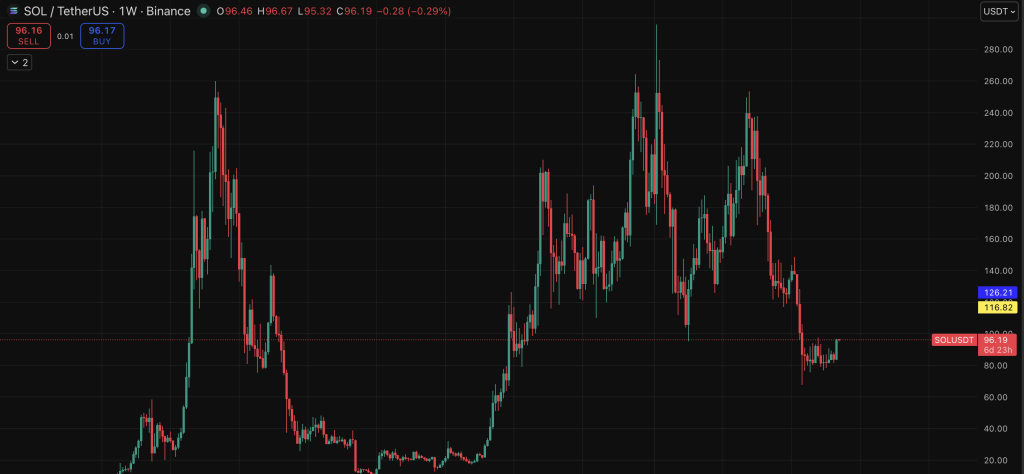
Solana carries a more aggressive risk profile overall. Price volatility remains significantly higher, and the network still depends heavily on maintaining momentum and user activity to sustain rapid growth. When market sentiment turns bullish, SOL often outperforms aggressively. But when conditions weaken, the corrections can become pretty brutal too.
Ethereum has its own weaknesses of course. During major altcoin rallies, ETH sometimes underperforms faster-moving competitors because of its larger size and slower market reactions. Solana, on the other hand, behaves more like a high-beta growth asset — higher upside potential, but usually accompanied by sharper downside swings.
Choosing Between Ethereum and Solana Depends on Risk Appetite
For investors chasing larger upside opportunities and willing to accept heavier volatility, Solana may offer the more aggressive growth setup over the coming years. The network continues expanding rapidly, enterprise adoption is increasing, and its ability to capture retail activity remains impressive.
Ethereum still holds the advantage for investors prioritizing stability, institutional trust, and long-term infrastructure dominance. Its ecosystem remains far larger, more deeply capitalized, and more integrated into global crypto finance than any competing smart-contract chain right now.
Neither investment comes without risk though, and crypto markets rarely reward blind conviction forever. Ethereum and Solana are both positioned as major players heading deeper into 2026, but the better investment probably depends less on which blockchain is “better” and more on what kind of risk profile an investor is actually comfortable carrying.