- Photographer completes 366-day global NFT project across all continents
- Daily minted Ethereum portraits collected by 135 unique buyers
- Combines analog film, blockchain, and NASA-inspired sound design
Justin Aversano just wrapped a project that feels… borderline impossible when you actually think about it. Over 366 days, he traveled across all seven continents, filming 10-second Super 8 portraits of strangers, then minting each one as an NFT on Ethereum the very same day.
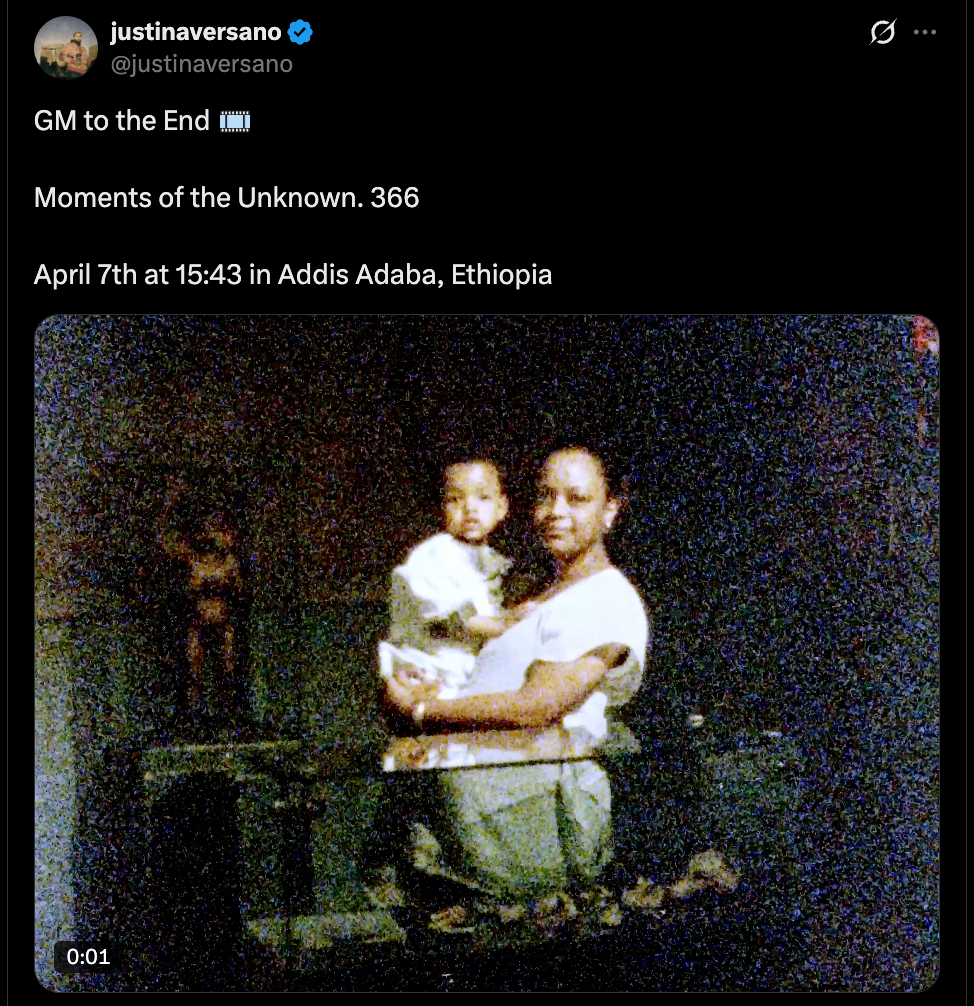
It’s the kind of commitment that goes way beyond a typical creative challenge, especially when you factor in places like Antarctica, which required days of travel just to reach. There’s something raw about it too, not overly polished, just moments captured in motion, one after another, across the entire planet.
The Sound Design Is Where It Gets Interesting
What really elevates the project, though, is the sound layer running beneath it. Aversano pulled audio from NASA’s Voyager Golden Record, blending voices, greetings, and fragments of human expression collected decades ago and sent into space.
It sounds a bit abstract at first, maybe even overly ambitious, but in practice, it lands in a surprisingly emotional way. Hearing “hello” in dozens of languages while watching faces from across the world creates this quiet connection that’s hard to ignore.
The NFT Side of It
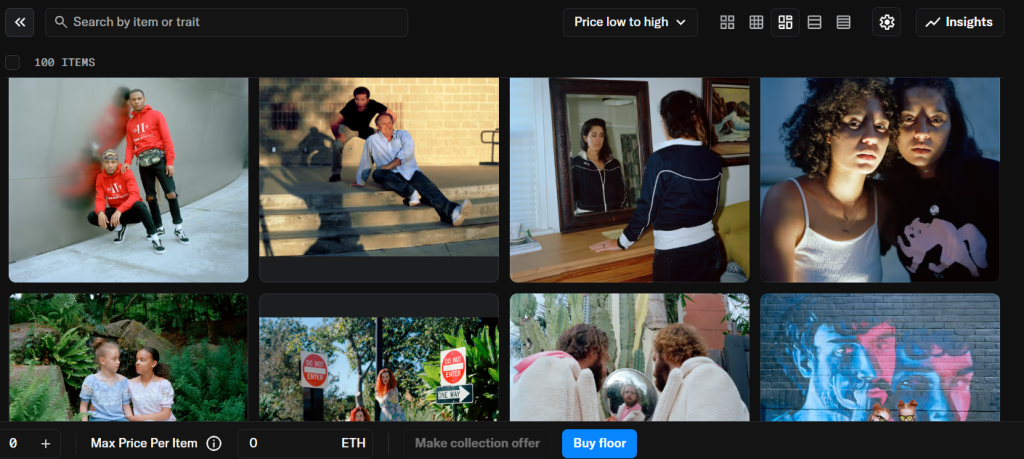
Each portrait was auctioned daily, eventually landing with 135 collectors over the course of the year. That structure alone is interesting, it turns the project into a kind of ongoing narrative rather than a one-time drop.
Aversano isn’t new to this space either, his earlier “Twin Flames” collection generated over $10.7 million in trading volume, with one piece selling for $1.1 million at Christie’s. This project feels different though, less about high-value rarity and more about documenting something that actually took effort, time, and, honestly, a bit of endurance.
More Than Just Another NFT Drop
There’s always a risk that projects like this get dismissed as just another NFT experiment wrapped in artistic language. But this one doesn’t really fit that mold, not entirely.
Spending a year physically traveling, capturing people in real environments, and using blockchain as a record rather than the centerpiece gives it a different weight. Whether the art world leans into it first or the crypto crowd does probably doesn’t matter much, the work exists, all 366 pieces of it, and that alone makes it harder to brush aside.