- DOJ released $40M for OneCoin victims from $4B fraud
- Claims must be filed through Kroll by June 30, 2026
- Recovery rate remains extremely low at around 1%
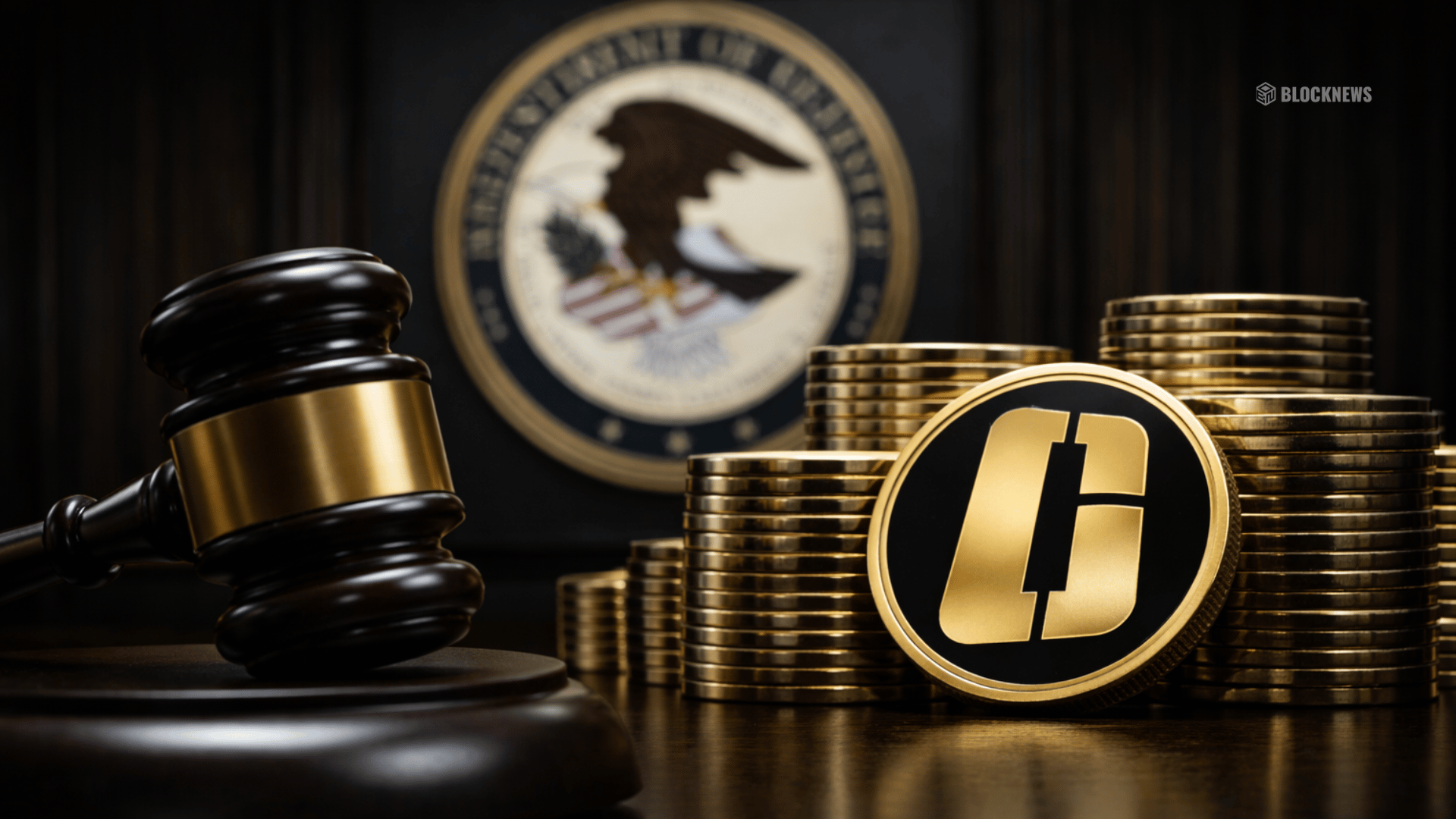
The U.S. Department of Justice is finally opening the door for OneCoin victims to recover some funds, though “some” is doing a lot of work here. After years of legal proceedings, about $40 million in forfeited assets is now available for distribution. The problem, of course, is that the original fraud pulled in over $4 billion, so the math doesn’t exactly inspire confidence.
Still, for victims, it’s something. And in cases like this, something is often all that’s left. The process is now officially open, and those affected can start filing claims, even if expectations need to stay grounded.
How Victims Can File Claims
If you were one of the many who bought into OneCoin between 2014 and 2019, you may be eligible to recover a portion of your losses. Claims are being handled through a remission process managed by Kroll, which is overseeing the distribution of the forfeited funds.
There’s a deadline attached, June 30, 2026. Miss it, and you’re likely out of the process entirely. The application itself isn’t overly complicated, but it does require documentation, and given how long ago this all happened, that could be a hurdle for some.
The Recovery Rate Is… Not Great
Let’s be honest about it, $40 million against $4 billion is barely a dent. It works out to roughly a 1% recovery rate, which, while technically better than zero, doesn’t come close to making victims whole.
That’s often the reality with large-scale fraud cases. By the time authorities step in, most of the money is gone, moved, or hidden beyond reach. What’s left is whatever can be clawed back through seizures and legal action.
Some Key Figures Have Faced Consequences
There have been convictions, at least. Co-founder Karl Sebastian Greenwood was sentenced to 20 years in prison and ordered to pay $300 million in penalties. Irina Dilkinska, who handled legal and compliance roles, received four years and forfeited over $100 million.

More recently, additional arrests have been made tied to efforts to conceal funds. So enforcement has happened, just not always at the level victims might hope for.
The Mastermind Is Still Missing
Then there’s Ruja Ignatova, the so-called “Cryptoqueen,” who remains at large. She disappeared before charges could fully catch up, and years later, there’s still no confirmed location. The FBI has placed her on its Most Wanted list, with rewards totaling up to $5 million for information.
It’s one of those cases where the central figure simply vanished, and without her, a full resolution feels incomplete. Whether she’s ever found is still an open question.
Justice in Crypto Fraud Takes Time
This payout doesn’t close the book on OneCoin, but it does mark a step forward, even if it’s a small one. Victims now have a chance to recover at least part of what they lost, though it won’t come close to the original amounts.
It’s also a reminder of how long these cases can take. The fraud ended years ago, and only now are funds being distributed. In crypto, as in traditional finance, justice tends to move slowly, and not always completely.