- XRP leads in market cap with a focused payment and infrastructure narrative
- Solana offers broader ecosystem growth with major corporate partnerships
- Choice depends on preference for stability versus higher growth potential
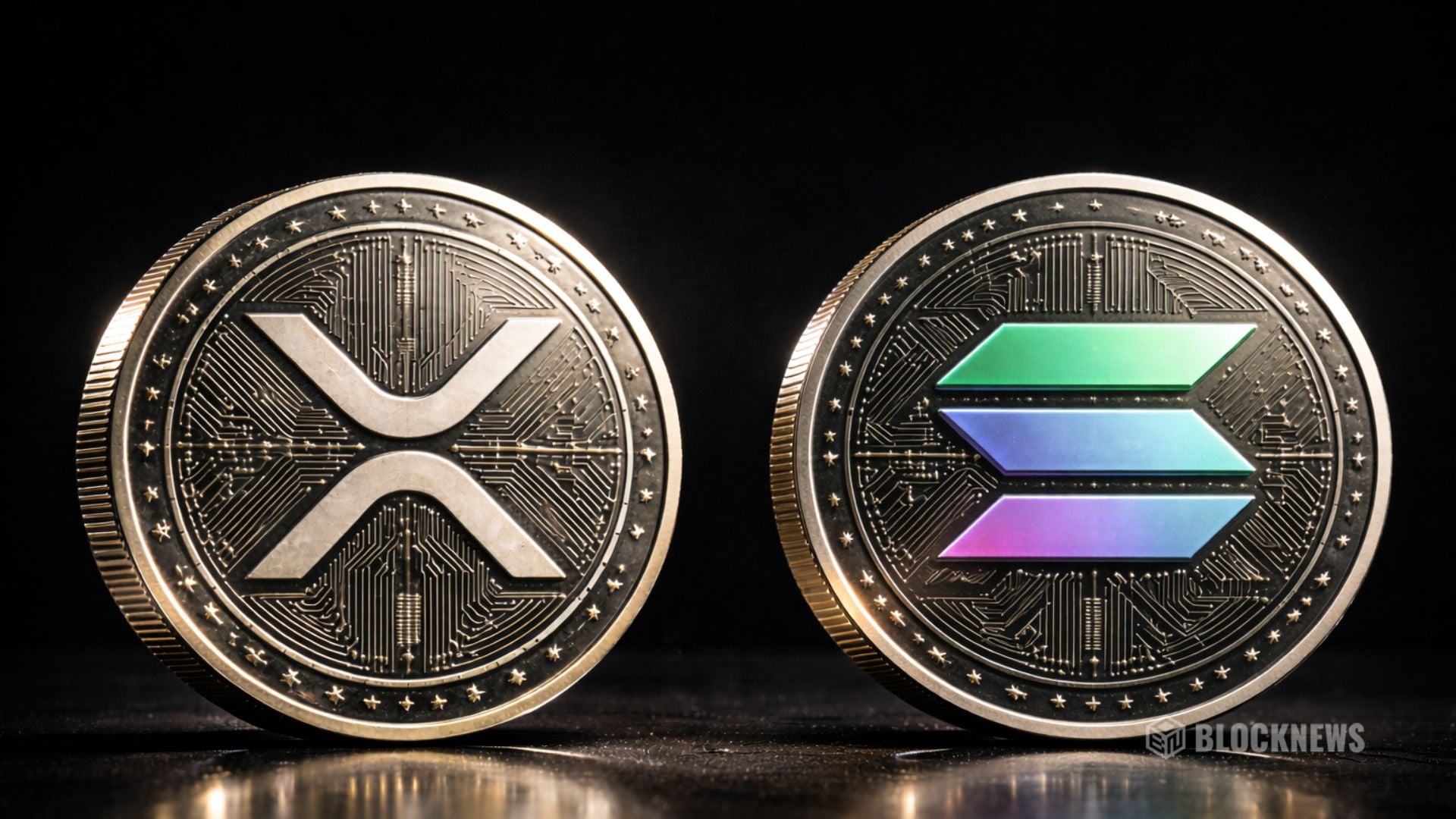
XRP and Solana sit in that interesting space just below Bitcoin and Ethereum, both widely recognized, both heavily discussed, but honestly… built for very different purposes. XRP is currently trading around $1.33, holding a market cap north of $80 billion, while Solana sits closer to $82 with a valuation around $47 billion. So on paper, XRP is clearly ahead, at least in size.
But size doesn’t always mean upside. In fact, it can sometimes mean the opposite. Since Solana’s market cap is smaller, it might have more room to grow if momentum continues, though that depends on execution, which, in crypto, is never guaranteed.
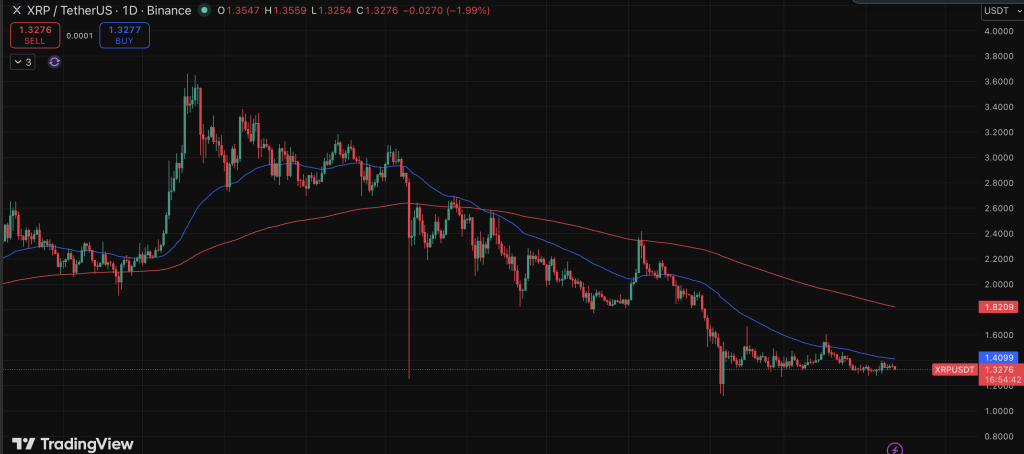
XRP Leans on Payments and Regulation Progress
XRP’s story is pretty straightforward, and maybe that’s part of its appeal. It’s focused on cross-border payments and Ripple’s push into financial infrastructure, which gives it a clear, almost traditional narrative. The long-running SEC case has mostly wrapped up too, which removes a major cloud that had been hanging over the asset for years.
Still, it’s not entirely clean. There’s a $125 million penalty in place, along with some limitations on institutional sales, so it’s not like everything is fully resolved. Going into 2026, XRP’s growth feels closely tied to one thing, real-world adoption. If Ripple continues expanding its network, the price could follow, but if that slows down… well, so might the momentum.
Solana Expands Across Multiple Sectors
Solana, on the other hand, is playing a much broader game. It’s not just about payments, it’s about everything from DeFi and stablecoins to tokenized assets and enterprise solutions. That kind of multi-vertical approach gives it more surface area to grow, but also introduces more complexity, which isn’t always easy to manage.
In March 2026, Solana rolled out its Developer Platform, bringing in names like Mastercard, Worldpay, and Western Union as early participants. That’s a pretty big signal, honestly, because it shows real-world interest across industries, not just within crypto. And when multiple sectors start engaging with a blockchain, capital tends to follow, slowly at first, then sometimes all at once.
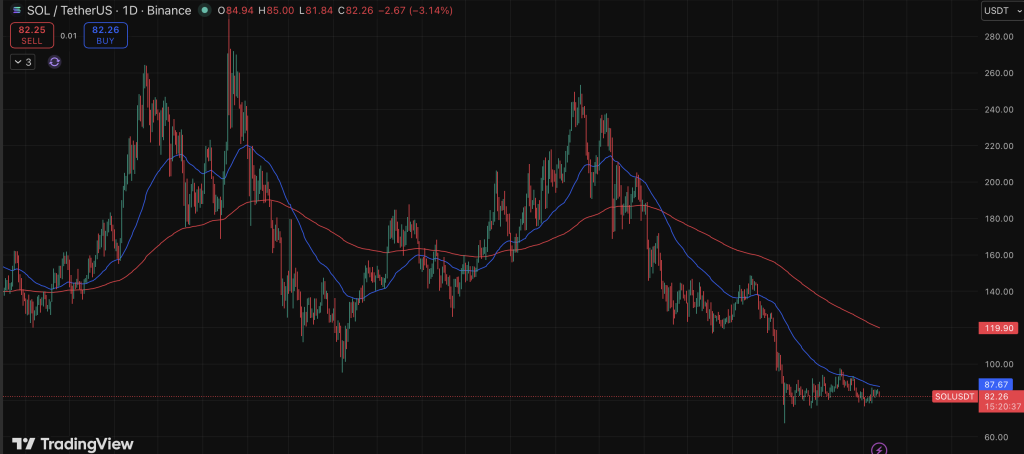
Token Supply and Risk Profiles Look Different
The tokenomics between the two are also… quite different. XRP has a fixed supply of 100 billion tokens, with around 61 billion currently circulating, leaving a noticeable gap that some investors still watch closely. Solana, by contrast, has most of its supply already in circulation, around 570 million out of roughly 574 million total, which makes its valuation a bit more transparent.
That said, Solana does have ongoing token emissions through staking, which adds a layer of inflation over time. XRP doesn’t deal with that in the same way, which could be seen as a plus depending on how you look at it. On the flip side, Solana tends to be more volatile, which can mean bigger gains, but also sharper pullbacks, not exactly ideal for more conservative investors.
Choosing Between Focus and Expansion
In the end, it kind of comes down to preference. XRP offers a cleaner, more focused narrative, strong in payments, improving regulatory clarity, and relatively stable positioning. Solana, meanwhile, feels more like a growth play, broader ecosystem, bigger partnerships, and potentially higher upside if everything aligns.
Neither approach is inherently better, they’re just different. XRP leans into consistency and infrastructure, while Solana pushes toward expansion and innovation. And depending on where the market heads next, either one could come out ahead, maybe even both, just in different ways.