- Art Blocks and OpenSea focus on culture over trading volume
- Nygilia blends AI, gaming, and immersive digital environments
- Shift signals NFTs moving toward narrative-driven experiences
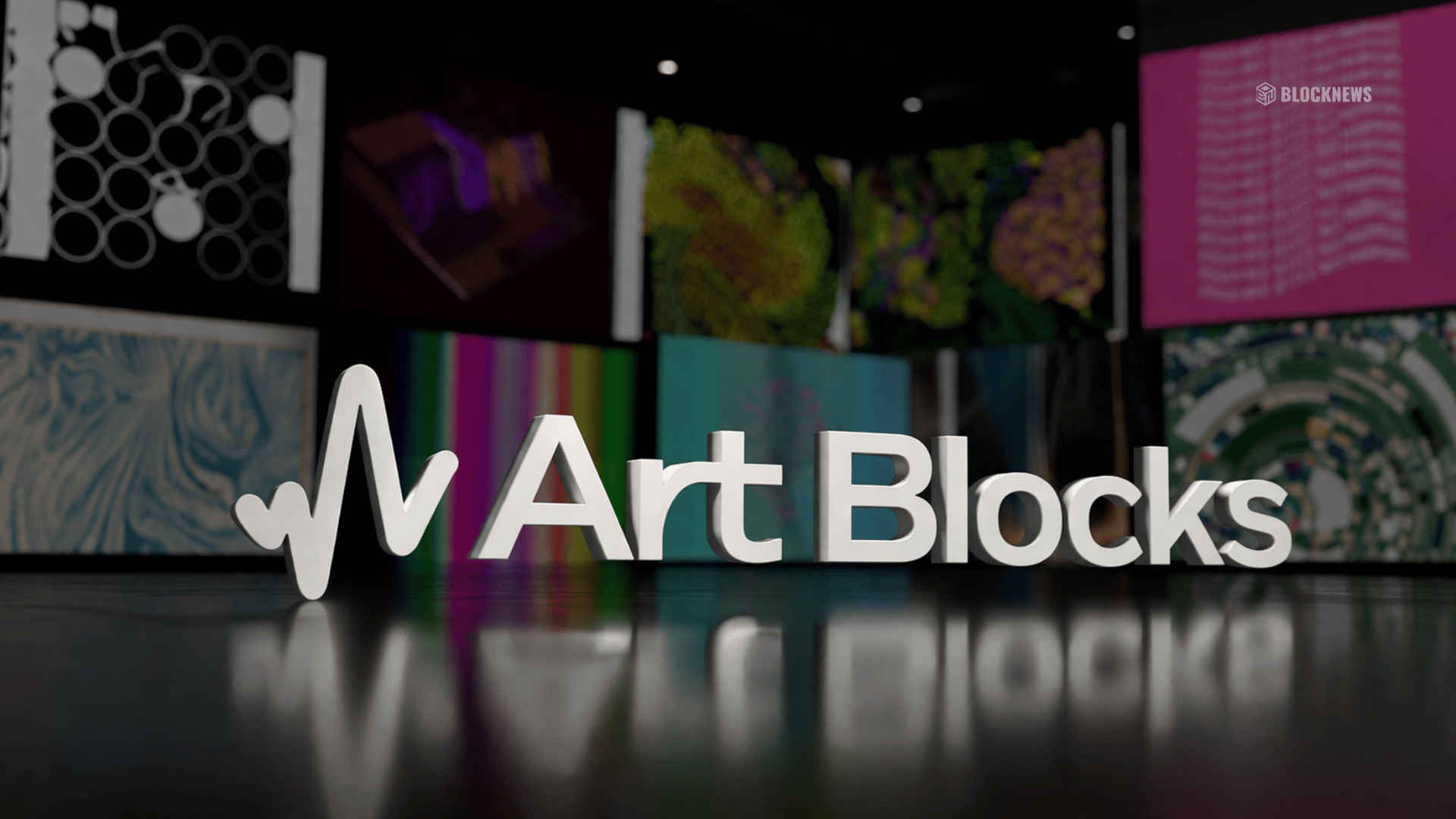
NFTs have had their moment, and then… a long pause. Less noise, fewer headlines, a bit of quiet reflection across the space. So seeing Art Blocks and OpenSea lean into something slower, more deliberate, feels like a noticeable change. Their Marfa residency in 2026 isn’t about hype or quick sales, it’s about giving an artist room to build something that might actually last.
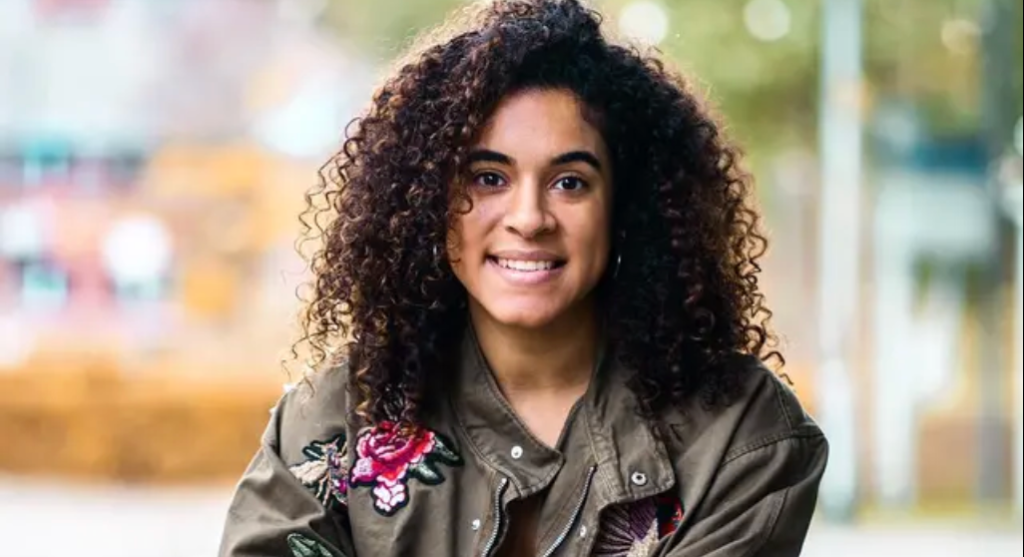
Nygilia sits right at the center of that shift. Her work isn’t just something you look at, it’s something you sort of move through. It feels closer to stepping inside a digital world than owning a static piece. And that alone already separates it from most of what defined the last NFT cycle.
Where Digital Art Starts to Feel Interactive
What makes Nygilia’s work stand out is how it blends different mediums without forcing it. There’s AI, 3D environments, character design, and a kind of game-like structure that encourages exploration rather than just observation.
It doesn’t feel like traditional gallery art, and it’s not trying to be. It pulls more from gaming logic, open spaces, layered environments, and lets people experience the piece instead of just owning it. That shift, subtle as it is, changes how value might be perceived.
Marfa Becomes Part of the Concept
Marfa as a location isn’t random either. It’s known for its minimalism and open landscapes, which oddly align with the idea of exploration. Wide space, quiet surroundings, a bit surreal if you sit with it long enough.
The residency uses that physical environment almost like a metaphor. Just like open-world games invite you to wander without a clear objective, this project leans into that same feeling, letting people engage without forcing direction.
NFT Platforms Are Repositioning Themselves
There’s also something happening on the platform side. Art Blocks and OpenSea aren’t just marketplaces here, they’re acting more like curators. And that shift feels intentional.
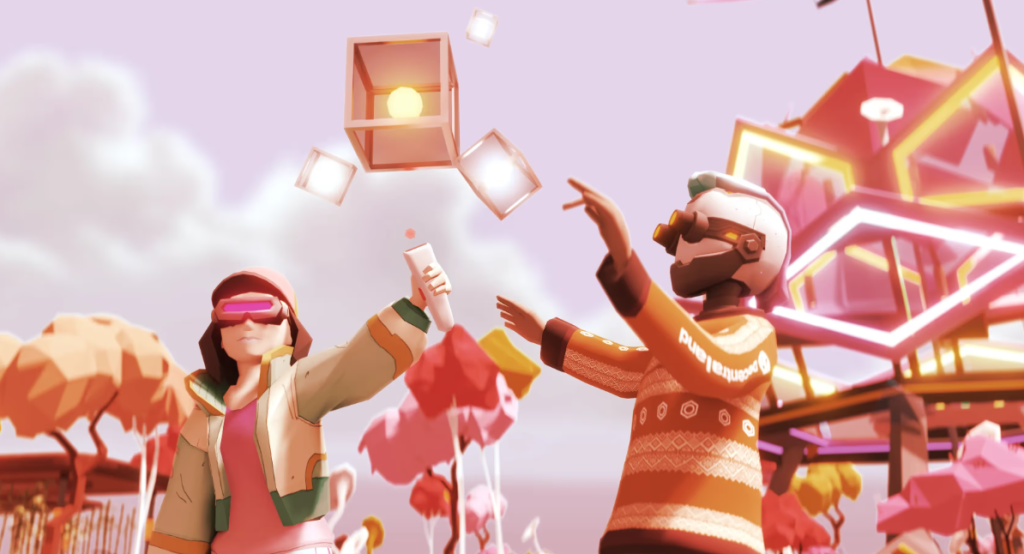
After competing heavily on drops, volume, and floor prices, the focus now seems to be moving toward cultural relevance. Not because it’s more idealistic, but because attention has shifted, and platforms are adjusting to where it’s going.
From Collectibles to Experiences
This residency doesn’t bring NFTs back overnight, and it probably isn’t meant to. It feels more like an early signal of where things could head next. Less emphasis on collectibles, more on experiences people can engage with.
That kind of transition isn’t easy, and it’s definitely not guaranteed. But if digital ownership is going to evolve, it likely won’t look like the last cycle.
The Next Phase Feels More Subtle, But More Real
If this direction holds, NFTs might become less about owning something static and more about entering something dynamic. A space, a world, a narrative that unfolds rather than sits still.
And if that’s the case, projects like this don’t feel experimental anymore. They feel like early versions of what the next phase might actually look like, just quieter, less obvious, but maybe more meaningful.