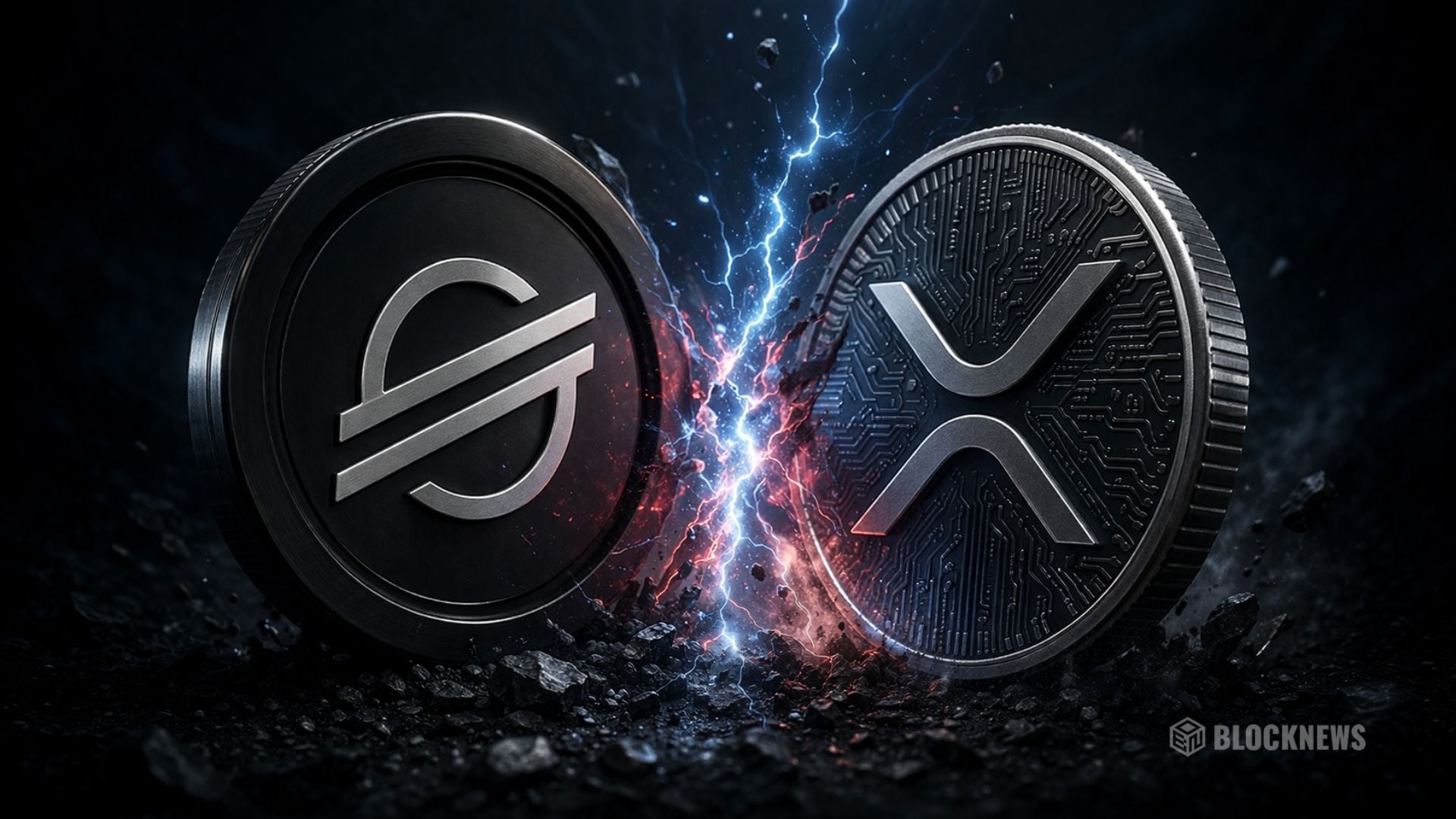
- Stellar focuses on accessibility and real-world usage, while XRP remains centered on institutional finance
- XLM’s technology and smart contract expansion give it broader utility compared to XRP
- Smaller market cap and growing adoption suggest higher upside potential for XLM in future cycles
Cross-border payments are still one of crypto’s biggest talking points in 2026, and honestly, two names keep circling back into the spotlight—Stellar and XRP. On paper, they look similar… fast transactions, low fees, efficient transfers. But once you dig a little deeper, their paths start to split, and not in small ways either.
XRP, for instance, has always leaned heavily toward institutions. Ripple’s whole approach revolves around helping banks move large sums across borders more efficiently. It works, no doubt, but it also means everyday users don’t really interact with the system all that much, it’s more behind-the-scenes.
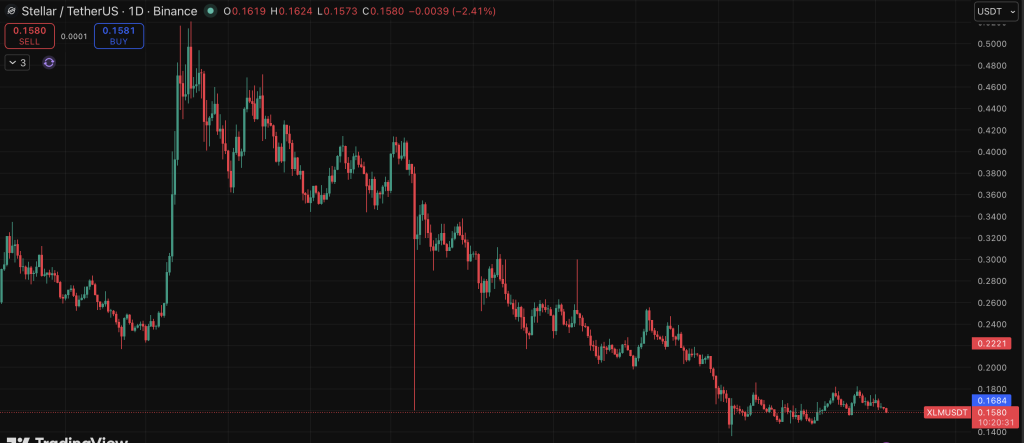
Stellar Leans Toward the Everyday User
Now Stellar tells a slightly different story. According to Sylvian Guibal, often known in the space as Stellar XLM Holder, the network is built with individuals and smaller players in mind. Think freelancers, small businesses, even communities where traditional banking isn’t easily accessible.
That shift in focus matters more than it might seem at first glance. As crypto adoption spreads beyond institutions and into real-world usage, systems designed for accessibility tend to stand out. And Stellar, well, it seems to be leaning right into that space.
Technology Starts to Separate the Two
At a technical level, the differences become even clearer. Both networks are fast and relatively cheap, sure—but how they operate underneath is not the same. Stellar uses something called a Federated Byzantine Agreement, which allows broader participation in validation without relying on a central authority.
XRP, on the other hand, still maintains close ties to Ripple’s influence. That doesn’t automatically make it bad, but it does raise ongoing questions about decentralization. Then there’s smart contracts… Stellar introduced Soroban, opening the door to DeFi and more complex applications, while XRP is still exploring sidechains and external solutions. It works, but it’s not quite as seamless.
Regulation and Structure Shape Perception
Another layer to this comparison comes from regulation and how each network is structured. XRP spent years navigating legal pressure before reaching a settlement in 2025, and that history still lingers in how some investors view it. Even if things are clearer now, the memory hasn’t fully faded.
Stellar avoided that kind of spotlight. It operates under the Stellar Development Foundation, a non-profit setup that supports a more open, less centralized system. XRP’s institutional ties bring a kind of stability, sure, but they also keep it anchored to traditional finance in ways that XLM doesn’t quite share.
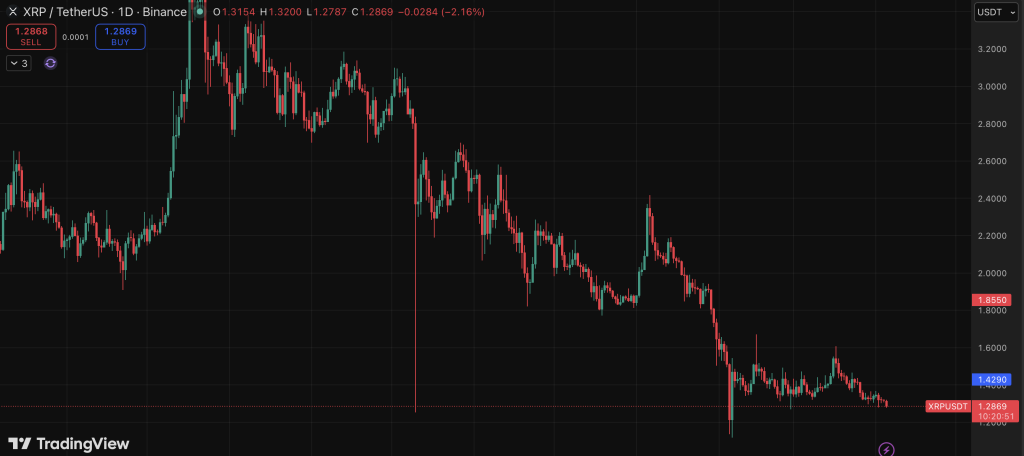
Market Size and Real Usage Tell the Bigger Story
Then there’s the market cap gap, which is pretty hard to ignore. XRP sits somewhere between $80B and $120B, while XLM is much smaller, around $5B to $7B. That difference alone suggests XLM has more room to move, especially during strong altcoin cycles where smaller assets tend to react faster.
But beyond numbers, real-world usage paints a clearer picture. XRP continues building partnerships, though adoption can take time to show up in everyday use. Stellar, meanwhile, is already active in regions like Africa, Latin America, and Southeast Asia, supporting remittances, microtransactions, and stablecoin usage. It’s not just theory—it’s happening, quietly but steadily.
Two Directions, One Ongoing Debate
At the end of the day, the comparison isn’t really about which is “better”… it’s about direction. XRP continues to refine its role within traditional finance, improving how institutions move money globally. Stellar is pushing toward something more open, more accessible, and maybe a bit more aligned with crypto’s original vision.
Guibal’s view leans heavily toward XLM having broader long-term potential, especially as it expands beyond payments into a more complete financial ecosystem. XRP still does what it was built for—and does it well—but its scope feels more defined, maybe even slightly constrained.