- Panini enables Ethereum bridge for NFT self-custody and OpenSea trading
- Bad Egg Co. evolves into a broader entertainment and gaming IP
- Cross-platform NFT ownership is becoming the new standard
For a long time, digital collectibles felt… boxed in. You could buy them, sure, maybe show them off inside a platform, but that was kind of it. Panini’s decision to open an Ethereum bridge changes that dynamic in a way that actually matters, letting users move assets into self-custody wallets and trade them freely on OpenSea.
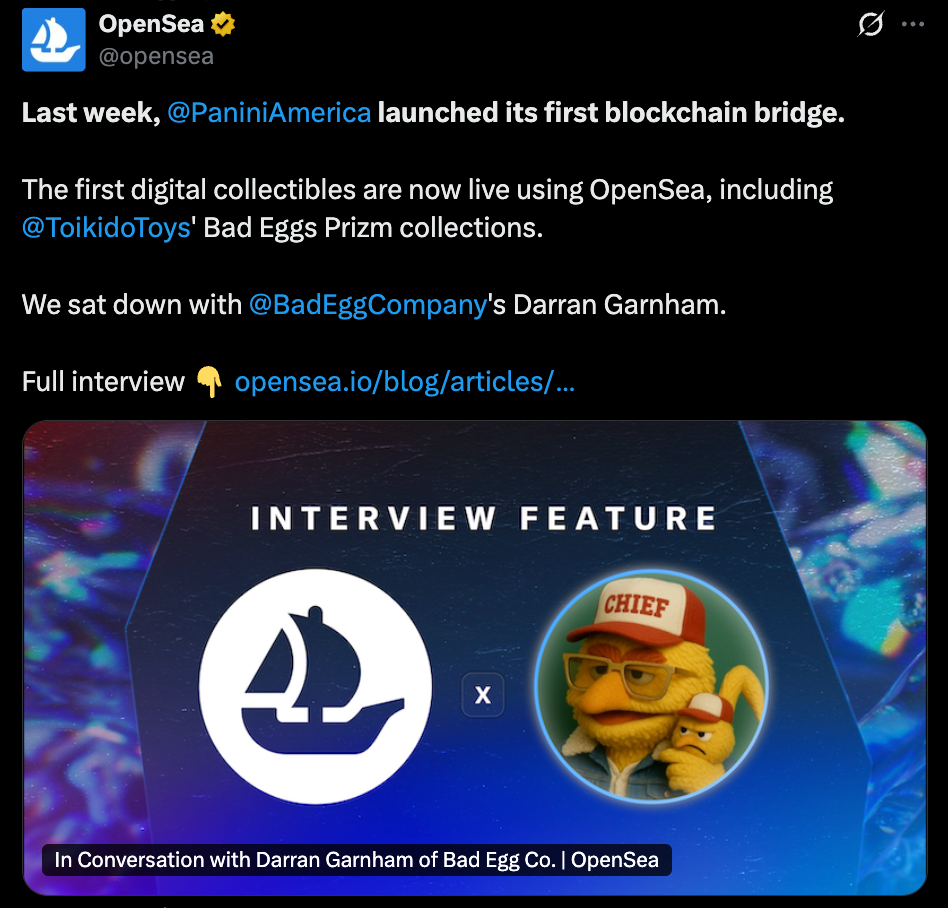
That shift might sound small at first, but it’s not. It’s the difference between owning something inside a system and actually owning it outright. Once assets can move beyond a single platform, liquidity expands, visibility improves, and the entire idea of ownership starts to feel a bit more real, less restricted.
Bad Egg Co. Is Building Beyond NFTs
At the same time, Bad Egg Co. is moving in a direction that feels very different from the earlier wave of NFT projects. Instead of focusing purely on collectible drops, it’s building out a broader universe, one that includes factions, storylines, and character-driven development. That’s not just branding, it’s long-term positioning.
There’s a clear push into areas like gaming, animation, and even physical products, which changes how the NFT itself is perceived. It’s no longer the final product, but more like an access point into a wider ecosystem. And honestly, that shift feels overdue, especially after seeing how quickly hype-driven collections faded before.
Cross-Platform NFT Ownership Is Becoming Expected
The bigger theme here is portability, and it’s becoming harder to ignore. Collectors don’t just want to hold assets, they want to move them, display them, trade them, and build value across different platforms. That expectation is starting to shape how projects are designed from the beginning.
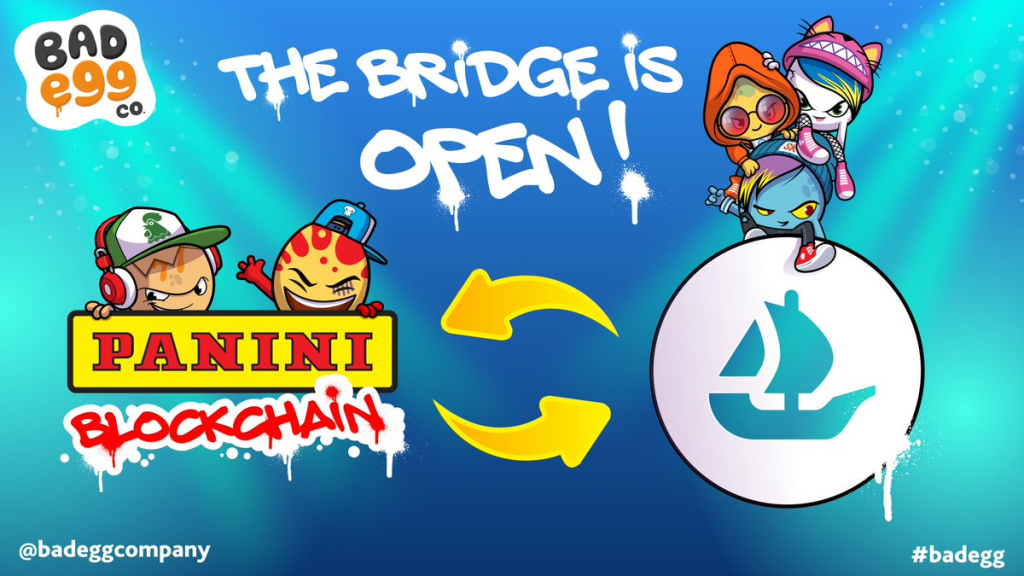
Instead of building within closed ecosystems, projects now have to think in terms of open networks. That creates more competition, sure, but it also unlocks more opportunities for both creators and collectors. Once assets can move freely, the market itself becomes much bigger than any single platform.
NFTs Are Starting to Feel Like Real Ownership
This isn’t just another feature update or a minor improvement to NFT infrastructure. It’s part of a broader shift toward making digital ownership behave more like real ownership. Assets are becoming portable, brands are thinking beyond short-term cycles, and users are gaining more control over what they hold.
If this trend continues, the projects that succeed won’t just be the ones with the loudest launches. They’ll be the ones that can exist across platforms, formats, and audiences without losing what makes them unique. And that’s where things could get really interesting.