
- Ethereum and Solana are now classified as digital commodities under new regulations
- Staking is no longer treated as a securities activity, reducing regulatory risk
- Clearer rules could attract institutional capital and strengthen long-term outlook
For years, one question kept coming up in crypto, and honestly, no one had a clean answer. Are these assets securities, commodities… or something else entirely? It’s been a bit of a gray area, and that uncertainty has hung over the market for a long time.
But on March 17, things shifted. The SEC and CFTC finally stepped in with a clearer framework, classifying 16 major cryptocurrencies, including Ethereum and Solana, as digital commodities. That might sound like just another label, but it actually changes a lot behind the scenes.
Ethereum and Solana Move Into a New Category
Under this new system, crypto assets now fall into five categories, digital commodities, collectibles, tools, stablecoins, or securities. Only one of those, digital securities, stays under the SEC’s heavier oversight. Everything else, including ETH and SOL, gets a lighter regulatory touch through the CFTC.
That’s a big deal. Less regulatory pressure often means fewer barriers, especially for institutions that have been sitting on the sidelines. And when large capital starts paying attention, markets tend to react… eventually.
Staking Just Got a Lot Less Complicated
One of the biggest changes, maybe the most important one, is how staking is now treated. Ethereum and Solana both run on proof-of-stake, where users lock up tokens to help secure the network and earn rewards. For years, there was uncertainty about whether those rewards counted as securities.
Now, regulators have clarified that staking is considered more of an administrative process, not an investment contract, as long as it’s not marketed with guaranteed returns. That removes a major legal risk that had been holding things back.
And it opens the door for something else too, ETFs that include staking. That’s new. And potentially very significant.
Institutional Money May Start Paying Attention
With staking now clearer and ETFs able to offer yield-like features, the investment case becomes… stronger, at least on paper. Investors looking for returns now have multiple ways to gain exposure, either directly holding ETH or SOL, or through funds that do it for them.
That kind of flexibility tends to attract capital, especially from institutions that prefer structured products. It won’t happen overnight, but the path is now clearer than it was before.
Prices Still Below Peaks, But That Cuts Both Ways
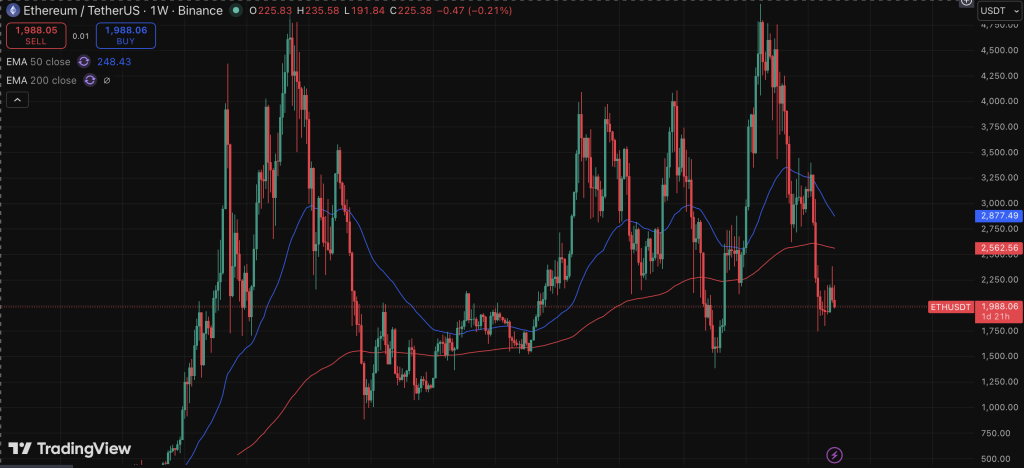
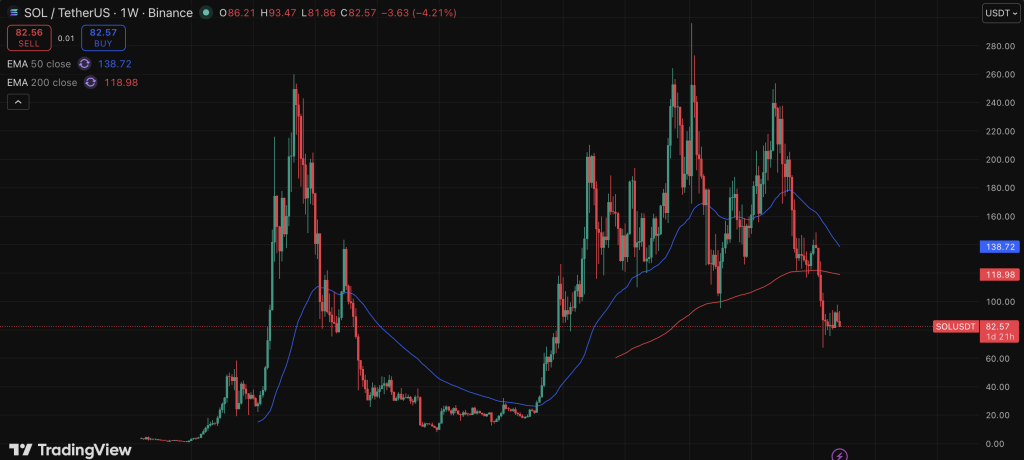
Right now, Ethereum is trading around $2,000, while Solana sits closer to the $80 range. Both are well below their previous highs from 2025, which could make them look like opportunities, depending on how you see it.
For some, that gap suggests room to grow. For others, it’s a reminder that volatility still exists, and nothing moves in a straight line. Still, if someone is looking to build exposure, splitting between the two might make sense, while Ethereum remains the more established option for those leaning cautious.
At the end of the day, the biggest shift here isn’t price, it’s clarity. And in crypto, clarity has a way of changing everything… just not always immediately.