
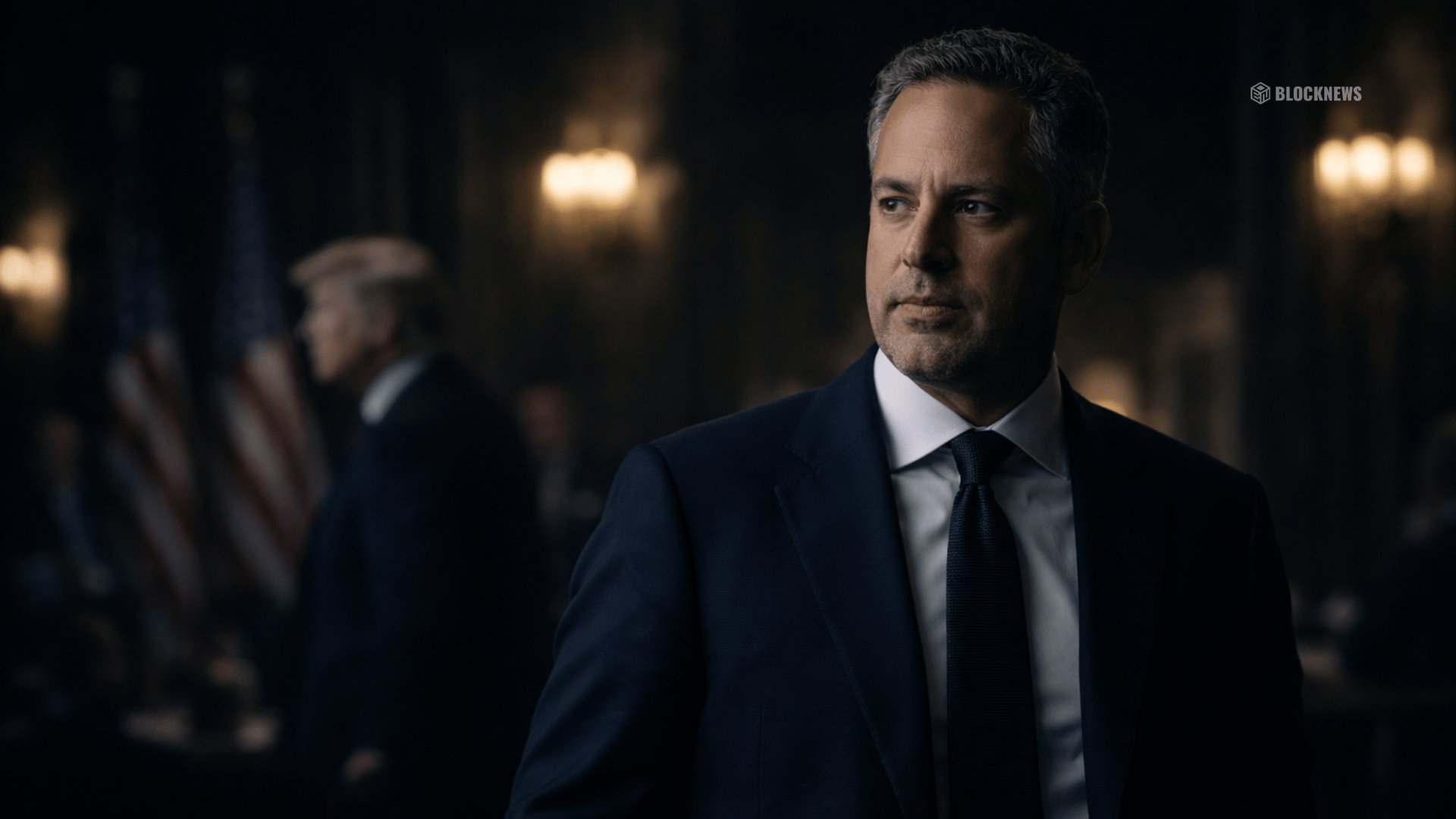
- David Sacks steps down due to term limits, not policy changes
- Moves into advisory role with broader influence over tech strategy
- Signals long-term integration of crypto into U.S. policy direction
David Sacks stepping down as the White House’s AI and crypto czar might sound like a shake-up, but it’s not really that. The move comes from a technical limit, a 130-day cap on special government employees, not a shift in direction or support. If anything, it looks more like a repositioning than a departure.

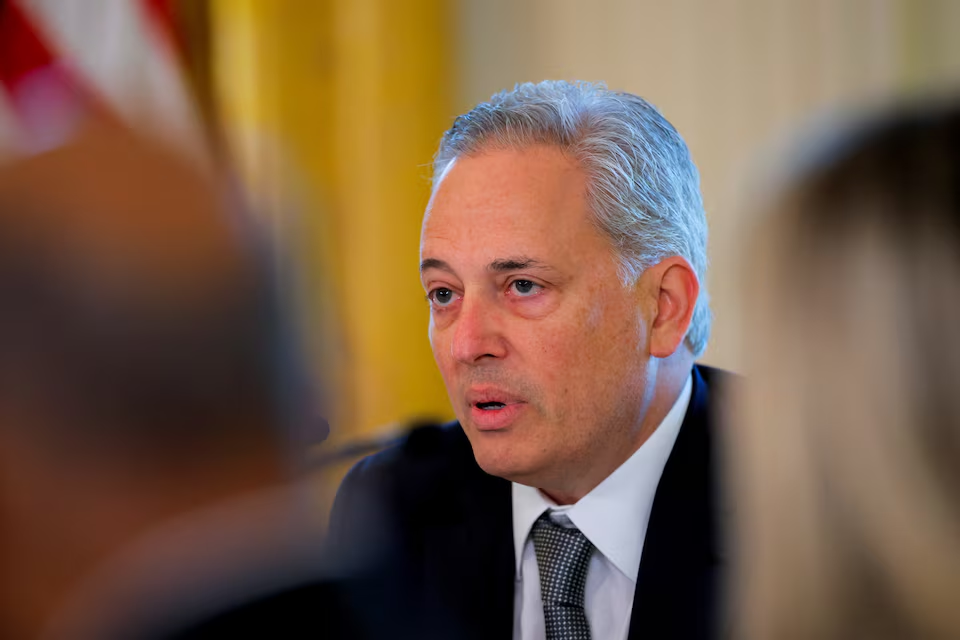
He’s now transitioning into a co-chair role on the President’s Council of Advisors on Science and Technology. That title may feel less headline-grabbing, but the influence attached to it runs deeper. Instead of focusing on day-to-day execution, Sacks now sits closer to the layer where long-term strategy actually gets shaped.
From Policy Operator to Strategic Architect
During his time in the White House, Sacks helped push a more open stance toward emerging technologies. That included easing restrictions around AI chip exports and contributing to a broader pro-innovation narrative. It wasn’t just about crypto or AI individually, it was about positioning the U.S. to stay competitive.
Now, his role shifts. Less hands-on, more directional. Advisory positions tend to shape frameworks rather than enforce them, but those frameworks often last longer than any short-term policy move. It’s a quieter kind of influence, but arguably more durable.
A Broader Scope Beyond Crypto
What makes this transition more interesting is the expanded scope. Sacks is no longer limited to crypto and AI discussions alone. His influence now stretches across wider technology and even geopolitical conversations, something he’s already shown interest in.
He recently weighed in on foreign policy matters, including calls for the U.S. to reconsider its position on the Iran conflict. That kind of crossover thinking fits naturally into an advisory role, where decisions are rarely isolated to one sector.
What This Means for Crypto Policy
For the crypto industry, this doesn’t look like disruption. It looks like continuity, just from a different angle. Sacks isn’t stepping away from influence, he’s moving into a position where crypto becomes part of a larger strategic framework rather than a standalone issue.
That could actually be more meaningful over time. Crypto tends to gain traction when it’s integrated into broader economic and technological plans, not when it’s treated as a niche sector.
Influence Moves Up the Stack
On paper, Sacks stepped down. But in practice, he moved closer to the core of decision-making. In Washington, the most visible roles aren’t always the most powerful, and advisory positions often shape outcomes in ways that aren’t immediately obvious.
This shift suggests the administration is entering a new phase. Less about rapid moves, more about long-term alignment. And in that environment, influence doesn’t disappear, it just becomes harder to see, and maybe more important because of it.