
- This is about distrust in global financial plumbing, not chasing returns
- Bitcoin and gold are being used for different strategic roles
- Smaller nations are moving first while larger ones stay silent
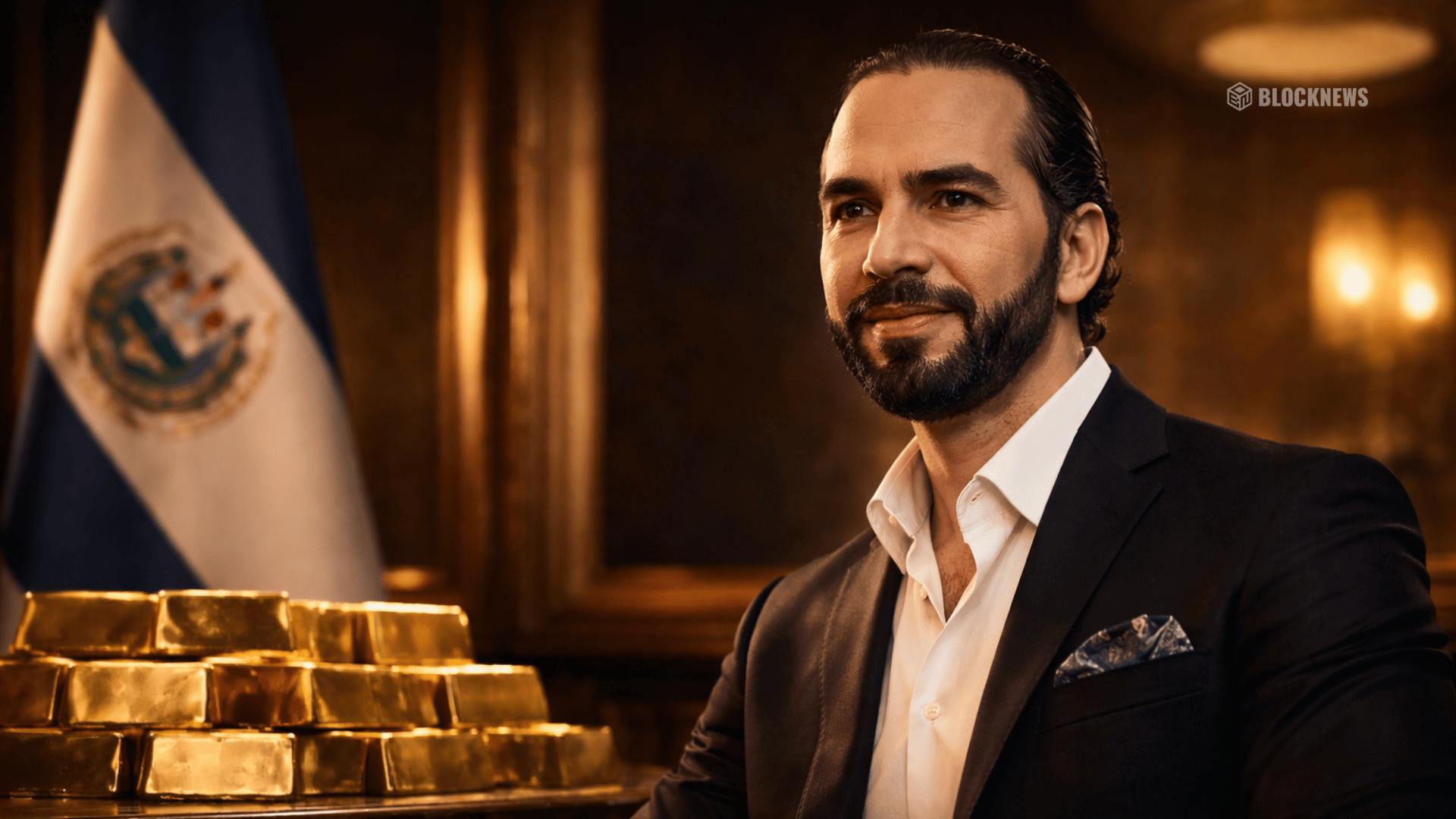
El Salvador’s new gold purchase does not signal any loss of faith in crypto. The country still holds over 7,500 BTC and continues to frame Bitcoin as a long-term strategic experiment rather than a short-term hedge. Gold, in contrast, plays a stabilizing role. It reassures creditors, anchors reserves, and signals seriousness to global markets. These assets are not competing. They are complementary, each solving a different problem.

Central Banks Are Sending a Quiet Message
Buying gold near record prices is not about timing the market. It is about confidence, or the lack of it. El Salvador’s move mirrors a broader trend where central banks and large institutions are prioritizing assets that settle outside complex financial intermediaries. When countries accumulate physical gold despite high prices, it suggests concern about future liquidity, counterparty risk, and the reliability of paper claims.
Why Small Countries Are Moving First
Smaller economies feel stress earlier and act faster. They cannot rely on reserve currency privilege or global influence to cushion shocks. By pairing Bitcoin for innovation and sovereignty with gold for stability, El Salvador is building resilience from both directions. Larger countries may be thinking the same thing, just more quietly.

Conclusion
El Salvador’s gold purchase is not about returns or headlines. It is about resilience. Bitcoin represents ambition and experimentation. Gold represents caution and credibility. Together, they tell a clearer story about how confidence in the global financial system is shifting, and why countries are preparing before stress becomes unavoidable.