
- Markets sold off on Warsh headlines, not confirmed policy actions
- Much of the fear centers on balance sheet rhetoric, not rate policy reality
- Crypto fundamentals matter more than a single Fed nomination
Warnings around Kevin Warsh’s nomination to lead the Federal Reserve triggered immediate anxiety across risk assets, including crypto. Bitcoin and other speculative assets slipped as traders priced in fears of tighter policy, balance sheet reduction, and lower liquidity. The reaction was fast, but it leaned heavily on Warsh’s reputation as a “hawk,” rather than on concrete policy commitments or signals.
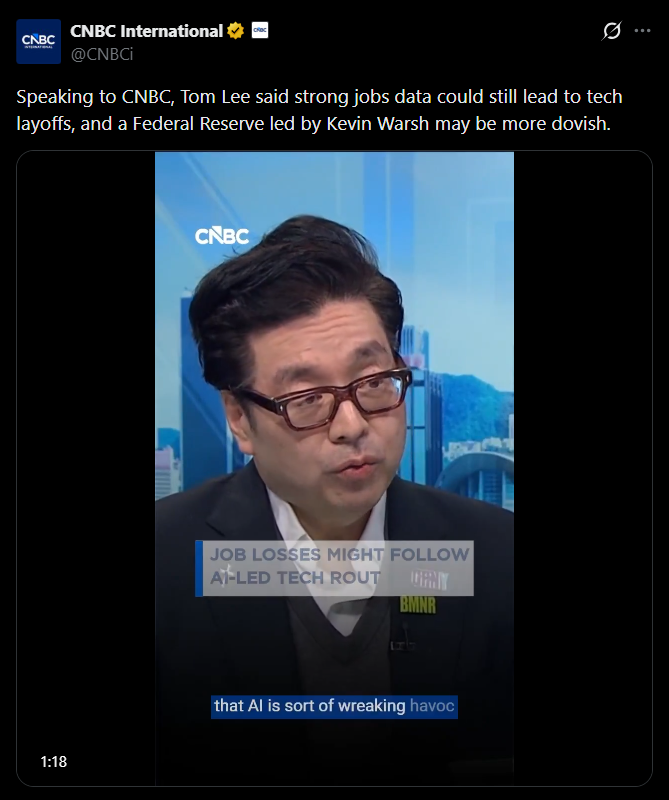
This kind of response is familiar. Markets often move on labels before they move on substance, especially in macro-sensitive environments where positioning is already fragile.
Warsh’s Record Is More Nuanced Than Headlines Suggest
While Warsh has been vocal about fiscal discipline and Fed balance sheet size, his broader record does not point to reflexive tightening. He has previously supported lower short-term rates and has shown flexibility depending on economic conditions. Shrinking the balance sheet does not automatically mean choking liquidity, especially if rate policy remains accommodative or neutral.
The assumption that Warsh equals aggressive tightening skips over this nuance. That gap between perception and reality is where much of the fear is coming from.

Crypto Isn’t Priced on Fed Chairs Alone
Crypto is undeniably sensitive to macro narratives, but this cycle has added new drivers that matter just as much. ETF flows, regulatory clarity, institutional adoption, and onchain activity now play a larger role in price discovery. A single Fed chair nomination, without confirmed policy shifts, is unlikely to override those forces on its own.
If anything, the reaction to Warsh highlights how jumpy positioning has become, rather than signaling a structural threat to crypto.
Conclusion
The selloff tied to Kevin Warsh’s nomination looks more like a headline-driven reaction than a policy-driven one. While caution is understandable, much of the fear appears rooted in assumptions, not actions. For crypto, this moment says more about market psychology than about long-term risk.