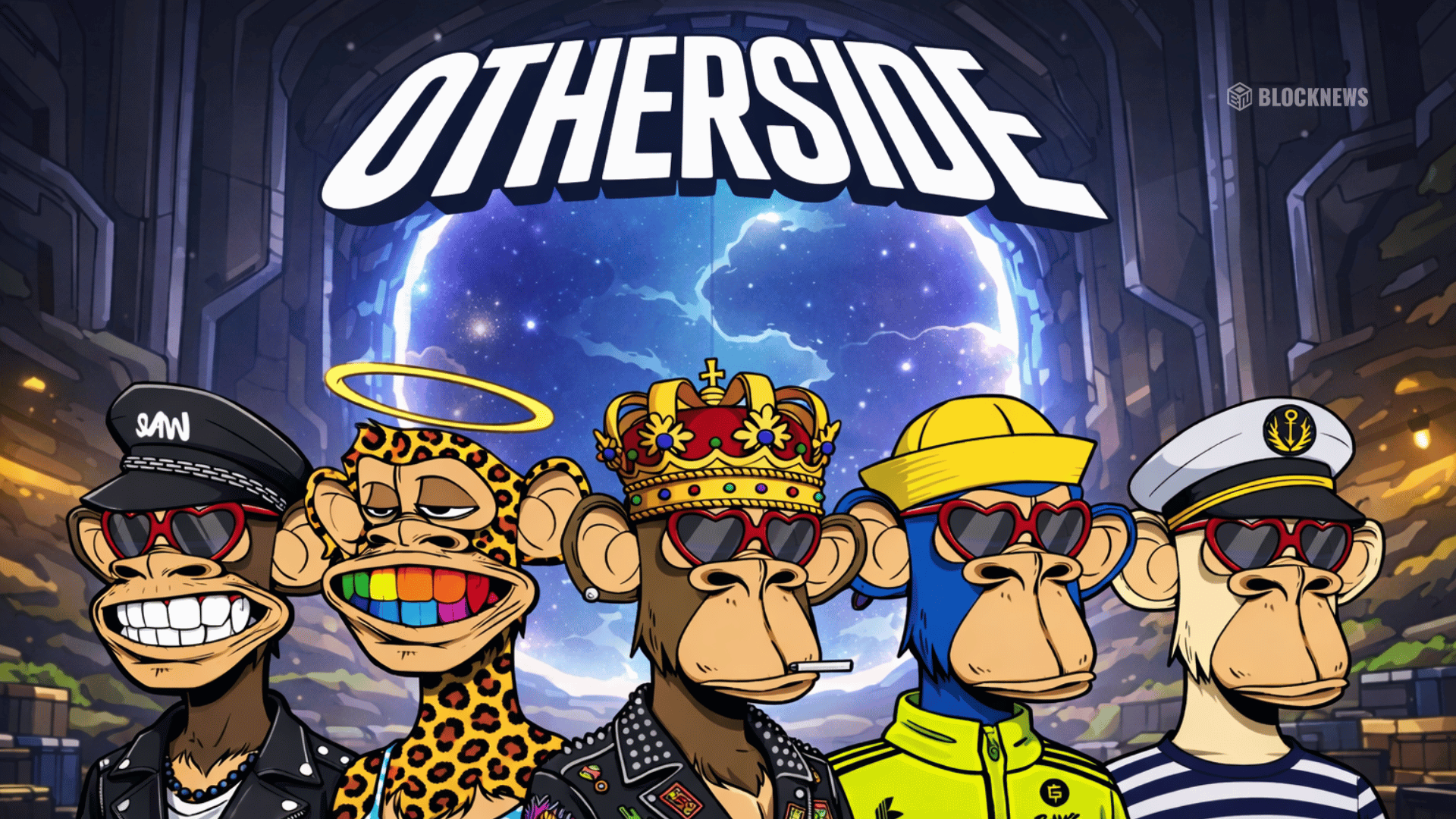
- Yuga Labs launched VibeMaker to let users build inside Otherside
- AI tools and MML lower the barrier for creators to publish experiences
- The goal is a creator-driven metaverse economy similar to Roblox
For years, the metaverse concept mostly lived in glossy demos and speculative roadmaps. Yuga Labs is now trying something far more tangible. With the launch of VibeMaker inside Otherside, creators can begin building interactive objects, environments, and experiences directly within the platform.
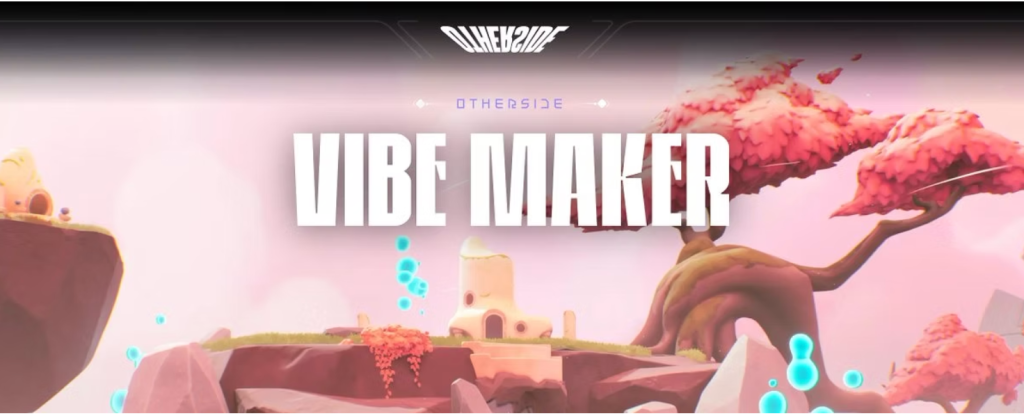
The new system relies on Metaverse Markup Language, or MML, a framework designed to simplify development. Instead of needing deep technical skills or a full Unreal Engine pipeline, builders can experiment using lightweight markup and AI-assisted tools. The shift turns Otherside from a curated showcase into something closer to a creative playground.
Lower Barriers for Creators
One of the biggest hurdles for metaverse projects has always been accessibility. Building immersive environments traditionally required specialized teams and complex development tools. VibeMaker aims to remove much of that friction.
Creators can now design content using simpler instructions and AI prompts, then submit their experiences for placement within the Otherside ecosystem. That opens the door to a far wider pool of contributors, including people who have never built inside a game engine before.
A Metaverse Powered by the Community
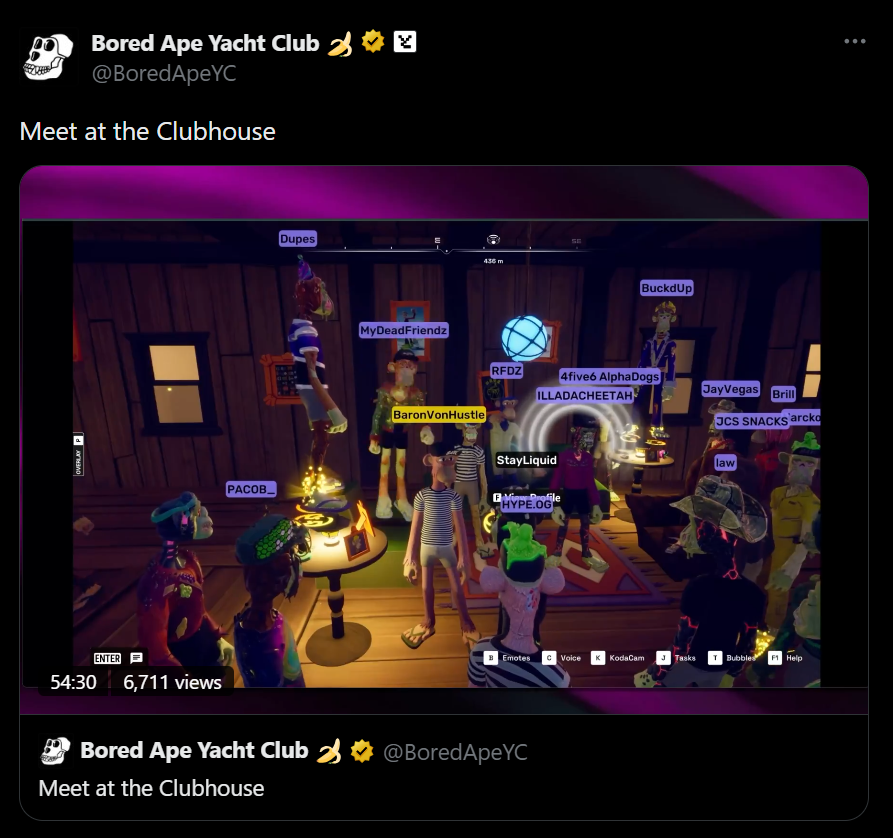
The broader ambition goes beyond adding a few mini-games. Yuga Labs has repeatedly described a future where the platform functions as a fully user-generated ecosystem. Instead of relying on the company itself to produce most of the content, the community becomes the driving force.
If the model succeeds, Otherside could begin to resemble platforms like Roblox. Thousands of independent creators build experiences, attract users, and potentially generate revenue through participation. In that scenario, the metaverse stops behaving like a single product and starts operating as an open platform.
AI Could Accelerate Creation
AI-assisted tools may prove to be the most transformative element of this update. If builders can generate objects, environments, or mechanics through natural language prompts, the barrier to entry drops dramatically.
That kind of accessibility expands the creator pool almost overnight. It also increases the odds that unexpected breakout experiences emerge from the community. Sometimes the most successful digital worlds come from unlikely creators experimenting with simple tools.
The Metaverse’s Next Real Test
The metaverse narrative has lingered for years without fully delivering on its promise. Yuga Labs’ VibeMaker experiment shifts the focus from vision to participation. Give creators tools, remove friction, and let the community decide what the platform becomes.
If enough builders show up and start producing engaging experiences, Otherside could evolve into a genuine creator economy. And that would mark a major step toward turning the metaverse from an idea into a functioning ecosystem.